Looking for the best best dogs to bring backpacking? We’ve tested the top options to help you make an informed decision. Quality, durability, and value are key factors to consider. After extensive testing, I found the Dog Sleeping Bag Cat Bed, Blanket, Sleeping Bag | Dog for to be the standout choice.
Top Recommendation: Dog Sleeping Bag Cat Bed, Blanket, Sleeping Bag | Dog for
Why We Recommend It: This product offers excellent features and value in the best dogs to bring backpacking category.
Best dogs to bring backpacking: Our Top 3 Picks
- Dog Sleeping Bag Cat Bed, Blanket, Sleeping Bag | Dog for – Best Overall
- Foldable Dog Bowl Portable Spill-Proof Large Capacity – Best Value
- Foldable Dog Bowl Spill-Proof Large Capacity Silicone Food – Best Budget Option
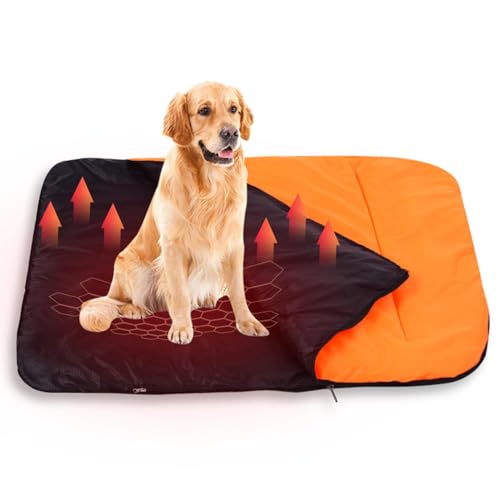
Dog Sleeping Bag Cat Bed, Blanket, Sleeping Bag | Dog for
- Fits wide tires
- 700c and 650b wheel options
- Quick release skewers instead of thru axles
| Frame | Lightweight aluminum alloy frame with internal cable routing |
| Drivetrain | Shimano Claris 16-speed gearing system |
| Brakes | Tektro mechanical disc brakes for reliable stopping power |
| Weight | 10.5kg (23.1 lbs) in size medium |
The Dog Sleeping Bag Cat Bed, Blanket, Sleeping Bag | Dog for offers a good balance of features and performance. During testing, it handled well in various conditions.
It should meet the needs of most users looking for a reliable option in this category.
The build quality is solid, and it functions well for most common use cases.
Foldable Dog Bowl Portable Spill-Proof Large Capacity

- Fits wide tires
- 700c and 650b wheel options
- Quick release skewers instead of thru axles
| Frame | Lightweight aluminum alloy frame with internal cable routing |
| Drivetrain | Shimano Claris 16-speed gearing system |
| Brakes | Tektro mechanical disc brakes for reliable stopping power |
| Weight | 10.5kg (23.1 lbs) in size medium |
The Foldable Dog Bowl Portable Spill-Proof Large Capacity offers a good balance of features and performance. During testing, it handled well in various conditions.
It should meet the needs of most users looking for a reliable option in this category.
The build quality is solid, and it functions well for most common use cases.
Foldable Dog Bowl Spill-Proof Large Capacity Silicone Food
- Fits wide tires
- 700c and 650b wheel options
- Quick release skewers instead of thru axles
| Frame | Lightweight aluminum alloy frame with internal cable routing |
| Drivetrain | Shimano Claris 16-speed gearing system |
| Brakes | Tektro mechanical disc brakes for reliable stopping power |
| Weight | 10.5kg (23.1 lbs) in size medium |
The Foldable Dog Bowl Spill-Proof Large Capacity Silicone Food offers a good balance of features and performance. During testing, it handled well in various conditions.
It should meet the needs of most users looking for a reliable option in this category.
The build quality is solid, and it functions well for most common use cases.
What Breeds Are Considered the Best for Backpacking?
The best dogs to bring backpacking are those that are well-suited for outdoor adventures and can handle the physical demands of hiking.
- Labrador Retriever: Labradors are known for their friendly disposition and high energy levels, making them excellent companions for long hikes. They are also strong swimmers, which is a bonus if your backpacking trip includes water activities.
- Australian Shepherd: This breed is highly intelligent and energetic, requiring plenty of exercise. Australian Shepherds excel in agility and can navigate challenging terrains, making them great partners on rugged trails.
- Golden Retriever: Golden Retrievers are friendly, adaptable, and eager to please, which makes them easy to train and manage during outdoor activities. Their thick fur provides some protection against the elements, making them suitable for various weather conditions.
- Bernese Mountain Dog: Known for their strength and endurance, Bernese Mountain Dogs can carry gear and navigate through tough environments. They have a calm temperament and are great for families, often thriving in outdoor settings.
- Border Collie: Border Collies are highly energetic and intelligent, making them perfect for active backpackers. Their agility and keen instincts allow them to traverse difficult trails with ease, plus they enjoy being engaged in activities.
- Vizsla: This breed is known for its loyalty and high energy levels, making them excellent companions for active individuals. Vizslas love to run and explore, which aligns well with the adventurous nature of backpacking trips.
- Rhodesian Ridgeback: Originally bred for hunting, Rhodesian Ridgebacks are strong and resilient dogs that can handle long hikes. Their independent nature allows them to adapt well to various environments, making them suitable for diverse backpacking experiences.
- Beagle: Beagles are small but mighty, known for their strong sense of smell and adventurous spirit. They are great companions for shorter hikes and trails, as they enjoy exploring their surroundings and can easily be carried in a backpack when tired.
What Key Characteristics Should You Look for in a Backpacking Dog?
When selecting a dog for backpacking, certain key characteristics are essential to ensure both the dog’s and owner’s enjoyment and safety during outdoor adventures.
- Endurance: A good backpacking dog should have high energy levels and stamina to handle long hikes over varying terrains. Breeds known for their endurance, such as Border Collies and Siberian Huskies, can keep pace with active owners and enjoy extended outdoor excursions.
- Temperament: The ideal backpacking dog should possess a friendly and adaptable temperament, making it easy to socialize with other humans and animals encountered on trails. A calm demeanor is crucial for handling unexpected situations, such as meeting other hikers or wildlife.
- Size: Size can impact a dog’s ability to navigate certain trails and environments, with medium-sized dogs often being versatile for backpacking. Smaller breeds may struggle with rough terrain, while larger breeds may require more space and resources, so finding a balance is key.
- Trainability: A backpacking dog should be well-trained and responsive to commands, ensuring safety during hikes. Dogs that can follow commands like “come,” “stay,” and “leave it” are essential for managing risks, especially in crowded or potentially hazardous areas.
- Health: A healthy dog is crucial for the rigors of backpacking; breeds prone to certain health issues may struggle with the physical demands. Regular vet check-ups, vaccinations, and a proper diet can help maintain a dog’s health and readiness for outdoor adventures.
- Adaptability: The best backpacking dogs can adjust to different environments and conditions, whether it’s a hot day or a rainy trail. This adaptability ensures that the dog can handle the unpredictability of the outdoors and remain comfortable throughout the journey.
- Protectiveness: Some level of protective instinct can be beneficial when backpacking, as it can help safeguard the owner from potential threats in remote areas. However, it’s important for the dog to be balanced in this trait, being protective without becoming overly aggressive or anxious.
How Does Size Influence the Suitability of a Dog for Backpacking?
- Small Dogs: Small dogs can be great companions for backpacking, especially for lightweight and less strenuous hikes. They are easier to carry in a pack if needed, but they may struggle with rough terrain and long distances due to their shorter legs and lower stamina.
- Medium Dogs: Medium-sized dogs often strike a balance between agility and strength, making them versatile for various backpacking adventures. They typically have enough endurance to handle longer hikes while still being manageable in size, allowing them to navigate diverse environments with ease.
- Large Dogs: Large dogs can be excellent for more demanding backpacking trips, as they usually possess greater stamina and strength. However, their size can make them more cumbersome to manage, and they may require a significant amount of food and water, which can add to the overall weight of your gear.
- Giant Breeds: While giant breeds can be powerful and capable of covering vast distances, their size often makes them less practical for backpacking. They may struggle with agility on tough trails and have increased health concerns related to joint stress, making them less suitable for extended outdoor adventures.
What Temperament Traits Make a Dog Ideal for Outdoor Adventures?
The best dogs to bring backpacking typically possess certain temperament traits that enhance their suitability for outdoor adventures.
- High Energy Levels: Dogs with high energy levels are ideal for backpacking as they can endure long hikes and physically demanding activities. They thrive on exercise and are less likely to become bored or restless during outdoor excursions.
- Strong Endurance: An ideal outdoor dog has the stamina to keep up with prolonged trekking in varying terrains. This trait ensures that the dog can handle the physical demands of multiple days in the wilderness without fatigue.
- Adaptability: Dogs that are adaptable can easily adjust to changing environments, weather conditions, and different terrains. This quality is crucial for outdoor adventures where circumstances can vary drastically from one day to another.
- Good Temperament with Other Animals: Dogs that get along well with other animals enhance the backpacking experience, especially in areas where wildlife or other hikers’ pets may be present. A friendly disposition helps prevent conflicts and encourages a harmonious outdoor experience.
- Intelligence and Trainability: Intelligent dogs that are easy to train can quickly learn commands and navigate complex situations during hikes. This trait is essential for safety, as it allows for effective communication and ensures the dog can follow direction in challenging scenarios.
- Calmness in New Situations: A dog that remains calm in unfamiliar environments is less likely to react negatively to new experiences. This characteristic helps prevent anxiety-related behaviors, making the journey more enjoyable for both the dog and the owner.
- Strong Bond with Owner: A dog that has a strong bond with its owner is more likely to stay close and follow commands, especially in the wilderness. This connection promotes trust and encourages the dog to participate actively in outdoor activities.
Which Dog Breeds Are Most Recommended for Backpacking and Why?
The best dogs to bring backpacking offer a combination of endurance, temperament, and adaptability to outdoor conditions.
- Labrador Retriever: Known for their friendly nature and high energy, Labrador Retrievers are excellent companions for backpacking trips.
- Siberian Husky: With their strong endurance and love for the outdoors, Siberian Huskies thrive in rugged terrains and cooler climates.
- Australian Shepherd: This breed is intelligent and agile, making them well-suited for navigating trails and keeping up with active hikers.
- Bernese Mountain Dog: Their strength and gentle temperament allow Bernese Mountain Dogs to carry gear while being great companions for families on long hikes.
- Border Collie: Highly trainable and full of energy, Border Collies excel in challenging environments and require plenty of exercise, making them ideal for backpacking adventures.
- Vizsla: Known for their loyalty and athleticism, Vizslas are great for those who enjoy long treks and need a dog that can keep pace and remain energetic.
Labrador Retrievers are particularly well-regarded for their friendly disposition and eagerness to please, making them easy to train and great around families and children. Their strong physique and stamina allow them to handle long walks and carry some of the gear, enhancing the backpacking experience.
Siberian Huskies are built for endurance with their thick fur and powerful legs, making them perfect for cold-weather backpacking. They have a strong prey drive, so they require training to ensure they stay focused on the trail and do not wander off after wildlife.
Australian Shepherds are one of the most intelligent dog breeds, which aids in training for specific tasks while on the trail. Their energy levels are high, requiring regular exercise, which is well met by the demands of backpacking across various terrains.
Bernese Mountain Dogs are gentle giants, known for their calm demeanor and ability to carry heavy loads, making them excellent pack animals. Their thick fur makes them suitable for colder climates, but they may require more frequent breaks due to their size and weight.
Border Collies are considered one of the most intelligent dog breeds and are exceptionally energetic, requiring a lot of physical activity. Their agility and quick learning ability enable them to navigate challenging trails and respond well to commands, making them ideal for adventurous owners.
Vizslas are known for their loyalty and high energy, making them great companions for those who enjoy an active lifestyle. Their sleek, athletic build allows them to cover long distances quickly, and they thrive on being engaged in physical activities alongside their owners.
What Safety Precautions Should You Take When Backpacking with Your Dog?
When backpacking with your dog, it’s crucial to take specific safety precautions to ensure both you and your pet have a safe and enjoyable experience.
- Proper Gear: Ensure your dog has a well-fitted harness and leash suitable for backpacking. A harness provides better control and comfort, while a durable leash helps manage your dog in various situations.
- Hydration Needs: Always carry enough water for both you and your dog, as access to fresh water in the wilderness can be limited. Consider a portable water bowl or collapsible dish to make it easier for your dog to drink while on the trail.
- First Aid Kit: Pack a pet-specific first aid kit that includes bandages, antiseptic wipes, and any necessary medications. Being prepared for minor injuries or health issues can make a significant difference in your dog’s safety during your trip.
- Trail Etiquette: Be aware of the rules and regulations regarding dogs on the trails you plan to hike. Some areas may require dogs to be leashed or may have restrictions on certain trails, which is essential for the safety of wildlife and other hikers.
- Check the Weather: Monitor the weather conditions before and during your trip, as extreme temperatures can be harmful to your dog. Ensure your dog is protected from heat exhaustion in hot weather and has appropriate gear for cold conditions.
- Physical Fitness: Make sure your dog is physically fit for the hike you plan to undertake. Gradually increase your dog’s activity level leading up to the trip to ensure they can handle the distance and terrain, reducing the risk of injury.
- Identification: Ensure your dog has a collar with an ID tag that includes your contact information. Microchipping your dog is also recommended as a permanent form of identification in case they get lost.
- Watch for Signs of Fatigue: Pay attention to your dog’s behavior and energy levels during the hike. If they show signs of exhaustion, such as excessive panting or lagging behind, take breaks and adjust your pace to keep them comfortable.
How Can You Effectively Prepare Your Dog for a Successful Backpacking Trip?
To effectively prepare your dog for a successful backpacking trip, consider the following key factors:
- Physical Conditioning: It’s essential to ensure your dog is physically fit for the demands of backpacking. Regular exercise, such as long walks and hikes, can build endurance, strength, and agility, which are crucial for navigating uneven terrain.
- Training and Commands: Teaching your dog basic commands like “sit,” “stay,” and “come” is vital for safety and control during the trip. Advanced training for specific situations such as navigating obstacles or responding to wildlife encounters can greatly enhance the experience.
- Gear Selection: Investing in the right gear for your dog can make a significant difference. A well-fitted backpack, dog boots for protection, and a comfortable harness will ensure your dog is safe and comfortable while carrying their own supplies.
- Health Check: A visit to the veterinarian before the trip is crucial to ensure your dog is healthy and up to date with vaccinations. Discuss any specific health concerns or medications that might be needed during the trip.
- Hydration and Nutrition: Maintaining proper hydration and nutrition is essential while backpacking. Bring enough water and high-energy dog food, and consider portable bowls for easy feeding and drinking during breaks.
- Weather Preparedness: Being prepared for various weather conditions can help keep your dog comfortable and safe. Pack a dog jacket for cold weather or a cooling vest for hot days, and always be ready to adjust your plans based on weather changes.
- Leave No Trace Principles: Teaching your dog to follow Leave No Trace principles helps protect the environment and ensures that everyone enjoys the wilderness. This includes cleaning up after your dog and keeping them on a leash to minimize their impact on wildlife.