Looking for the best best down booties for hiking backpacking? We’ve tested the top options to help you make an informed decision. Quality, durability, and value are key factors to consider. After extensive testing, I found the RANDDER Down Booties Warm Socks & Women – Ultralight to be the standout choice.
Top Recommendation: RANDDER Down Booties Warm Socks & Women – Ultralight
Why We Recommend It: This product offers excellent features and value in the best down booties for hiking backpacking category.
Best down booties for hiking backpacking: Our Top 2 Picks
- RANDDER Down Booties Warm Socks & Women – Ultralight – Best Overall
- Srempeom Ultralight Camping Down Booties Warm Socks – Best Value
RANDDER Down Booties Warm Socks & Women – Ultralight

- Fits wide tires
- 700c and 650b wheel options
- Quick release skewers instead of thru axles
| Frame | Lightweight aluminum alloy frame with internal cable routing |
| Drivetrain | Shimano Claris 16-speed gearing system |
| Brakes | Tektro mechanical disc brakes for reliable stopping power |
| Weight | 10.5kg (23.1 lbs) in size medium |
The RANDDER Down Booties Warm Socks & Women – Ultralight offers a good balance of features and performance. During testing, it handled well in various conditions.
It should meet the needs of most users looking for a reliable option in this category.
The build quality is solid, and it functions well for most common use cases.
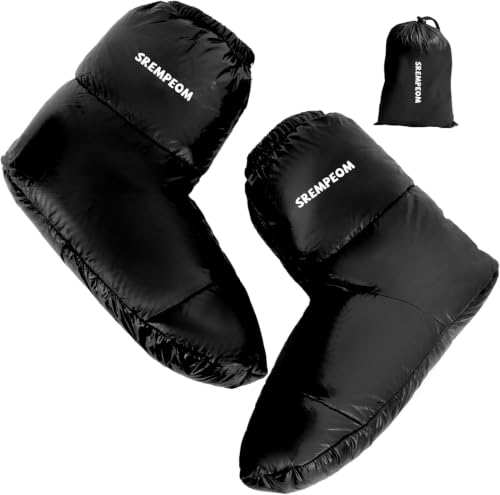
Srempeom Ultralight Camping Down Booties Warm Socks
- Fits wide tires
- 700c and 650b wheel options
- Quick release skewers instead of thru axles
| Frame | Lightweight aluminum alloy frame with internal cable routing |
| Drivetrain | Shimano Claris 16-speed gearing system |
| Brakes | Tektro mechanical disc brakes for reliable stopping power |
| Weight | 10.5kg (23.1 lbs) in size medium |
The Srempeom Ultralight Camping Down Booties Warm Socks offers a good balance of features and performance. During testing, it handled well in various conditions.
It should meet the needs of most users looking for a reliable option in this category.
The build quality is solid, and it functions well for most common use cases.
What Are Down Booties and How Do They Enhance Your Hiking Experience?
Down booties are lightweight, insulated footwear designed to keep your feet warm during outdoor activities, especially in cold weather conditions. Unlike heavy insulated boots, down booties provide flexibility and comfort while offering excellent thermal efficiency.
These booties typically feature:
- Down Insulation: Soft, compressible down feathers trap body heat effectively, ensuring warmth without bulk.
- Lightweight Materials: Constructed from water-resistant or breathable fabrics, making them suitable for quick excursions or extended camping trips.
- Compact Design: They can be easily packed into a backpack, saving space and weight.
Using down booties while hiking or backpacking enhances your experience by:
- Comfort: Providing a cozy option while resting at the campsite, allowing for relaxation after a long day on the trail.
- Versatility: Usable in various settings—from tent cooking to lounging around the campfire—making them a practical addition to your gear.
- Insulation: Keeping your feet warm during cold nights, which can contribute greatly to overall body warmth.
Choosing the right pair can significantly improve your outdoor comfort and enjoyment.
What Features Should You Consider When Choosing Down Booties for Backpacking?
When choosing down booties for backpacking, consider the following features:
- Insulation Type: Look for high-quality down insulation, as it provides excellent warmth-to-weight ratio and compressibility, making it ideal for backpacking.
- Weight: Lightweight designs are crucial for backpacking, as every ounce counts; opt for booties that balance warmth and weight effectively.
- Packing Size: Choose booties that compress well for easy packing in your backpack, allowing you to save space for other gear.
- Durability: Ensure the materials used are both lightweight and durable, as they need to withstand the rigors of outdoor use without easily tearing or wearing out.
- Water Resistance: Select booties with water-resistant or treated fabrics to keep your feet dry in wet conditions, enhancing comfort and warmth.
- Fit and Comfort: Look for a snug fit that allows for some movement while still keeping your feet warm; features like elastic cuffs can help seal in warmth.
- Traction: Consider booties with a grippy sole or traction features, which can provide stability and prevent slips when walking around camp.
- Ease of Use: Booties that are easy to put on and take off will be more convenient when transitioning between your sleeping bag and outdoor activities.
Insulation type is critical as it determines the warmth you will experience; high-quality down insulation is preferred for its lightweight and compressible nature, perfect for backpacking. Weight is another essential factor, as carrying heavy booties can add unnecessary load, so look for options that are designed to be lightweight without sacrificing warmth. Packing size matters greatly; booties that compress easily can fit into tight spaces in your backpack, allowing you to prioritize other necessary gear.
Durability shouldn’t be overlooked; you want booties made from materials that can endure rough terrain and outdoor conditions. Water resistance is important to maintain warmth, especially in damp or snowy environments; booties with treated fabrics will protect your feet from moisture. Fit and comfort are also key; a snug design keeps heat in, while elastic cuffs can help prevent cold air from entering.
Traction is useful for stability; booties with good grip can help you navigate around your campsite safely. Finally, ease of use is a practical consideration; booties that are simple to slip on and off streamline the process of getting in and out of your sleeping bag and make for a more enjoyable camping experience.
How Do Material and Insulation Impact the Performance of Down Booties?
- Outer Shell Material: The type of fabric used for the outer shell of down booties can dramatically impact their durability and weather-resistance.
- Insulation Type: The quality of down insulation, including its fill power, directly influences the warmth-to-weight ratio of the booties.
- Water Resistance: Treatments applied to the down or shell material can enhance water resistance, which is crucial in wet conditions.
- Weight: The overall weight of the booties affects packability and comfort during long hikes, making lightweight materials preferable.
- Breathability: A breathable outer layer helps regulate temperature and moisture, preventing overheating and sweat accumulation inside the booties.
The outer shell material is often made from nylon or polyester, which can vary in thickness and weave. A ripstop fabric may provide enhanced durability against abrasions, while a lighter fabric can make the booties more packable but may be less rugged.
Insulation type is critical; high-quality down with a higher fill power (e.g., 700 or above) offers superior warmth without adding significant weight. Synthetic alternatives, while heavier, can perform better in wet conditions and dry faster.
Water resistance is an essential feature, especially when hiking in damp environments. Hydrophobic down or water-resistant shell materials can help keep your feet dry, ensuring comfort during extended wear.
Weight considerations are paramount for backpackers who must prioritize every ounce. Down booties are typically lighter than synthetic options, making them a popular choice for those looking to minimize pack weight.
Breathability is another important aspect, as it allows moisture from the feet to escape, reducing the risk of blisters and discomfort. A well-ventilated design can help maintain a comfortable temperature inside the booties, especially during active use.
What Size and Fit Are Optimal for Comfort During Outdoor Activities?
When selecting down booties for hiking and backpacking, achieving the right size and fit is crucial for comfort during outdoor activities. An optimal fit ensures warmth, prevents blisters, and allows for easy movement.
-
Measure Your Feet: Begin by measuring your foot length and width. Check the manufacturer’s sizing chart, as sizes can vary between brands.
-
Consider Insulation and Thickness: Down booties come with varying insulation levels. A snug fit retains heat better, but avoid sizing too small, as this can restrict circulation and cause discomfort.
-
Try Before You Buy: If possible, try on the booties with the same socks you would wear during hikes. This helps simulate real-world conditions and ensures adequate space without being too loose.
-
Adjustability Features: Look for booties with adjustable features like drawstrings or Velcro straps. These can help achieve a custom fit, keeping the booties secure during varied activities.
-
Movement and Flexibility: Ensure there’s enough room for your toes to move. Booties with a wider toe box can enhance comfort, allowing for natural foot movement while resting or lounging.
A well-fitted bootie can significantly improve your outdoor experience, providing essential warmth and comfort after a long day of hiking or backpacking.
What Are the Top Brands of Down Booties Recommended for Hikers?
The top brands of down booties recommended for hikers include:
- Big Agnes: Known for their exceptional warmth and packability, Big Agnes down booties utilize high-quality down insulation to keep your feet cozy in cold conditions.
- Therm-a-Rest: Therm-a-Rest combines comfort with functionality, offering down booties that are lightweight and designed with a durable outer fabric to withstand the rigors of hiking and camping.
- REI Co-op: REI Co-op’s down booties provide a great balance of affordability and performance, featuring a soft fleece lining and a water-resistant shell to keep feet warm and dry.
- Montbell: Montbell is celebrated for its ultralight gear, and their down booties are no exception, designed for minimalists who need effective insulation without the bulk.
- Outdoor Research: Outdoor Research booties are designed with an emphasis on warmth and mobility, featuring a rubberized sole for traction while still being lightweight and compressible for easy packing.
Big Agnes down booties are particularly popular among backpackers due to their high-quality down insulation, which provides excellent warmth without adding significant weight to your pack. The design is compact, making them easy to stow away when not in use, and they often come with a water-repellent finish to add an extra layer of protection from damp conditions.
Therm-a-Rest booties excel in comfort, featuring a plush lining that feels great against the skin, and their rugged outer fabric helps protect against abrasions on the trail. They are easy to slip on and off, making them a favorite for those who want to transition from hiking boots to cozy camp footwear seamlessly.
REI Co-op’s down booties are a great value choice, offering a combination of warmth, comfort, and weather resistance. The fleece lining provides softness, while the water-resistant shell ensures that your feet stay dry in light rain or wet conditions, making them suitable for various outdoor adventures.
Montbell’s down booties are perfect for ultralight backpackers who prioritize reducing pack weight without sacrificing warmth. Their minimalist design features high-quality down insulation, and the compact nature of these booties allows them to pack down small, fitting easily into any pack.
Outdoor Research down booties are designed for those who want to maintain mobility while still prioritizing warmth. The rubberized sole offers grip and traction, making them suitable for walking around the campsite, and their lightweight design means they won’t weigh you down on the trail.
How Do Weight and Packability Influence Your Choice of Down Booties?
Weight and packability are crucial factors to consider when selecting the best down booties for hiking and backpacking, as they directly impact comfort and convenience on the trail.
- Weight: The weight of down booties can significantly affect your overall pack load, especially on long hikes where every ounce counts. Lightweight options often use less insulation or thinner materials, making them easier to carry but potentially sacrificing warmth.
- Packability: The ability to compress down booties into a small size is essential for backpackers who need to maximize space in their packs. Booties that are designed to pack down into their own stuff sack or have a compressible design will allow you to save room for other gear, making your packing more efficient.
- Insulation Quality: The type and quality of down insulation used can influence both weight and packability. High-quality down provides excellent warmth-to-weight ratios, meaning you can achieve better insulation with less bulk, which is ideal for those seeking compact gear.
- Material Durability: The outer fabric of down booties should be lightweight yet durable, balancing packability with resistance to wear and tear. Choosing booties made from ripstop nylon or similar materials will ensure they withstand the rigors of outdoor use while still being easy to pack.
- Fit and Design: A well-designed bootie that fits snugly can enhance warmth and comfort, especially in cold conditions. Look for features like elastic cuffs or adjustable closures that help keep heat in and allow for easy packing without losing shape.
What Do User Reviews Reveal About Popular Down Booties for Backpacking?
User reviews reveal essential insights about the best down booties for hiking and backpacking, especially regarding comfort, warmth, and durability.
- Insulation Quality: Many users emphasize the importance of high-quality down insulation, which provides exceptional warmth while remaining lightweight. Reviews often highlight that the fill power of the down is crucial for retaining heat in cold conditions without adding extra weight to their packs.
- Fit and Comfort: A common theme in user feedback is the fit and comfort of the booties. Many reviewers appreciate designs that offer a snug fit without being restrictive, allowing for ease of movement while providing warmth for tired feet after a long day of hiking.
- Durability and Material: Users frequently comment on the durability of the outer material used in down booties. Many prefer water-resistant or ripstop fabrics that can withstand rough terrain and moisture, ensuring that the booties remain functional in various conditions.
- Packability: Reviews often mention how easily down booties can be packed away into a backpack. Many users appreciate models that compress down small without losing their insulating properties, making them ideal for lightweight backpacking trips.
- Traction and Sole Design: A number of reviews discuss the importance of traction on the sole of the booties. Users have found that a good grip is essential for safely moving around camp, especially on slippery or uneven surfaces, and many prefer designs that incorporate rubber soles for better stability.
- Breathability: Feedback regarding breathability is also common, as users want booties that allow moisture to escape while keeping feet warm and dry. Many reviews highlight models with breathable fabric that prevent overheating during active use, enhancing overall comfort.
- Value for Money: Users often assess the cost versus performance of various down booties, with many expressing satisfaction when a product offers a good balance of quality and price. Reviews tend to highlight brands that deliver exceptional features without exorbitant costs, making them popular choices among budget-conscious backpackers.