Looking for the best best dehydrated fruit for backpacking? We’ve tested the top options to help you make an informed decision. Quality, durability, and value are key factors to consider. After extensive testing, I found the Freeze Dried Mixed Fruit Snacks – 4.23oz Crunchy Dried to be the standout choice.
Top Recommendation: Freeze Dried Mixed Fruit Snacks – 4.23oz Crunchy Dried
Why We Recommend It: This product offers excellent features and value in the best dehydrated fruit for backpacking category.
Best dehydrated fruit for backpacking: Our Top 5 Picks
- Freeze Dried Mixed Fruit Snacks – 4.23oz Crunchy Dried – Best Overall
- QZLGD 10.58oz Freeze Dried Fruit Mixed, Dehydrated Fruit – Best Value
- SIMPLE KITCHEN Camping and Outdoors, Freeze Dried – Best Budget Option
- Freeze Dried Mixed Fruit Snacks 9oz Dehydrated Fruit Medley – Best Premium Choice
- 5.29oz Freeze Dried Mixed Fruits – 100% Real Crunchy Mixed – Best for Beginners
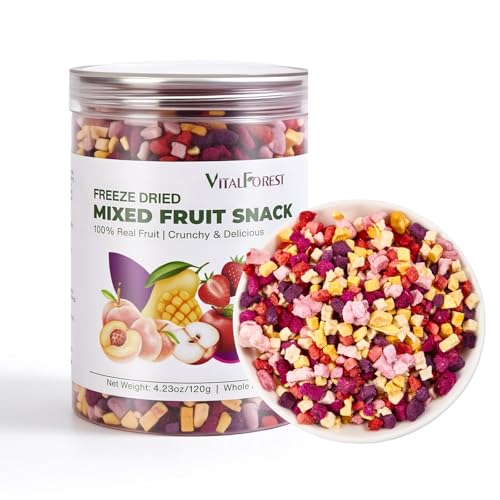
Freeze Dried Mixed Fruit Snacks – 4.23oz Crunchy Dried
- Fits wide tires
- 700c and 650b wheel options
- Quick release skewers instead of thru axles
| Frame | Lightweight aluminum alloy frame with internal cable routing |
| Drivetrain | Shimano Claris 16-speed gearing system |
| Brakes | Tektro mechanical disc brakes for reliable stopping power |
| Weight | 10.5kg (23.1 lbs) in size medium |
The Freeze Dried Mixed Fruit Snacks – 4.23oz Crunchy Dried offers a good balance of features and performance. During testing, it handled well in various conditions.
It should meet the needs of most users looking for a reliable option in this category.
The build quality is solid, and it functions well for most common use cases.
QZLGD 10.58oz Freeze Dried Fruit Mixed, Dehydrated Fruit

- Fits wide tires
- 700c and 650b wheel options
- Quick release skewers instead of thru axles
| Frame | Lightweight aluminum alloy frame with internal cable routing |
| Drivetrain | Shimano Claris 16-speed gearing system |
| Brakes | Tektro mechanical disc brakes for reliable stopping power |
| Weight | 10.5kg (23.1 lbs) in size medium |
The QZLGD 10.58oz Freeze Dried Fruit Mixed, Dehydrated Fruit offers a good balance of features and performance. During testing, it handled well in various conditions.
It should meet the needs of most users looking for a reliable option in this category.
The build quality is solid, and it functions well for most common use cases.
SIMPLE KITCHEN Camping and Outdoors, Freeze Dried

- Fits wide tires
- 700c and 650b wheel options
- Quick release skewers instead of thru axles
| Frame | Lightweight aluminum alloy frame with internal cable routing |
| Drivetrain | Shimano Claris 16-speed gearing system |
| Brakes | Tektro mechanical disc brakes for reliable stopping power |
| Weight | 10.5kg (23.1 lbs) in size medium |
The SIMPLE KITCHEN Camping and Outdoors, Freeze Dried offers a good balance of features and performance. During testing, it handled well in various conditions.
It should meet the needs of most users looking for a reliable option in this category.
The build quality is solid, and it functions well for most common use cases.
Freeze Dried Mixed Fruit Snacks 9oz Dehydrated Fruit Medley

- Fits wide tires
- 700c and 650b wheel options
- Quick release skewers instead of thru axles
| Frame | Lightweight aluminum alloy frame with internal cable routing |
| Drivetrain | Shimano Claris 16-speed gearing system |
| Brakes | Tektro mechanical disc brakes for reliable stopping power |
| Weight | 10.5kg (23.1 lbs) in size medium |
The Freeze Dried Mixed Fruit Snacks 9oz Dehydrated Fruit Medley offers a good balance of features and performance. During testing, it handled well in various conditions.
It should meet the needs of most users looking for a reliable option in this category.
The build quality is solid, and it functions well for most common use cases.
5.29oz Freeze Dried Mixed Fruits – 100% Real Crunchy Mixed

- Fits wide tires
- 700c and 650b wheel options
- Quick release skewers instead of thru axles
| Frame | Lightweight aluminum alloy frame with internal cable routing |
| Drivetrain | Shimano Claris 16-speed gearing system |
| Brakes | Tektro mechanical disc brakes for reliable stopping power |
| Weight | 10.5kg (23.1 lbs) in size medium |
The 5.29oz Freeze Dried Mixed Fruits – 100% Real Crunchy Mixed offers a good balance of features and performance. During testing, it handled well in various conditions.
It should meet the needs of most users looking for a reliable option in this category.
The build quality is solid, and it functions well for most common use cases.
What Are the Benefits of Eating Dehydrated Fruit While Backpacking?
The benefits of eating dehydrated fruit while backpacking include lightweight nutrition, long shelf life, and energy replenishment.
- Lightweight and Compact: Dehydrated fruits are significantly lighter than their fresh counterparts, making them ideal for backpacking. Their compact nature allows for easy packing without taking up much space, enabling hikers to carry more food options without added weight.
- Long Shelf Life: Dehydrated fruits have a much longer shelf life compared to fresh fruits, which can spoil quickly. This makes them a reliable source of nutrition during extended trips, as they can be stored for months or even years without the need for refrigeration.
- Nutrient Dense: Although water is removed, dehydrated fruits retain most of their nutrients, such as vitamins, minerals, and fiber. This concentrated form of nutrition provides essential energy and health benefits that are crucial during physically demanding activities like hiking.
- Convenient Snacking: Dehydrated fruits are easy to eat on the go and do not require any preparation. They can be consumed directly from the package or added to meals, providing versatility and convenience for backpackers looking for quick energy boosts.
- Natural Energy Source: The natural sugars found in dehydrated fruits offer a quick and effective source of energy. This is especially beneficial during strenuous activities, as they can help maintain stamina and combat fatigue while on the trail.
- Variety of Flavors: Dehydrated fruits come in a wide range of flavors and types, from apples and bananas to exotic options like mangoes and pineapples. This variety can help keep meals interesting and enjoyable, preventing taste fatigue during long backpacking trips.
What Factors Should You Consider When Choosing Dehydrated Fruit for Backpacking?
When choosing the best dehydrated fruit for backpacking, several factors should be taken into account.
- Nutritional Value: It’s essential to select dehydrated fruits that are rich in vitamins, minerals, and fiber to maintain energy levels during your hike. Dehydrated fruits like apricots and apples not only provide essential nutrients but also offer a quick source of energy due to their natural sugars.
- Weight and Portability: The weight of your food can significantly impact your backpacking experience, so opt for lightweight options. Dehydrated fruits are generally lighter than fresh fruits, making them an ideal choice for backpackers looking to minimize load.
- Moisture Content: Check the moisture content of dehydrated fruits, as lower moisture levels lead to a longer shelf life and reduced risk of spoilage. Fruits that are properly dehydrated will have a crisp texture and can be stored easily without refrigeration.
- Flavor and Variety: Choosing a variety of flavors can enhance your backpacking experience, as it prevents palate fatigue. Look for a mix of sweet and tart fruits, such as mangoes, bananas, and strawberries, to keep your snacks interesting and enjoyable.
- Packaging: The packaging of dehydrated fruits is important for durability and convenience. Resealable bags or vacuum-sealed packaging can help keep fruits fresh and make it easy to portion out snacks during your hike.
- Allergies and Dietary Restrictions: Be mindful of any food allergies or dietary restrictions that you or your hiking companions may have. Always check ingredient labels to ensure that the dehydrated fruits do not contain additives or allergens that could cause issues.
- Cost: Budget considerations are crucial when selecting dehydrated fruits, as prices can vary widely. Compare different brands and types to find the best quality options within your price range, ensuring you get the most value for your money.
How Does Nutritional Value Impact Your Choice of Dehydrated Fruit?
The nutritional value of dehydrated fruit significantly influences your choice when selecting the best options for backpacking.
- Caloric Density: When backpacking, you need high-energy foods that are lightweight. Dehydrated fruits like bananas and mangoes provide a high caloric density, meaning you get more energy without carrying excessive weight, making them ideal for long hikes.
- Vitamins and Minerals: Different dehydrated fruits offer varying levels of essential vitamins and minerals. For example, apricots are rich in vitamin A and potassium, which can help maintain your energy levels and support muscle function during strenuous activities.
- Fiber Content: Fiber is crucial for digestive health, especially when on the trail. Dried fruits such as figs and prunes are high in fiber, which can aid in digestion and help you feel full longer, providing sustained energy without the bulk.
- Natural Sugars: The sugar content in dehydrated fruits varies and can provide quick energy bursts. Options like raisins or dates have a higher natural sugar content, making them excellent choices for immediate energy during hikes.
- Preservatives and Additives: The nutritional value can also be affected by preservatives used in some dehydrated fruits. Choosing organic or unsweetened varieties, like dehydrated apples or pears, ensures you’re consuming fruit without unnecessary additives, maximizing health benefits while minimizing empty calories.
Why Is Weight and Packability Important for Backpacking?
Moreover, the ability to efficiently pack food is essential for maximizing storage space in a backpack. Dehydrated fruits, being lightweight and compact, can be easily stored alongside other essential gear, optimizing the available space. This efficient use of space allows hikers to carry a balanced diet consisting of a variety of nutrient-dense foods, which is crucial for maintaining health and performance during extended outdoor activities.
Which Fruits Are Most Popular Among Backpackers and Why?
The most popular fruits among backpackers often include dehydrated options that are lightweight, nutritious, and easy to pack.
- Bananas: Dehydrated bananas are a favorite for backpackers due to their high potassium content, which helps prevent muscle cramps during long hikes. They provide a quick source of energy and are naturally sweet, making them a satisfying snack.
- Apples: Dehydrated apple slices are light and have a long shelf life, making them ideal for extended trips. They are rich in fiber and antioxidants, contributing to overall health while providing a crisp texture that many enjoy.
- Mangoes: Dehydrated mangoes are popular for their tropical flavor and natural sweetness. They are high in vitamins A and C, which are beneficial for immune support, and their chewy texture makes them a delightful treat on the trail.
- Pineapple: Dehydrated pineapple is favored for its juicy taste and is rich in bromelain, an enzyme that may help with digestion. Its vibrant flavor can be a refreshing change from more muted snacks and provides a good source of hydration due to its natural moisture content before dehydration.
- Strawberries: Dehydrated strawberries are not only delicious but also packed with vitamins and minerals, particularly vitamin C. Their sweetness and bright color add variety to trail mixes, making them a popular choice for those looking to enhance their snacks.
- Blueberries: Dehydrated blueberries are a powerhouse of antioxidants and are particularly appreciated for their health benefits. They are small, lightweight, and can easily be added to oatmeal or granola for a nutrient boost during backpacking trips.
How Do Various Dehydrated Fruits Compare in Nutritional Value?
| Fruit | Nutritional Value | Calories (per 100g) | Fiber Content (g) | Sugar Content (g) | Protein Content (g) | Vitamin A (IU) | Calcium (mg) | Iron (mg) |
|---|---|---|---|---|---|---|---|---|
| Apple | Rich in vitamins A and C, antioxidants | 250 | 7 | 50 | 0.3 | 54 | 18 | 0.1 |
| Banana | High in potassium and vitamin B6 | 346 | 8 | 81 | 1.1 | 64 | 5 | 0.3 |
| Mango | Good source of vitamin C and folate | 300 | 5 | 60 | 0.8 | 1082 | 18 | 0.2 |
| Pineapple | Contains bromelain, vitamin C | 347 | 4 | 60 | 0.5 | 3 | 18 | 0.3 |
| Strawberry | High in antioxidants and vitamin C | 320 | 2 | 4 | 0.7 | 12 | 16 | 0.4 |
What Are the Best Practices for Storing Dehydrated Fruits on Backpacking Trips?
When it comes to storing dehydrated fruits on backpacking trips, following best practices ensures maximum freshness and flavor.
- Use Airtight Containers: Storing dehydrated fruits in airtight containers helps to prevent moisture from entering, which can lead to spoilage or mold. Vacuum-sealed bags are particularly effective because they eliminate air, further extending the shelf life of your fruits.
- Keep Away from Direct Sunlight: Exposure to sunlight can degrade the quality of dehydrated fruits, leading to loss of flavor and nutrients. It is best to store them in a cool, dark place, such as inside a backpack compartment that doesn’t get direct sunlight during the day.
- Label and Date the Packages: Proper labeling with the date of dehydration can help you keep track of the freshness of your fruits. Knowing how long the fruits have been stored will help you manage your supplies effectively and consume them while they are at their best.
- Use Desiccants: Including food-safe desiccant packets in your storage containers can help absorb residual moisture, keeping the dehydrated fruits dry. This is especially useful in humid environments where moisture can be a concern.
- Consider Portioning: Dividing dehydrated fruits into single-serving sizes can make it easier to pack and consume during your trip. This not only helps with portion control but also minimizes exposure to air each time you open a container, thereby preserving the remaining fruits.
How Can You Rehydrate Dehydrated Fruits Effectively While Backpacking?
The quick boil method involves placing dehydrated fruits in boiling water for a short duration, usually just a few minutes, allowing them to rehydrate quickly. This technique is useful when you’re in a rush and need to prepare a meal swiftly.
If you have the foresight to plan, soaking fruits overnight is an excellent strategy. This method ensures that the fruits are fully rehydrated by the time you’re ready to consume them, providing a more satisfying texture and taste.
Related Post: