Looking for the best best dehydraded food bags for backpacking? We’ve tested the top options to help you make an informed decision. Quality, durability, and value are key factors to consider. After extensive testing, I found the Wallaby MRE Meal 15 Mil Gusset Mylar Bags, Oxygen Absorbers to be the standout choice.
Top Recommendation: Wallaby MRE Meal 15 Mil Gusset Mylar Bags, Oxygen Absorbers
Why We Recommend It: This product offers excellent features and value in the best dehydraded food bags for backpacking category.
Best dehydraded food bags for backpacking: Our Top 4 Picks
- Wallaby MRE Meal 15 Mil Gusset Mylar Bags, Oxygen Absorbers – Best Overall
- 30 Mylar Bags for Food Storage 1 Gallon – Extra Thick 15 – Best Value
- 50 Pack 1 Gallon Mylar Bags for Food Storage Oxygen – Best Budget Option
- Wallaby 1-Gallon Open Top 10 Mil Mylar Bags, Oxygen – Best Premium Choice
Wallaby MRE Meal 15 Mil Gusset Mylar Bags, Oxygen Absorbers

- Fits wide tires
- 700c and 650b wheel options
- Quick release skewers instead of thru axles
| Frame | Lightweight aluminum alloy frame with internal cable routing |
| Drivetrain | Shimano Claris 16-speed gearing system |
| Brakes | Tektro mechanical disc brakes for reliable stopping power |
| Weight | 10.5kg (23.1 lbs) in size medium |
The Wallaby MRE Meal 15 Mil Gusset Mylar Bags, Oxygen Absorbers offers a good balance of features and performance. During testing, it handled well in various conditions.
It should meet the needs of most users looking for a reliable option in this category.
The build quality is solid, and it functions well for most common use cases.
30 Mylar Bags for Food Storage 1 Gallon – Extra Thick 15

- Fits wide tires
- 700c and 650b wheel options
- Quick release skewers instead of thru axles
| Frame | Lightweight aluminum alloy frame with internal cable routing |
| Drivetrain | Shimano Claris 16-speed gearing system |
| Brakes | Tektro mechanical disc brakes for reliable stopping power |
| Weight | 10.5kg (23.1 lbs) in size medium |
The 30 Mylar Bags for Food Storage 1 Gallon – Extra Thick 15 offers a good balance of features and performance. During testing, it handled well in various conditions.
It should meet the needs of most users looking for a reliable option in this category.
The build quality is solid, and it functions well for most common use cases.
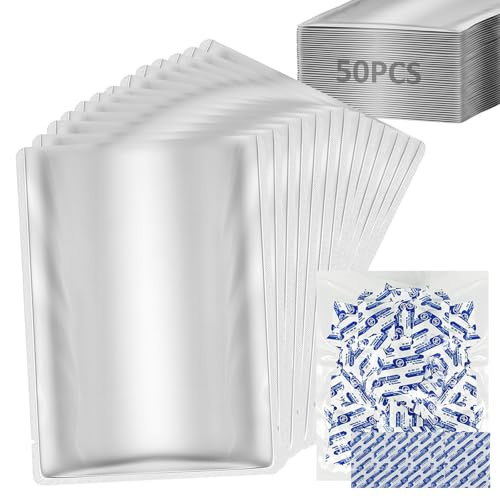
50 Pack 1 Gallon Mylar Bags for Food Storage Oxygen
- Fits wide tires
- 700c and 650b wheel options
- Quick release skewers instead of thru axles
| Frame | Lightweight aluminum alloy frame with internal cable routing |
| Drivetrain | Shimano Claris 16-speed gearing system |
| Brakes | Tektro mechanical disc brakes for reliable stopping power |
| Weight | 10.5kg (23.1 lbs) in size medium |
The 50 Pack 1 Gallon Mylar Bags for Food Storage Oxygen offers a good balance of features and performance. During testing, it handled well in various conditions.
It should meet the needs of most users looking for a reliable option in this category.
The build quality is solid, and it functions well for most common use cases.
Wallaby 1-Gallon Open Top 10 Mil Mylar Bags, Oxygen

- Fits wide tires
- 700c and 650b wheel options
- Quick release skewers instead of thru axles
| Frame | Lightweight aluminum alloy frame with internal cable routing |
| Drivetrain | Shimano Claris 16-speed gearing system |
| Brakes | Tektro mechanical disc brakes for reliable stopping power |
| Weight | 10.5kg (23.1 lbs) in size medium |
The Wallaby 1-Gallon Open Top 10 Mil Mylar Bags, Oxygen offers a good balance of features and performance. During testing, it handled well in various conditions.
It should meet the needs of most users looking for a reliable option in this category.
The build quality is solid, and it functions well for most common use cases.
What Are Dehydrated Food Bags and Why Are They Ideal for Backpacking?
Compact packaging helps backpackers optimize their space, allowing them to carry additional gear or supplies without sacrificing meal options. This feature is essential for long hikes where every inch of space counts.
The long shelf life of dehydrated foods means backpackers can stock up on meals without worrying about expiration dates, making it easier to plan for multi-day adventures. This reliability allows for peace of mind when venturing into remote areas.
Easy preparation not only saves time but also reduces the amount of cooking equipment needed, allowing for a more streamlined backpacking experience. This simplicity is especially advantageous for those who prefer to spend more time enjoying the outdoors rather than cooking.
Nutritionally balanced options ensure that backpackers can meet their dietary needs without having to carry extra food or supplements. This focus on nutrition is key to maintaining energy levels during strenuous activities.
What Should You Look For When Choosing the Best Dehydrated Food Bags?
When choosing the best dehydrated food bags for backpacking, consider several key factors to ensure quality and convenience.
- Weight: The weight of the dehydrated food bags is crucial for backpacking, as you’ll want to minimize the load you carry. Look for lightweight options that won’t add unnecessary bulk to your pack, making it easier to hike longer distances.
- Nutritional Value: Ensure that the dehydrated food provides balanced nutrition, including carbohydrates, proteins, and fats. It’s important to choose options that can sustain your energy levels during strenuous activities and contain essential vitamins and minerals.
- Packaging: The packaging should be durable and resealable to protect the food from moisture and pests. Opt for bags that are lightweight yet sturdy, ensuring they can withstand the rigors of the trail while keeping the food fresh.
- Preparation Time: Look for dehydrated food bags that are easy to prepare, ideally requiring only hot water and minimal cooking time. This convenience allows for quick meals at the end of a long day without complicated cooking processes.
- Flavor Variety: A range of flavors can make your meals more enjoyable and prevent palate fatigue during long trips. Choose brands that offer diverse options to keep meals interesting and satisfying.
- Allergen Information: Check for allergen information to avoid any unexpected reactions, especially if you have dietary restrictions. Brands that clearly label their products can help you make safe choices while on your adventure.
- Shelf Life: The shelf life of dehydrated food is important, especially for long-term storage or extended trips. Look for products with a long shelf life that can remain viable for months or even years, ensuring you can rely on them for future backpacking excursions.
How Important Is Nutritional Value in Dehydrated Food Bags?
Nutritional value is crucial in dehydrated food bags for backpacking as it ensures adequate energy and sustenance during outdoor activities.
- Caloric Density: High caloric density is essential for backpacking meals, as hikers need to consume more calories than they expend. Dehydrated food bags should provide a substantial amount of energy in a lightweight package, allowing backpackers to carry enough sustenance without adding excessive weight to their packs.
- Protein Content: Protein is a vital macronutrient for muscle repair and energy. Dehydrated meals that include a good balance of protein sources, such as legumes, nuts, or meat, help maintain strength and endurance, particularly during long hikes when muscle fatigue can set in.
- Micronutrients: Vitamins and minerals are often overlooked, but they play a significant role in overall health and recovery. Dehydrated food bags should include a variety of vegetables and fruits to ensure backpackers receive essential nutrients that support immune function and mitigate fatigue.
- Fiber: Adequate fiber is necessary for digestive health, especially when consuming a diet that may be low in fresh produce. Including fibrous ingredients in dehydrated meals helps regulate digestion and can prevent discomfort during extended trips.
- Hydration Needs: While not a direct nutritional value, the need for hydration is critical when consuming dehydrated foods. Many dehydrated meals require the addition of water, so choosing options that are easy to rehydrate and that encourage fluid intake is important to prevent dehydration on the trail.
- Ingredient Quality: The quality of ingredients directly impacts nutritional value and taste. Opting for dehydrated food bags made from whole, natural ingredients without excessive preservatives or additives ensures healthier meals that are more satisfying and nourishing during backpacking adventures.
What Packaging Features Enhance Portability and Convenience?
Several packaging features enhance the portability and convenience of dehydrated food bags for backpacking:
- Lightweight Material: The use of lightweight and durable materials, such as Mylar or polyethylene, ensures that the bags do not add extra weight to a backpack. This is crucial for backpackers who aim to minimize their load while maximizing their food supply.
- Resealable Closure: Resealable zippers or closures allow backpackers to easily access their food without compromising the integrity of the remaining contents. This feature helps maintain freshness and prevents spills, making it convenient to eat on the go.
- Compact Design: Dehydrated food bags are often designed to be flat and compact, which allows for efficient packing and storage in a backpack. A space-efficient design enables hikers to fit more food into their gear without taking up excessive room.
- Water-Resistant Packaging: Many dehydrated food bags are crafted with water-resistant materials to protect the contents from moisture. This is particularly important for outdoor conditions where exposure to rain or humidity can spoil food items.
- Clear Window: Some bags feature a clear window or transparent section to allow users to see the contents without opening the package. This feature enhances convenience by helping backpackers quickly identify food options without unnecessary handling.
- Lightweight and Nutrient-Dense Options: Packaging that highlights lightweight yet nutrient-dense food options, like high-calorie meals, is crucial for backpackers. These options provide essential energy without adding bulk, making them ideal for long treks.
- Easy Preparation Instructions: Clear and concise preparation instructions printed on the bag simplify meal preparation in the field. This is especially helpful for individuals who may not be familiar with the cooking methods required for dehydrated foods.
- Multi-Serving Packages: Some dehydrated food bags are designed to contain multiple servings, which can be more economical and convenient for group hikes. Backpackers can save space by sharing larger packages, reducing the number of bags carried.
Are There Specific Dietary Considerations to Keep in Mind?
When considering dietary considerations for the best dehydrated food bags for backpacking, it’s essential to focus on nutrition, calorie density, and food preferences.
- Caloric Density: Backpacking requires high energy levels, so foods that are calorie-dense are ideal. Look for dehydrated meals that pack a lot of calories in a small volume, as this allows you to carry less weight while still meeting your energy needs.
- Nutritional Balance: A balanced diet while backpacking is crucial to maintain energy and health. Opt for dehydrated meals that include a variety of macronutrients—carbohydrates, proteins, and fats—as well as vitamins and minerals to keep your body functioning optimally during your outdoor adventures.
- Dietary Restrictions: Consider any food allergies or dietary restrictions you or your companions may have. Many brands offer gluten-free, vegan, and allergen-friendly options, making it easier to find suitable dehydrated meals that fit everyone’s needs.
- Hydration Needs: Since dehydrated foods require water for rehydration, it’s important to consider your water supply. Choose meals that are not only easy to prepare but also mindful of water usage, ensuring you can stay hydrated without running out of resources.
- Flavor Variety: Eating the same flavors repeatedly can lead to meal fatigue, so selecting a variety of flavors and types of dehydrated meals can enhance the enjoyment of your backpacking experience. Look for brands that offer diverse options to keep your meals exciting and satisfying.
What Are the Top Brands Known for Dehydrated Food Bags for Backpacking?
The top brands known for dehydrated food bags for backpacking include:
- Mountain House: Known for its wide variety of meals, Mountain House offers options ranging from breakfast to dinner, all designed for easy preparation and consumption in the outdoors. Their meals are vacuum-sealed and cooked before packaging, ensuring a long shelf life and retaining flavors that appeal to campers and backpackers alike.
- Backpacker’s Pantry: This brand focuses on gourmet dehydrated meals that emphasize natural ingredients and unique flavors. They offer vegetarian and gluten-free options, making it a versatile choice for various dietary preferences, and their meals are designed to be rehydrated quickly in just a few minutes.
- Good To-Go: Good To-Go prides itself on creating chef-inspired meals that are both nutritious and delicious, using whole food ingredients without preservatives. Their packaging is lightweight and convenient, making them ideal for backpacking, and they cater to a range of dietary needs, including vegan and gluten-free choices.
- REI Co-op: REI’s own brand offers a selection of dehydrated meals that are both affordable and practical for outdoor adventures. With a focus on simplicity and ease of preparation, these meals are perfect for those who want a reliable option without breaking the bank.
- AlpineAire Foods: AlpineAire specializes in freeze-dried and dehydrated meals that are designed for high-energy outdoor activities. Their products are nutrient-rich and easy to prepare, appealing to backpackers who need sustenance during strenuous hikes.
What Popular Meal Options Are Available in Dehydrated Food Bags?
The best dehydrated food bags for backpacking offer a variety of meal options that are lightweight, nutritious, and easy to prepare.
- Freeze-Dried Meals: These meals are prepared by freezing the food and then removing moisture, resulting in a lightweight option that retains flavor and nutrients. They only require hot water to rehydrate, making them convenient for quick meal preparation while on the trail.
- Dehydrated Soups and Stews: These options typically include a mix of vegetables, grains, and proteins, all dehydrated for easy transport. They provide a hearty meal that is especially comforting on cold nights; just add water and simmer for a warm dish.
- Dehydrated Fruits and Snacks: Ideal for energy boosts during hikes, these snacks can include items like apple slices, banana chips, or mixed berries. They are lightweight and provide essential vitamins and sugars for quick energy without the bulk of fresh fruit.
- Instant Oatmeal and Breakfast Options: Many dehydrated food bags include breakfast items like oats, granola, or breakfast burritos. These meals are typically easy to prepare with just hot water, offering a nutritious start to the day with a variety of flavor profiles.
- Protein-Rich Meals: Options like beef stew, chicken and rice, or quinoa mixes are designed to provide sufficient protein for active individuals. These meals are essential for muscle recovery and energy replenishment after a long day of hiking.
- Vegetarian and Vegan Options: Many brands cater to dietary preferences by offering meals that exclude animal products, featuring ingredients like lentils, beans, and tofu. These meals ensure that everyone can find satisfying options while still meeting their nutritional needs.
How Do You Prepare and Use Dehydrated Food Bags Effectively While Backpacking?
Effectively preparing and using dehydrated food bags while backpacking involves selecting the right products and understanding their preparation methods.
- High-Quality Dehydrated Meals: Look for meals that are specifically designed for backpacking, which typically include a balance of carbohydrates, proteins, and fats.
- Proper Storage Techniques: Use airtight bags and consider vacuum sealing to preserve freshness and prevent moisture from degrading the food.
- Rehydration Methods: Familiarize yourself with various rehydration techniques, whether using boiling water or soaking the food in cold water for extended periods.
- Meal Planning: Plan your meals in advance, taking into account the nutritional needs and the weight of the food you will be carrying.
- Cooking Equipment: Choose lightweight cooking gear like a compact stove and pot that facilitate the preparation of dehydrated meals without adding excessive weight to your pack.
High-quality dehydrated meals are essential as they provide the necessary nutrition for physically demanding activities like backpacking. Look for brands that offer a variety of flavors and ingredients to keep your meals interesting and satisfying.
Proper storage techniques are crucial to maintaining the quality of your dehydrated food. Using airtight bags ensures that moisture and air do not compromise the food, while vacuum sealing can extend shelf life significantly, making it ideal for longer trips.
Rehydration methods can vary depending on your situation; for quick meals, boiling water is ideal, while cold soaking may be more suitable for longer hikes where you can prepare meals in advance. Understanding these methods will help you enjoy your meals without hassle.
Meal planning is an important step before heading out, as it allows you to tailor your food choices to your energy needs and preferences. By weighing the food and considering its caloric density, you can optimize your backpack’s weight and ensure you have enough energy for your journey.
Cooking equipment should be lightweight and efficient to minimize the burden on your backpack. Investing in a compact stove and pot ensures that you can easily prepare your dehydrated meals while keeping your pack light, allowing for a more enjoyable backpacking experience.
What Are the Key Benefits of Using Dehydrated Food Bags for Backpacking Trips?
The key benefits of using dehydrated food bags for backpacking trips include convenience, lightweight nature, and long shelf life.
- Lightweight and Compact: Dehydrated food bags are significantly lighter than traditional canned or fresh foods, making them ideal for backpackers who need to minimize weight. Their compact size allows for efficient packing, enabling hikers to carry more meals without adding bulk to their gear.
- Long Shelf Life: One of the standout features of dehydrated foods is their extended shelf life, often lasting years when stored properly. This allows backpackers to prepare in advance and take meals without worrying about spoilage, making it convenient for multi-day trips.
- Easy Preparation: Most dehydrated foods require minimal preparation—just add hot water and wait for the food to rehydrate. This simplicity not only saves time during meal breaks but also means less cooking equipment is needed, which is a bonus for those looking to travel light.
- Nutritional Value: Dehydrated meals can retain most of their nutritional content, providing backpackers with the essential calories and nutrients needed for strenuous outdoor activities. Many brands focus on creating balanced meals that cater to the energy demands of hiking.
- Variety of Options: The market for dehydrated food has expanded significantly, offering a wide range of flavors and dietary options, including vegetarian, vegan, and gluten-free meals. This variety ensures that backpackers can find meals that suit their personal tastes and dietary restrictions.
- Cost-Effective: When compared to buying fresh foods or pre-packaged meals, dehydrated food bags can be a more economical choice over time. Many backpackers find that purchasing in bulk or making their own dehydrated meals can further reduce costs.