Looking for the best best country for backpacking? We’ve tested the top options to help you make an informed decision. Quality, durability, and value are key factors to consider. After extensive testing, I found the MSR PocketRocket 2 Ultralight Camping and Backpacking Stove to be the standout choice.
Top Recommendation: MSR PocketRocket 2 Ultralight Camping and Backpacking Stove
Why We Recommend It: This product offers excellent features and value in the best country for backpacking category.
Best country for backpacking: Our Top 3 Picks
- MSR PocketRocket 2 Ultralight Camping and Backpacking Stove – Best Overall
- The North Country Trail: The Best Walks, Hikes, and – Best Value
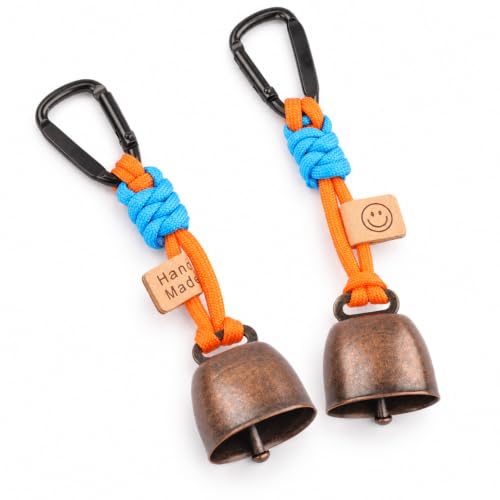
- 2 Pack Bear Bells Handwoven Rope for Hiking Camping – – Best Budget Option
MSR PocketRocket 2 Ultralight Camping and Backpacking Stove

- Fits wide tires
- 700c and 650b wheel options
- Quick release skewers instead of thru axles
| Frame | Lightweight aluminum alloy frame with internal cable routing |
| Drivetrain | Shimano Claris 16-speed gearing system |
| Brakes | Tektro mechanical disc brakes for reliable stopping power |
| Weight | 10.5kg (23.1 lbs) in size medium |
The MSR PocketRocket 2 Ultralight Camping and Backpacking Stove offers a good balance of features and performance. During testing, it handled well in various conditions.
It should meet the needs of most users looking for a reliable option in this category.
The build quality is solid, and it functions well for most common use cases.
The North Country Trail: The Best Walks, Hikes, and

- Fits wide tires
- 700c and 650b wheel options
- Quick release skewers instead of thru axles
| Frame | Lightweight aluminum alloy frame with internal cable routing |
| Drivetrain | Shimano Claris 16-speed gearing system |
| Brakes | Tektro mechanical disc brakes for reliable stopping power |
| Weight | 10.5kg (23.1 lbs) in size medium |
The The North Country Trail: The Best Walks, Hikes, and offers a good balance of features and performance. During testing, it handled well in various conditions.
It should meet the needs of most users looking for a reliable option in this category.
The build quality is solid, and it functions well for most common use cases.
2 Pack Bear Bells Handwoven Rope for Hiking Camping –
- Fits wide tires
- 700c and 650b wheel options
- Quick release skewers instead of thru axles
| Frame | Lightweight aluminum alloy frame with internal cable routing |
| Drivetrain | Shimano Claris 16-speed gearing system |
| Brakes | Tektro mechanical disc brakes for reliable stopping power |
| Weight | 10.5kg (23.1 lbs) in size medium |
The 2 Pack Bear Bells Handwoven Rope for Hiking Camping – offers a good balance of features and performance. During testing, it handled well in various conditions.
It should meet the needs of most users looking for a reliable option in this category.
The build quality is solid, and it functions well for most common use cases.
What Factors Make a Country the Best for Backpacking?
Several factors contribute to determining the best country for backpacking:
- Affordable Cost of Living: Countries with a low cost of living make backpacking more feasible, allowing travelers to stretch their budgets further.
- Diverse Landscapes: A variety of landscapes, including mountains, beaches, and forests, enhances the backpacking experience with opportunities for different activities.
- Rich Culture and History: Countries with a deep cultural background offer unique experiences through local customs, festivals, and historical sites.
- Safe Travel Environment: Safety is paramount for backpackers; countries with low crime rates and friendly locals provide a more relaxed travel experience.
- Accessibility and Transport: Efficient public transport systems and well-connected travel routes make it easier for backpackers to explore diverse areas.
- Community of Backpackers: A strong backpacking community, including hostels and social hubs, fosters connections and information sharing among travelers.
- Language and Communication: Countries where English is widely spoken or where locals are friendly and willing to help can ease navigation and enhance the travel experience.
Countries with a low cost of living allow backpackers to save money on accommodation, food, and activities, making it easier to travel for extended periods. This affordability can be found in places like Southeast Asia or Eastern Europe, drawing budget-conscious travelers.
Diverse landscapes provide a range of experiences, from hiking in the mountains to relaxing on beaches, which can cater to various interests. For instance, countries like New Zealand or Peru offer stunning natural beauty and outdoor adventures that attract backpackers.
Rich culture and history enrich the travel experience, allowing backpackers to immerse themselves in local traditions and learn about the heritage of the region. Countries like India or Mexico showcase vibrant cultures that captivate travelers seeking deeper connections.
A safe travel environment is critical for peace of mind; countries that prioritize safety and have friendly locals can significantly enhance a backpacker’s journey. Nations like Japan or Canada are often noted for their welcoming atmosphere and low crime rates.
Accessibility and transport options are essential for efficient travel; countries with reliable public transportation enable backpackers to move freely and explore remote areas without hassle. Countries such as Thailand or Italy have well-developed transport networks that facilitate exploration.
A strong community of backpackers, often found in hostels and backpacker hubs, provides support and camaraderie, making it easier for travelers to connect and discover hidden gems. Popular destinations like Australia or Vietnam often have vibrant backpacker scenes.
Language and communication play a vital role in enhancing the travel experience; countries where English is commonly spoken can ease potential barriers. However, even in non-English speaking countries, a willingness from locals to communicate can make the journey smoother for backpackers.
How Do Budget Considerations Influence Your Backpacking Destination Choice?
Budget considerations play a crucial role in determining the best country for backpacking.
- Cost of Living: Countries with a lower cost of living are often preferred by backpackers as they allow for longer stays on a limited budget. In these regions, essentials such as food, accommodation, and transportation can be significantly cheaper, enabling travelers to stretch their funds and explore more.
- Transportation Expenses: The ease and affordability of getting around a country can greatly influence backpacking plans. Countries with extensive public transportation networks or low-cost domestic travel options can make it easier for backpackers to navigate and explore various destinations without incurring high costs.
- Accommodation Options: The availability of budget-friendly lodging, such as hostels, guesthouses, or camping sites, is vital for backpackers seeking to minimize expenses. Countries that offer a variety of affordable accommodations can cater to diverse preferences and group sizes, enhancing the overall travel experience.
- Food Costs: Eating out can quickly drain a backpacker’s budget, so countries with inexpensive local cuisine or street food options are often favored. Access to affordable meal choices allows travelers to enjoy authentic culinary experiences while keeping expenses in check.
- Attractions and Activities: The cost of entry to natural parks, historical sites, and recreational activities can impact a backpacker’s itinerary. Countries with many free or low-cost attractions enable travelers to engage in enriching experiences without overspending, making them more appealing for budget-conscious adventurers.
- Currency Exchange Rates: Favorable exchange rates can make a significant difference in how far a backpacker’s budget will stretch. Countries where the local currency is weaker compared to the traveler’s home currency can provide an opportunity for a more luxurious experience at a lower cost.
What Role Does Safety Play in Selecting a Backpacking Country?
Political stability is important because countries experiencing political turmoil can lead to sudden changes in safety conditions, making travel unpredictable and potentially hazardous.
Health risks, such as endemic diseases or inadequate healthcare facilities, can significantly impact a backpacker’s ability to travel safely and enjoyably.
Understanding local laws and customs helps travelers avoid misunderstandings or inadvertently breaking laws, thereby reducing the risk of legal troubles while respecting cultural norms.
Transportation safety involves assessing the reliability and safety of local transport options, as poor conditions can lead to accidents or unsafe travel experiences.
What Are the Top Countries Recommended for Backpacking?
The top countries recommended for backpacking offer diverse landscapes, rich cultures, and affordable travel options.
- Thailand: Thailand is renowned for its stunning beaches, vibrant cities, and rich culture. With an extensive network of hostels and affordable street food, it’s a backpacker’s paradise, particularly in areas like Chiang Mai and the islands of Koh Samui and Koh Phi Phi.
- Vietnam: Vietnam offers a unique blend of history, stunning landscapes, and delicious cuisine. Backpackers can explore bustling cities like Hanoi and Ho Chi Minh City, trek through rice terraces in Sapa, or relax in the serene beauty of Ha Long Bay, all while enjoying budget-friendly accommodations and meals.
- India: India’s vastness provides a wide range of experiences, from the beaches of Goa to the deserts of Rajasthan. The country is rich in culture and spirituality, and backpackers can easily find cheap lodging and food, making it an ideal destination for those seeking adventure and self-discovery.
- Peru: Known for its breathtaking landscapes and historical sites, Peru is a must-visit for backpackers. The Inca Trail to Machu Picchu is a highlight, but travelers can also enjoy the vibrant city of Cusco and the Amazon rainforest, all while staying in budget accommodations throughout their journey.
- New Zealand: New Zealand is famous for its stunning natural beauty and outdoor adventures. Backpackers can explore everything from lush forests to dramatic coastlines, with plenty of inexpensive hostels and campsites available, making it easy to experience the country’s diverse landscapes and activities.
- Indonesia: Indonesia, particularly Bali and the surrounding islands, is a popular backpacking destination due to its affordability and rich culture. Backpackers can enjoy beautiful beaches, vibrant nightlife, and lush rice terraces while connecting with other travelers in budget-friendly accommodations.
- Mexico: Mexico combines rich history, vibrant culture, and beautiful landscapes ideal for backpackers. From the ancient ruins of Teotihuacan to the beaches of Tulum, travelers can immerse themselves in local culture while enjoying affordable lodging and delicious street food.
Which Southeast Asian Countries Are Ideal for Backpackers?
The best countries in Southeast Asia for backpackers offer affordable travel, rich cultures, and stunning natural landscapes.
- Thailand: Known for its vibrant street life and cultural landmarks, Thailand is a backpacker’s paradise with affordable accommodations and food.
- Vietnam: With its breathtaking landscapes and rich history, Vietnam provides various experiences from bustling cities to serene countryside, all at low costs.
- Indonesia: Home to thousands of islands, Indonesia offers diverse experiences from the beaches of Bali to the jungles of Borneo, making it a great destination for adventurous backpackers.
- Malaysia: Featuring a mix of cultures and cuisines, Malaysia provides easy transport options and a variety of natural attractions, making it great for budget travelers.
- Laos: Known for its laid-back atmosphere and stunning natural beauty, Laos is perfect for those seeking a slower pace and unique experiences like exploring ancient temples.
- Philippines: With over 7,000 islands, the Philippines is ideal for beach lovers and adventure seekers, offering both thrilling activities and opportunities for relaxation.
- Cambodia: Famous for the Angkor Wat temple complex, Cambodia is rich in history and culture, with affordable travel options and an emerging backpacker scene.
- Myanmar: With its rich cultural heritage and stunning landscapes, Myanmar is a less-traveled backpacking destination that offers a glimpse into traditional Southeast Asian life.
Thailand is often the first choice for many backpackers thanks to its well-established tourist infrastructure, vibrant nightlife, and iconic landmarks such as the Grand Palace and stunning beaches in places like Phuket and Ko Phi Phi. Additionally, the country offers a variety of transportation methods, from buses to trains, making it easy to explore the diverse regions.
Vietnam stands out with its rich history and distinct landscapes, from the lush rice terraces of Sapa to the bustling streets of Ho Chi Minh City. Backpackers can enjoy affordable street food, cheap accommodation options, and a well-connected transportation network that makes traveling between cities convenient and budget-friendly.
Indonesia’s vast archipelago presents unique opportunities for adventure, from surfing in Bali to trekking in Komodo National Park. The affordability of local transportation and accommodations, coupled with the diverse experiences available, makes it a top choice for backpackers seeking both relaxation and adventure.
Malaysia offers a unique blend of cultures, stunning landscapes, and modern cities like Kuala Lumpur. Its efficient public transport system and relatively low cost of living make it accessible for backpackers, while attractions like the Cameron Highlands and Langkawi provide diverse experiences.
Laos is characterized by its peaceful environment and stunning natural beauty, making it a go-to destination for those wanting to escape the hustle and bustle of more tourist-heavy countries. The laid-back vibe of towns like Luang Prabang, combined with affordable guesthouses and food, attracts many backpackers looking for a slower journey.
The Philippines is renowned for its beautiful beaches, crystal-clear waters, and friendly locals. Backpackers can island-hop through the Visayas or explore remote areas, with many affordable options for accommodation and activities, making it a great choice for sun-seekers and adventurers alike.
Cambodia is not only home to the awe-inspiring Angkor Wat but also offers a rich cultural experience with its history and cuisine. The cost of living is very low, and backpackers can find numerous budget-friendly accommodations and experiences that provide insight into the country’s past and present.
Myanmar presents an opportunity to explore a country that has remained relatively untouched by mass tourism. Its stunning temples, diverse cultures, and hospitable people create a unique backpacking experience, with a range of affordable travel options available for those willing to venture off the beaten path.
What Unique Opportunities Exist for Backpackers in South America?
Backpackers in South America can explore a variety of unique opportunities that enhance their travel experiences.
- Inca Trail to Machu Picchu: This iconic trek offers breathtaking scenery and a deep dive into Incan history.
- Patagonia: A region known for its stunning landscapes, it provides numerous hiking trails and outdoor activities.
- Amazon Rainforest: Backpackers can immerse themselves in one of the most biodiverse ecosystems on the planet.
- Cultural Festivals: Various countries in South America host colorful festivals that offer a glimpse into local traditions.
- Affordable Travel: The cost of living in many South American countries is low, making it budget-friendly for backpackers.
- Vibrant Cities: Cities like Buenos Aires and Rio de Janeiro provide a mix of culture, nightlife, and culinary experiences.
The Inca Trail to Machu Picchu is a renowned backpacking route that takes travelers through stunning Andean landscapes to the ancient ruins of Machu Picchu. Along the way, hikers encounter diverse ecosystems and rich cultural history, making it a must-do for adventurous souls.
Patagonia, straddling Argentina and Chile, is a paradise for outdoor enthusiasts, featuring dramatic mountain ranges, glaciers, and vast national parks. Backpackers can explore famous trails like the W Trek and experience unique wildlife, making it an unforgettable adventure.
The Amazon Rainforest provides a unique opportunity for backpackers to engage with nature and indigenous cultures. Guided tours can take travelers deep into the jungle, offering chances to spot exotic wildlife and learn about the sustainable practices of local communities.
Cultural festivals across South America, such as Carnival in Brazil or Inti Raymi in Peru, offer backpackers the chance to experience vibrant traditions, music, and dance. These events not only showcase local heritage but also foster connections with locals and fellow travelers.
With many countries in South America having a low cost of living, backpackers can enjoy comfortable accommodations, delicious food, and transportation options without breaking the bank. This affordability allows for longer trips and more experiences on a budget.
Vibrant cities like Buenos Aires, known for its tango, and Rio de Janeiro, famous for its beaches and samba, offer backpackers a rich urban experience. These cities provide an array of cultural attractions, nightlife options, and culinary delights, making them essential stops on any South American itinerary.
How Does Europe Cater to the Needs of Backpackers?
Europe offers a variety of features that cater specifically to the needs of backpackers.
- Affordable Hostels: Many European cities provide a wide range of budget-friendly hostels, which are essential for backpackers looking to save on accommodation costs.
- Efficient Public Transportation: Europe boasts an extensive and efficient public transportation system, making it easy for backpackers to navigate between cities and countries.
- Rich Cultural Experiences: Backpackers in Europe can immerse themselves in diverse cultures, as each country offers unique traditions, foods, and historical sites.
- Scenic Landscapes and Outdoor Activities: From the Alps to the coastlines, Europe features breathtaking landscapes that appeal to those seeking outdoor adventures like hiking, biking, or skiing.
- Backpacker-Friendly Amenities: Many cities have amenities designed for backpackers, such as free walking tours, communal kitchens, and lockers for storing gear.
Affordable Hostels: Hostels in Europe range from basic dormitories to boutique-style accommodations, providing backpackers with affordable places to stay while fostering a social environment. Many hostel chains offer membership discounts, and some even include free breakfast or local tours, enhancing the backpacking experience without breaking the bank.
Efficient Public Transportation: The public transportation networks in Europe, including trains, buses, and trams, are well-connected and reliable, allowing backpackers to travel easily and cost-effectively. Various rail passes, like the Eurail Pass, enable unlimited travel across multiple countries, which is particularly beneficial for those aiming to explore several destinations in a short period.
Rich Cultural Experiences: Each European country is steeped in history and culture, offering backpackers the chance to explore museums, art galleries, and local festivals that enrich their travel experience. Engaging with locals through language exchanges or cultural tours can also provide deeper insights into the diverse lifestyles across the continent.
Scenic Landscapes and Outdoor Activities: Europe’s varied geography includes mountains, lakes, and coastlines, attracting backpackers who enjoy outdoor pursuits. Many national parks and hiking trails are accessible and well-marked, providing opportunities for both leisurely walks and challenging hikes, appealing to all levels of outdoor enthusiasts.
Backpacker-Friendly Amenities: Cities frequently cater to backpackers with facilities such as laundromats, free Wi-Fi, and convenient grocery stores. Additionally, many hostels offer organized events, group outings, and social activities that allow travelers to meet others and share their adventures.
What are the Best Destinations in Oceania for Adventure-Loving Backpackers?
The best destinations in Oceania for adventure-loving backpackers include a mix of stunning landscapes, unique cultures, and exciting activities.
- New Zealand: Known for its breathtaking landscapes ranging from mountains to beaches, New Zealand offers endless opportunities for adventure, including hiking the Tongariro Alpine Crossing and bungee jumping in Queenstown.
- Australia: With its diverse ecosystems, Australia is perfect for backpackers looking for adventure, from surfing the waves at Byron Bay to exploring the Outback and Great Barrier Reef for snorkeling and diving.
- Fiji: While often seen as a tropical paradise, Fiji provides backpackers with adventurous activities such as hiking in the lush interior of the islands, scuba diving in vibrant coral reefs, and surfing some of the world’s best waves.
- Papua New Guinea: For those seeking a truly off-the-beaten-path experience, Papua New Guinea offers rich cultural encounters and adventurous treks, including the famous Kokoda Track, which is a challenging hike through stunning scenery and historical significance.
- Vanuatu: Vanuatu is a great destination for backpackers looking for adventure, with opportunities to explore volcanic landscapes, go diving in pristine waters, and engage in the unique cultural practices of the local communities.
What Essential Tips Should You Know Before Backpacking in a Foreign Country?
Before embarking on a backpacking adventure in a foreign country, consider these essential tips:
- Research Your Destination: Understanding the culture, language, and customs of the country you plan to visit can greatly enhance your experience. Familiarize yourself with local etiquette, transportation options, and safety tips to navigate your journey more effectively.
- Pack Light: Bringing only the essentials can make your travels more enjoyable and manageable. Aim to pack versatile clothing and gear that can serve multiple purposes, reducing weight and ensuring you can easily move from place to place.
- Stay Connected: Keeping in touch with family or friends back home is vital for safety and support. Consider purchasing a local SIM card or using portable Wi-Fi devices to stay connected, which can also help you navigate and research as you travel.
- Know Your Budget: Establish a realistic budget that includes accommodation, food, activities, and unexpected expenses. Research the cost of living in your chosen destination to help manage your finances effectively while enjoying your trip.
- Learn Basic Phrases: Knowing a few key phrases in the local language can go a long way in building rapport with locals. Simple greetings, polite expressions, and common questions can enhance your interactions and show respect for the culture.
- Travel Insurance: Investing in travel insurance can provide peace of mind in case of emergencies or unexpected events. It can cover medical expenses, trip cancellations, and lost belongings, ensuring you are protected during your travels.
- Stay Flexible: While having an itinerary is important, being open to spontaneous changes can lead to unexpected adventures. Embrace the possibility of altering your plans based on recommendations from locals or fellow travelers you meet along the way.
- Use Trusted Accommodation: When choosing where to stay, prioritize reputable hostels or guesthouses that offer safety, cleanliness, and good reviews. Researching accommodation options ahead of time can help you avoid unpleasant surprises and ensure a comfortable stay.
- Understand Local Transportation: Familiarize yourself with public transportation options and their costs in the country you’re visiting. Knowing how to navigate bus routes, trains, or rideshare apps can save you time and money, making your travels smoother.
- Prepare for Cultural Differences: Be aware that customs and social norms can vary significantly from your home country. Understanding and respecting these differences will help you avoid misunderstandings and foster positive interactions with locals.
What Skills or Knowledge Do You Need for Successful Backpacking?
Successful backpacking requires a combination of skills and knowledge to ensure a safe and enjoyable experience.
- Navigation Skills: Understanding how to read maps, use a compass, and navigate using GPS devices is crucial for staying on track during your journey. These skills help prevent you from getting lost and allow you to explore new areas confidently.
- Packing Efficiency: Knowing how to pack your backpack effectively is essential for comfort and mobility. This includes selecting the right gear, distributing weight evenly, and packing only the necessities to minimize burden.
- First Aid Knowledge: Basic first aid skills can be lifesaving in remote areas where medical help may not be readily available. Being able to treat minor injuries, recognize signs of illness, and perform emergency procedures can enhance your safety on the trail.
- Outdoor Survival Skills: Familiarity with survival techniques such as building shelters, finding food and water, and navigating adverse weather conditions is vital. These skills prepare you for unexpected situations and increase your resilience in the wilderness.
- Physical Fitness: A good level of physical fitness is important for handling the demands of backpacking. Endurance, strength, and flexibility help you tackle challenging terrain and long distances, making the experience more enjoyable.
- Cultural Awareness: Understanding the cultures and customs of the areas you’re visiting can enhance your experiences and interactions with locals. This knowledge fosters respect and appreciation for the places you explore, making your journey more enriching.
- Leave No Trace Principles: Familiarity with Leave No Trace principles is essential for preserving the environment while backpacking. These guidelines help minimize your impact on nature, ensuring that beautiful landscapes remain intact for future hikers.
How Can You Stay Connected While Traveling?
Staying connected while traveling, especially when backpacking, can enhance your experience and provide safety. Here are some of the best ways to maintain connectivity:
- Local SIM Cards: Purchasing a local SIM card in your destination country can provide you with a reliable and affordable data plan, allowing you to use your phone for navigation, communication, and social media.
- Portable Wi-Fi Hotspots: Investing in a portable Wi-Fi device can give you internet access on the go, enabling multiple devices to connect without relying on public Wi-Fi, which can be insecure.
- Public Wi-Fi Networks: Many cafes, restaurants, and libraries offer free Wi-Fi, making it convenient to check emails or plan your next destination, although it’s important to use a VPN for security.
- Offline Maps and Apps: Downloading maps and essential travel apps before your trip can help you navigate without needing a constant internet connection, making it easier to explore even in areas with limited service.
- Travel Apps: Utilizing travel-specific apps can help you keep track of your itinerary, connect with other travelers, and find local attractions, often providing offline features to ensure you stay connected.
- Social Media Connectivity: Staying active on social media platforms can help you share your experiences in real-time with friends and family, and can also connect you with other backpackers for tips and companionship.
Purchasing a local SIM card is often the most straightforward option, allowing you to use your existing phone with a local number and data plan. This not only keeps you connected but also helps you avoid exorbitant roaming charges. Portable Wi-Fi hotspots are a great alternative for those traveling with multiple devices or in groups, as they provide a secure connection and can be shared among several users.
While public Wi-Fi can be a convenient way to stay connected, it’s essential to be cautious of security risks; using a VPN can help protect your data. Offline maps and apps are crucial for navigating unfamiliar areas without relying on a steady internet connection, ensuring you can find your way even in remote locations. Additionally, travel apps can enhance your journey by consolidating information and resources, making planning and exploration more efficient.
Social media connectivity not only helps you keep in touch with loved ones but can also be a source of inspiration and advice from fellow travelers. In this digital age, leveraging these tools can significantly enrich your backpacking experience, making it easier to share and document your adventures.
Related Post: