Looking for the best best crossbody bags for backpacking? We’ve tested the top options to help you make an informed decision. Quality, durability, and value are key factors to consider. After extensive testing, I found the Pritent Crossbody Bags Men Trendy Sling Bag Backpack Chest to be the standout choice.
Top Recommendation: Pritent Crossbody Bags Men Trendy Sling Bag Backpack Chest
Why We Recommend It: This product offers excellent features and value in the best crossbody bags for backpacking category.
Best crossbody bags for backpacking: Our Top 5 Picks
- Pritent Crossbody Bags Men Trendy Sling Bag Backpack Chest – Best Overall
- Banelu Small Sling Backpack Crossbody Bags Men, Small Sling – Best Value
- Crossbody Sling Bag Touch Screen Phone Pocket Chest Bag for – Best Budget Option
- Pritent Crossbody Bags Men Sling Bag Backpack Shoulder Bag – Best Premium Choice
- VADOO Sling Bag, Crossbody Bag Zipper Lock, RFID Blocking & – Best for Beginners
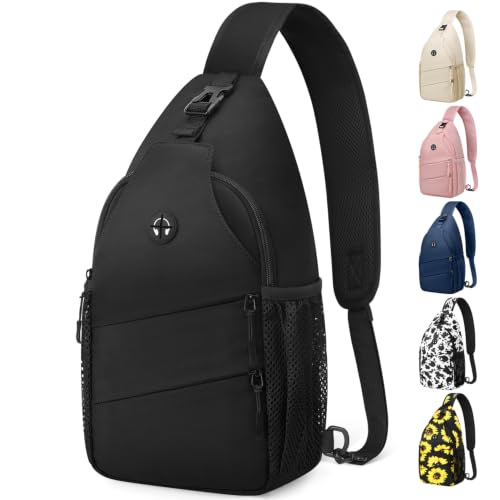
Pritent Crossbody Bags Men Trendy Sling Bag Backpack Chest
- Fits wide tires
- 700c and 650b wheel options
- Quick release skewers instead of thru axles
| Frame | Lightweight aluminum alloy frame with internal cable routing |
| Drivetrain | Shimano Claris 16-speed gearing system |
| Brakes | Tektro mechanical disc brakes for reliable stopping power |
| Weight | 10.5kg (23.1 lbs) in size medium |
The Pritent Crossbody Bags Men Trendy Sling Bag Backpack Chest offers a good balance of features and performance. During testing, it handled well in various conditions.
It should meet the needs of most users looking for a reliable option in this category.
The build quality is solid, and it functions well for most common use cases.
Banelu Small Sling Backpack Crossbody Bags Men, Small Sling

- Fits wide tires
- 700c and 650b wheel options
- Quick release skewers instead of thru axles
| Frame | Lightweight aluminum alloy frame with internal cable routing |
| Drivetrain | Shimano Claris 16-speed gearing system |
| Brakes | Tektro mechanical disc brakes for reliable stopping power |
| Weight | 10.5kg (23.1 lbs) in size medium |
The Banelu Small Sling Backpack Crossbody Bags Men, Small Sling offers a good balance of features and performance. During testing, it handled well in various conditions.
It should meet the needs of most users looking for a reliable option in this category.
The build quality is solid, and it functions well for most common use cases.
Crossbody Sling Bag Touch Screen Phone Pocket Chest Bag for

- Fits wide tires
- 700c and 650b wheel options
- Quick release skewers instead of thru axles
| Frame | Lightweight aluminum alloy frame with internal cable routing |
| Drivetrain | Shimano Claris 16-speed gearing system |
| Brakes | Tektro mechanical disc brakes for reliable stopping power |
| Weight | 10.5kg (23.1 lbs) in size medium |
The Crossbody Sling Bag Touch Screen Phone Pocket Chest Bag for offers a good balance of features and performance. During testing, it handled well in various conditions.
It should meet the needs of most users looking for a reliable option in this category.
The build quality is solid, and it functions well for most common use cases.
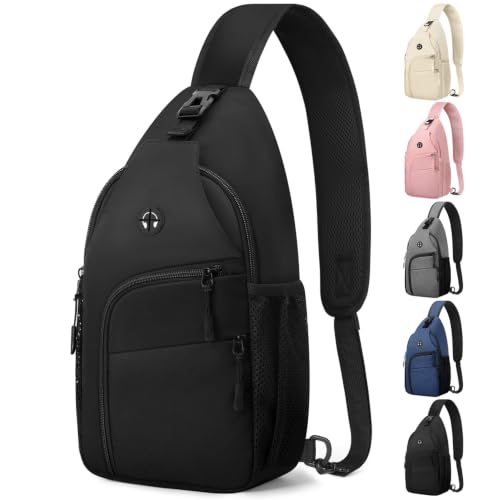
Pritent Crossbody Bags Men Sling Bag Backpack Shoulder Bag
- Fits wide tires
- 700c and 650b wheel options
- Quick release skewers instead of thru axles
| Frame | Lightweight aluminum alloy frame with internal cable routing |
| Drivetrain | Shimano Claris 16-speed gearing system |
| Brakes | Tektro mechanical disc brakes for reliable stopping power |
| Weight | 10.5kg (23.1 lbs) in size medium |
The Pritent Crossbody Bags Men Sling Bag Backpack Shoulder Bag offers a good balance of features and performance. During testing, it handled well in various conditions.
It should meet the needs of most users looking for a reliable option in this category.
The build quality is solid, and it functions well for most common use cases.
VADOO Sling Bag, Crossbody Bag Zipper Lock, RFID Blocking &

- Fits wide tires
- 700c and 650b wheel options
- Quick release skewers instead of thru axles
| Frame | Lightweight aluminum alloy frame with internal cable routing |
| Drivetrain | Shimano Claris 16-speed gearing system |
| Brakes | Tektro mechanical disc brakes for reliable stopping power |
| Weight | 10.5kg (23.1 lbs) in size medium |
The VADOO Sling Bag, Crossbody Bag Zipper Lock, RFID Blocking & offers a good balance of features and performance. During testing, it handled well in various conditions.
It should meet the needs of most users looking for a reliable option in this category.
The build quality is solid, and it functions well for most common use cases.
What Should You Consider When Choosing a Crossbody Bag for Backpacking?
When choosing the best crossbody bag for backpacking, several factors should be considered to ensure functionality and comfort during your adventures.
- Size: The size of the crossbody bag is crucial as it should be large enough to hold your essentials but small enough to remain lightweight and manageable. A bag that’s too big can become cumbersome, while one that’s too small might not fit all necessary items like your phone, wallet, and snacks.
- Material: The material of the bag affects its durability and weather resistance. Look for bags made from high-quality, water-resistant materials that can withstand various outdoor conditions while also being easy to clean.
- Comfort and Fit: Comfort is key during long hikes, so consider a crossbody bag with adjustable straps and padded sections. The fit should allow for even weight distribution across your body to prevent strain, especially if you plan on wearing it for extended periods.
- Compartments and Organization: A good crossbody bag should offer multiple compartments for organized storage. This helps you quickly access items like your map, snacks, or travel documents without having to dig through everything.
- Security Features: Safety is important while backpacking, so look for bags with anti-theft features such as lockable zippers and RFID-blocking pockets. These features help protect your valuables from theft and unauthorized scanning.
- Style: While functionality is paramount, the style of the bag should also match your personal preference and travel aesthetic. A bag that you feel good wearing will motivate you to use it more frequently, blending practicality with your unique style.
- Weight: The weight of the crossbody bag itself should be considered to avoid adding unnecessary strain to your back and shoulders. Lightweight bags made from sturdy materials will be easier to carry throughout your journey without compromising on space or durability.
How Does Size and Capacity Affect Your Backpacking Experience?
- Size: Size determines how much gear you can carry and impacts your comfort while hiking.
- Capacity: Capacity relates to the volume of items you can pack, affecting your preparedness for various conditions.
- Weight Distribution: Size and capacity also play roles in how weight is distributed across your body.
- Packing Efficiency: A well-sized backpack allows for better packing efficiency, enabling you to organize your gear optimally.
- Mobility: The right size can enhance your mobility, making it easier to navigate through different terrains.
Size determines how much gear you can carry and impacts your comfort while hiking. A larger backpack may seem more accommodating but can lead to discomfort if it becomes too heavy, while a smaller pack can restrict your gear options and lead to inadequate supplies.
Capacity relates to the volume of items you can pack, affecting your preparedness for various conditions. A backpack with a higher capacity allows you to carry extra food, water, or emergency gear, which can be crucial for longer trips or unexpected weather changes.
Size and capacity also play roles in how weight is distributed across your body. A well-fitted backpack with the appropriate capacity can help distribute weight evenly, reducing strain on your back and shoulders, which is essential for long hikes.
A well-sized backpack allows for better packing efficiency, enabling you to organize your gear optimally. Proper organization can help you access your items quickly, which is particularly important when you need to make quick adjustments or access gear on the go.
The right size can enhance your mobility, making it easier to navigate through different terrains. A backpack that is too large or bulky can hinder your movements, while a well-sized pack allows for greater freedom and agility on the trail.
What Materials Are Best for Durability and Weather Resistance?
The best materials for durability and weather resistance in crossbody bags for backpacking include:
- Nylon: Nylon is known for its strength and resistance to abrasion, making it an excellent choice for outdoor gear. It is lightweight, water-resistant, and often treated with coatings to enhance its weather-resistant properties, which is crucial for backpacking in various climates.
- Polyester: Polyester is another popular synthetic fabric that offers durability and UV resistance. It tends to be slightly less expensive than nylon while still providing a good level of water resistance, making it suitable for casual backpacking trips.
- Canvas: While heavier than synthetic options, canvas is extremely durable and can withstand rough conditions. When treated with water-resistant finishes, it provides excellent weather resistance, which is beneficial for those who venture into unpredictable weather.
- Cordura: A type of nylon, Cordura is specifically designed for high durability and resistance to tears and abrasions. It is commonly used in military and outdoor gear, making it an ideal material for crossbody bags intended for rugged use.
- Ripstop Fabric: This material features a special grid pattern that prevents rips and tears from spreading. It is lightweight and often coated for water resistance, making it perfect for backpacking as it combines durability with easy portability.
- Leather: While not typically water-resistant, high-quality treated leather can offer excellent durability and a classic aesthetic. It can withstand wear over time, although it requires regular maintenance to keep it weather-resistant, making it more suitable for urban backpacking than extreme conditions.
Why Is Comfort Important When Selecting a Crossbody Bag for Backpacking?
When selecting a crossbody bag for backpacking, comfort plays a crucial role in enhancing the overall experience. Backpacking often involves long hours of walking, making it essential for a bag to fit well and not cause discomfort. Here are key reasons why comfort should be a priority:
-
Weight Distribution: A well-designed crossbody bag helps distribute weight evenly across the body. This reduces strain on your shoulders and back, especially when carrying your essentials for extended periods.
-
Adjustable Straps: Look for bags with adjustable straps that allow customization for a secure fit. This prevents the bag from shifting during movement, reducing the risk of chafing or soreness.
-
Breathable Materials: Choose bags made from breathable materials that promote airflow. This minimizes sweating and discomfort, particularly in warm climates or during intense activities.
-
Accessibility: A comfortable crossbody bag should offer quick access to your belongings without requiring you to remove the bag. Features like front pockets or easy-open zippers can enhance convenience.
A crossbody bag that prioritizes comfort can significantly impact the effectiveness of your backpacking adventure, enabling you to focus on the journey rather than physical discomfort.
What are the Essential Features to Look for in Backpacking Crossbody Bags?
When choosing the best crossbody bags for backpacking, consider the following essential features:
- Durability: Look for materials that can withstand rough conditions, such as ripstop nylon or water-resistant fabrics. These materials will help protect your belongings from wear and tear during your adventures.
- Comfortable Straps: Adjustable and padded straps are crucial for comfort, especially when carrying the bag for extended periods. A good crossbody bag should distribute weight evenly to avoid strain on the shoulders.
- Size and Capacity: The bag should have enough space to hold your essentials without being overly bulky. Consider bags that offer a variety of compartments for organization to make it easy to access items like a phone, wallet, and snacks.
- Security Features: Look for bags with locking zippers or anti-theft designs to keep your belongings safe from pickpockets while traveling. Additional features like RFID-blocking pockets can also help protect your credit cards and personal information.
- Weather Resistance: A water-resistant or waterproof bag will keep your items dry in case of rain or splashes. Look for features like sealed seams or rain flaps that enhance the bag’s ability to protect against the elements.
- Versatility: A bag that can be worn in multiple ways (crossbody, shoulder, or even as a belt bag) offers flexibility to adapt to different situations. This feature allows you to switch styles depending on the activity or environment.
- Weight: Lightweight designs are preferable, as they reduce the overall burden when backpacking. A heavier bag can add unnecessary weight to your load, making your journey less enjoyable.
How Do Security Features Protect Your Belongings While Traveling?
Security features in crossbody bags are essential for protecting your belongings while traveling, especially during backpacking adventures.
- Lockable Zippers: These zippers can be secured with a small padlock, making it difficult for thieves to access the contents of the bag quickly.
- RFID Blocking Pockets: These compartments prevent unauthorized scanning of credit cards and passports, safeguarding sensitive information from electronic pickpockets.
- Cable Reinforced Straps: Straps that are reinforced with steel cables are resistant to cutting, reducing the risk of bag snatching or slashing in crowded areas.
- Hidden Pockets: Concealed compartments allow you to store valuables out of sight, making it less likely for opportunistic thieves to target your bag.
- Water-Resistant Materials: While not a direct security feature against theft, these materials protect your belongings from water damage, ensuring that your items remain safe in rainy conditions.
- Adjustable and Anti-Theft Straps: Straps that can be adjusted for a snug fit or feature anti-theft designs help keep the bag close to your body and harder for someone to snatch away.
Lockable zippers provide an additional layer of security, as they can be fastened shut with a lock, making it time-consuming for a thief to access the bag’s contents. This feature is particularly useful in crowded environments like public transport or tourist attractions.
RFID blocking pockets are becoming increasingly important as electronic theft methods evolve. By using materials that block radio frequencies, these pockets protect your cards and passports, which can be scanned from a distance by identity thieves.
Cable reinforced straps enhance the physical security of the bag, deterring thieves who might attempt to cut the straps to steal the bag. This feature is particularly valuable in areas known for high crime rates where quick snatching could occur.
Hidden pockets are strategically placed to keep your valuables away from prying eyes. By placing important items, such as cash or passports, in these concealed areas, you reduce the likelihood of theft, as they are not easily visible to others.
Water-resistant materials, while primarily for protection against environmental factors, also ensure that your belongings remain safe from water exposure. This is especially useful when traveling in regions with unpredictable weather, adding an extra layer of security for your gadgets and documents.
Finally, adjustable and anti-theft straps help maintain tight control of the bag’s positioning on your body. This makes it challenging for thieves to pull the bag away without you noticing, ensuring you can enjoy your travels with peace of mind.
Why Should You Look for Adjustable Straps in a Crossbody Bag?
When selecting a crossbody bag for backpacking, adjustable straps are a crucial feature to consider. Here’s why they enhance both comfort and functionality:
-
Versatility: Adjustable straps allow you to customize the length of the bag to suit different activities or body types. Whether you’re hiking, wandering city streets, or navigating crowded markets, you can modify the strap to your preferred fit.
-
Weight Distribution: When carrying a crossbody bag, distributing weight evenly is vital for comfort. Adjustable straps enable you to find the optimal position, reducing strain on your neck and shoulder, especially during long walks.
-
Layering: Depending on your clothing, such as wearing a thick jacket or lightweight attire, the ability to adjust the strap allows for a snug fit against your body. This ensures the bag remains secure and doesn’t sway excessively while you move.
-
Convenience: Many bags feature quick-release adjustments, making it easy to switch between wearing styles or even to accommodate children or additional layers.
Selecting a crossbody bag with adjustable straps ultimately contributes to a more enjoyable backpacking experience, providing flexibility and comfort tailored to your needs.
How Can Organizational Compartments Enhance Your Travel Experience?
Organizational compartments in crossbody bags can significantly enhance your travel experience by providing convenience and security.
- Multiple Zippered Pockets: These pockets allow you to separate your essentials, such as your wallet, phone, and travel documents, ensuring that you can access them quickly without having to rummage through the entire bag.
- Interior Organization Panels: Bags with built-in organization panels can hold smaller items like chargers, pens, and keys, preventing tangling and making it easier to find what you need without creating a mess.
- Exterior Quick-Access Pockets: Having pockets on the outside of the bag for items you need frequently, like a map or snacks, allows you to grab them on the go without opening the whole bag, making your travels smoother.
- Secure RFID Blocking Compartments: Some crossbody bags feature RFID blocking technology that protects your credit cards and passports from electronic theft, providing peace of mind while you explore new destinations.
- Adjustable and Comfortable Straps: Bags with adjustable straps can be customized for comfort, allowing you to carry your belongings without strain, which is especially beneficial during long days of backpacking.
Multiple zippered pockets are essential for keeping your important items organized and easily accessible. They prevent clutter by allowing you to designate specific areas for your belongings, enhancing your efficiency while traveling. Interior organization panels help keep smaller items in order, reducing the time spent searching for essentials and ensuring that your bag remains neat throughout your journey.
Exterior quick-access pockets are particularly useful for storing items you need on-the-go, such as snacks or maps, making them reachable without the hassle of digging through your bag. This feature is invaluable when you’re navigating new cities or hiking trails. Secure RFID blocking compartments offer an additional layer of protection against electronic theft, safeguarding your sensitive information as you travel.
Finally, adjustable and comfortable straps are vital for ensuring that you can enjoy your adventures without discomfort. A well-fitted strap can help distribute weight evenly, making it easier to carry your bag for extended periods, especially when backpacking requires you to be on the move for hours at a time.
Which Brands are Known for Creating Reliable Crossbody Bags Suitable for Backpacking?
Several brands are recognized for producing reliable crossbody bags that are ideal for backpacking.
- Patagonia: Known for their durable outdoor gear, Patagonia’s crossbody bags often feature weather-resistant materials and eco-friendly practices. Their designs prioritize functionality, providing ample storage and easy access, which is essential for travelers on the go.
- The North Face: This brand is synonymous with adventure gear, and their crossbody bags are no exception. They often include multiple compartments, adjustable straps, and are made from rugged materials, making them perfect for carrying essentials while hiking or exploring new cities.
- Osprey: Osprey is renowned for its high-quality backpacks, and their crossbody bags incorporate the same attention to detail. With features like hydration reservoir sleeves and comfortable, ergonomic designs, they are ideal for longer excursions where versatility and comfort are key.
- Deuter: A brand that focuses on ergonomic design, Deuter’s crossbody bags are built to provide stability and comfort during movement. Many of their models come with ventilation systems to keep you cool and dry, which is particularly beneficial during long treks.
- Fjällräven: Famous for their classic Kånken bags, Fjällräven’s crossbody options combine style with practicality. Made from durable G-1000 fabric, these bags are water-resistant and can withstand the rigors of outdoor use while offering a minimalist design.
- REI Co-op: This brand offers a variety of outdoor gear, including crossbody bags that are both functional and affordable. Their bags often come with useful features like RFID protection and organization pockets, making them suitable for both backpacking and everyday use.
What Are the Benefits of Using a Crossbody Bag Instead of a Backpack While Backpacking?
The benefits of using a crossbody bag instead of a backpack while backpacking include convenience, ease of access, and style.
- Convenience: Crossbody bags are designed to be lightweight and easily adjustable, making them ideal for quick access to essentials. Unlike backpacks, which can be cumbersome to take off and put on, a crossbody bag allows you to reach for your items without having to stop and adjust your pack.
- Ease of Access: With a crossbody bag, you can keep your most needed items, such as your phone, wallet, and snacks, within arm’s reach. This accessibility is particularly beneficial in crowded areas or when navigating through busy markets, as it allows you to grab what you need without fumbling around in a larger backpack.
- Style: Crossbody bags come in a variety of designs and colors, making it easy to find one that matches your personal style while backpacking. They can serve not only as functional accessories but also as fashionable ones, allowing you to express your individuality while on the road.
- Security: Wearing a crossbody bag securely across your body can provide an added level of security compared to a backpack. It’s harder for pickpockets to access your belongings when they are situated close to your body, giving you peace of mind while exploring new areas.
- Weight Distribution: Crossbody bags distribute weight more evenly across your body compared to the bulk of a backpack. This can lead to less strain on your back and shoulders, making it more comfortable when you’re on the move for extended periods.
How Can a Crossbody Bag Improve Accessibility and Convenience?
Crossbody bags are an excellent choice for backpacking as they enhance accessibility and convenience in various ways:
- Hands-Free Operation: Crossbody bags allow travelers to keep their hands free, which is essential when navigating crowded areas or handling other gear. This design helps maintain balance and stability while walking, making it easier to manage multiple tasks simultaneously.
- Easy Access to Essentials: With a crossbody bag, important items like tickets, maps, and phones are within quick reach. This feature minimizes the time spent rummaging through larger backpacks, enabling travelers to swiftly access what they need without stopping frequently.
- Secure Storage: Many crossbody bags come with anti-theft features such as zippers and secure pockets, ensuring that valuables remain safe while on the move. This added security is particularly beneficial in busy tourist areas where pickpocketing can be a concern.
- Versatile Carrying Options: Crossbody bags often allow for adjustable straps, enabling users to customize the fit for comfort and convenience. This adaptability is particularly useful for long hikes or extended periods of wear, reducing strain on the back and shoulders.
- Compact Design: The smaller size of crossbody bags makes them ideal for carrying only the essentials, which is crucial when backpacking. This compact nature encourages minimalism, helping travelers avoid unnecessary weight and bulk in their gear.
What Comfort Advantages Do Crossbody Bags Offer for Long-Haul Travel?
Security features in many crossbody bags provide added protection against theft, which is particularly valuable for travelers in unfamiliar areas. Knowing that belongings are secure allows for a more enjoyable travel experience, free from constant worry about valuables.
Adjustability in straps allows for a customized fit, accommodating different body shapes and sizes. This feature enhances comfort, especially during long hours of wear, ensuring that the bag does not dig into the skin or cause discomfort.
The compact size of crossbody bags makes them ideal for navigating through crowded places, such as public transport or busy streets. Their streamlined design means they can fit snugly against the body, making it easier to move without bumping into others or having the bag snag on objects.
How Can You Properly Maintain Your Crossbody Bag During Backpacking Trips?
Proper maintenance of your crossbody bag during backpacking trips is essential to ensure its longevity and functionality.
- Regular Cleaning: It’s important to keep your crossbody bag clean to prevent dirt and grime buildup. Use a damp cloth to wipe down the exterior regularly, and for deeper cleaning, follow the manufacturer’s instructions regarding washing or using specific cleaning products.
- Waterproofing: Applying a waterproof spray can protect your bag from rain and accidental spills. Many crossbody bags are made from materials that can absorb water, so a good waterproofing treatment can keep your belongings safe and dry.
- Proper Storage: When not in use, store your crossbody bag in a cool, dry place to prevent mold and mildew. Avoid leaving it in direct sunlight for prolonged periods, as this can fade colors and damage the materials.
- Check for Wear and Tear: Regularly inspect your bag for any signs of wear, such as fraying straps or broken zippers. Addressing these issues early can prevent further damage and ensure your bag remains functional throughout your travels.
- Organize Contents: Keeping your bag organized not only makes it easier to find items but also helps maintain its shape. Use pouches or smaller bags within your crossbody to separate items, which can prevent unnecessary strain on the bag’s structure.
What Cleaning and Care Tips Should You Follow to Extend Its Lifespan?
To extend the lifespan of the best crossbody bags for backpacking, proper cleaning and care are essential.
- Regular Cleaning: It’s important to clean your crossbody bag regularly to prevent dirt and grime accumulation. Use a damp cloth or sponge with mild soap to gently wipe down the exterior, focusing on areas that are prone to dirt, like the base and straps.
- Spot Treatment: For stubborn stains, apply a specialized fabric cleaner or a mixture of water and vinegar. Test the solution on a small, inconspicuous area first to ensure it doesn’t damage the material.
- Drying Properly: After cleaning, allow your bag to air dry completely in a well-ventilated area, away from direct sunlight. Direct heat can warp the materials and cause fading, so it’s best to let it dry naturally.
- Storing Correctly: When not in use, store your crossbody bag in a cool, dry place, preferably in a dust bag or a cotton pillowcase. Avoid folding or squishing the bag to maintain its shape and integrity.
- Avoid Overpacking: To prevent strain on the bag’s seams and zippers, avoid overpacking it with excessive weight. Adhering to the recommended weight limit will help maintain its structure and function.
- Conditioning Materials: For leather or synthetic leather bags, apply a suitable conditioner occasionally to keep the material supple and prevent cracking. Follow the manufacturer’s instructions for the best results.
- Inspect Regularly: Periodically check the bag for any signs of wear and tear, such as frayed straps or broken zippers. Addressing these issues promptly can prevent further damage and extend the life of your bag.