Looking for the best best cookware pots backpacking? We’ve tested the top options to help you make an informed decision. Quality, durability, and value are key factors to consider. After extensive testing, I found the MalloMe Camping Cookware 17 pcs Mess Kit 1.1L Kettle for to be the standout choice.
Top Recommendation: MalloMe Camping Cookware 17 pcs Mess Kit 1.1L Kettle for
Why We Recommend It: This product offers excellent features and value in the best cookware pots backpacking category.
Best cookware pots backpacking: Our Top 5 Picks
- MalloMe Camping Cookware 17 pcs Mess Kit 1.1L Kettle for – Best Overall
- Odoland Camping Cookware Mess Kit, Lightweight Pot Stove – Best Value
- ALOCS Camping Cookware Portable Pots and Pans Set for – Best Budget Option
- THTYBROS Camping Cookware Kit Backpacking, 0.33Gal Pots and – Best Premium Choice
- Odoland 19pcs Camping Cookware Mess Kit, Non-Stick Pot Pan – Best for Beginners
MalloMe Camping Cookware 17 pcs Mess Kit 1.1L Kettle for

- Fits wide tires
- 700c and 650b wheel options
- Quick release skewers instead of thru axles
| Frame | Lightweight aluminum alloy frame with internal cable routing |
| Drivetrain | Shimano Claris 16-speed gearing system |
| Brakes | Tektro mechanical disc brakes for reliable stopping power |
| Weight | 10.5kg (23.1 lbs) in size medium |
The MalloMe Camping Cookware 17 pcs Mess Kit 1.1L Kettle for offers a good balance of features and performance. During testing, it handled well in various conditions.
It should meet the needs of most users looking for a reliable option in this category.
The build quality is solid, and it functions well for most common use cases.
Odoland Camping Cookware Mess Kit, Lightweight Pot Stove

- Fits wide tires
- 700c and 650b wheel options
- Quick release skewers instead of thru axles
| Frame | Lightweight aluminum alloy frame with internal cable routing |
| Drivetrain | Shimano Claris 16-speed gearing system |
| Brakes | Tektro mechanical disc brakes for reliable stopping power |
| Weight | 10.5kg (23.1 lbs) in size medium |
The Odoland Camping Cookware Mess Kit, Lightweight Pot Stove offers a good balance of features and performance. During testing, it handled well in various conditions.
It should meet the needs of most users looking for a reliable option in this category.
The build quality is solid, and it functions well for most common use cases.
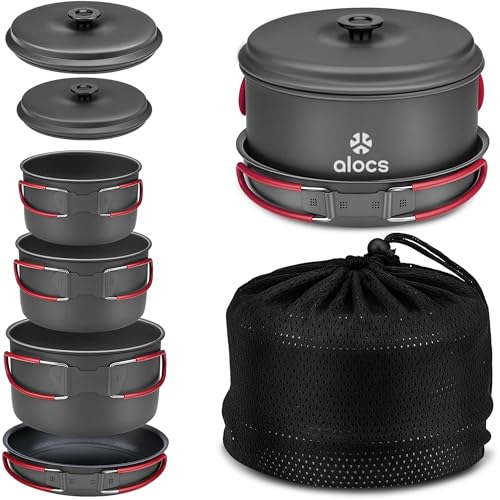
ALOCS Camping Cookware Portable Pots and Pans Set for
- Fits wide tires
- 700c and 650b wheel options
- Quick release skewers instead of thru axles
| Frame | Lightweight aluminum alloy frame with internal cable routing |
| Drivetrain | Shimano Claris 16-speed gearing system |
| Brakes | Tektro mechanical disc brakes for reliable stopping power |
| Weight | 10.5kg (23.1 lbs) in size medium |
The ALOCS Camping Cookware Portable Pots and Pans Set for offers a good balance of features and performance. During testing, it handled well in various conditions.
It should meet the needs of most users looking for a reliable option in this category.
The build quality is solid, and it functions well for most common use cases.
THTYBROS Camping Cookware Kit Backpacking, 0.33Gal Pots and

- Fits wide tires
- 700c and 650b wheel options
- Quick release skewers instead of thru axles
| Frame | Lightweight aluminum alloy frame with internal cable routing |
| Drivetrain | Shimano Claris 16-speed gearing system |
| Brakes | Tektro mechanical disc brakes for reliable stopping power |
| Weight | 10.5kg (23.1 lbs) in size medium |
The THTYBROS Camping Cookware Kit Backpacking, 0.33Gal Pots and offers a good balance of features and performance. During testing, it handled well in various conditions.
It should meet the needs of most users looking for a reliable option in this category.
The build quality is solid, and it functions well for most common use cases.
Odoland 19pcs Camping Cookware Mess Kit, Non-Stick Pot Pan

- Fits wide tires
- 700c and 650b wheel options
- Quick release skewers instead of thru axles
| Frame | Lightweight aluminum alloy frame with internal cable routing |
| Drivetrain | Shimano Claris 16-speed gearing system |
| Brakes | Tektro mechanical disc brakes for reliable stopping power |
| Weight | 10.5kg (23.1 lbs) in size medium |
The Odoland 19pcs Camping Cookware Mess Kit, Non-Stick Pot Pan offers a good balance of features and performance. During testing, it handled well in various conditions.
It should meet the needs of most users looking for a reliable option in this category.
The build quality is solid, and it functions well for most common use cases.
What Are the Key Features to Look for in Backpacking Cookware Pots?
The key features to consider when selecting backpacking cookware pots include:
- Material: The most common materials for backpacking pots are aluminum and titanium. Aluminum is lightweight and conducts heat well but can be prone to scratching and is less durable than titanium, while titanium is extremely durable and resistant to corrosion but typically comes at a higher price point.
- Weight: Since backpacking involves carrying everything on your back, the weight of the cookware is crucial. Look for pots that balance durability with lightweight construction to minimize the load while still being functional for cooking needs.
- Size and Capacity: Depending on your group size and meals planned, the size and capacity of the pot matter. Smaller pots are great for solo trips, while larger pots are better for group cooking, but be mindful of how they fit into your overall gear and cooking setup.
- Heat Distribution: Good heat distribution ensures even cooking and prevents hot spots that can burn food. Look for pots with a thicker base or specific design features that enhance heat conduction for more efficient cooking.
- Non-Stick Coating: A non-stick coating can make cooking and cleaning easier, especially when preparing sticky foods. However, be cautious as some coatings can scratch easily, so consider how you will use utensils and clean the pot.
- Compatibility with Stoves: Ensure that the cookware is compatible with your backpacking stove. Some pots may be designed specifically for certain types of stoves or heat sources, which can affect cooking efficiency and safety.
- Handles and Lids: Look for pots with sturdy, heat-resistant handles that are easy to grip, as well as lids that fit securely. A good lid can help retain heat and speed up cooking times, and handles should allow for safe handling during cooking and serving.
- Stackability: Stackable cookware can save space in your backpack, allowing for better organization and less bulk. Many backpacking pots are designed to nest within each other or with other gear, optimizing packing efficiency.
What Materials Are Best for Backpacking Cookware Pots?
The best cookware pots for backpacking are typically lightweight, durable, and efficient in heat conduction.
- Aluminum: Aluminum pots are popular due to their lightweight nature and excellent heat conduction properties. They heat up quickly, allowing for efficient cooking, but can be prone to scratching and may react with acidic foods unless anodized.
- Stainless Steel: Stainless steel cookware is known for its durability and resistance to corrosion, making it a long-lasting option for backpackers. While it is heavier than aluminum and has slower heat conduction, it is excellent for cooking over an open flame and does not react with food.
- Titanium: Titanium pots are extremely lightweight, making them ideal for ultralight backpacking. They are highly durable and resistant to corrosion, although they can be more expensive and may have less effective heat distribution compared to aluminum.
- Non-Stick Coated: Non-stick cookware offers easy cleaning and reduced food sticking, which is advantageous when cooking in the backcountry. However, it is generally heavier and may not be as durable as other materials, especially when exposed to high heat or rough handling.
- Hard-Anodized Aluminum: This material is aluminum that has been treated to create a hard, non-reactive surface that is more durable and resistant to scratching. It combines the lightweight benefits of aluminum with improved longevity and is often non-stick, making it a favored choice for many backpackers.
How Does Aluminum Compare to Titanium in Backpacking Cookware?
| Aspect | Aluminum | Titanium |
|---|---|---|
| Weight | Lightweight material, making it easy to carry. | Heavier than aluminum but still relatively light. |
| Durability | Less durable, can dent and scratch easily. | More durable, resistant to scratches and dents. |
| Heat Conductivity | Excellent heat conductor, cooks food evenly. | Poor heat conductor, may require longer cooking times. |
| Cost | Generally cheaper, making it a budget-friendly option. | More expensive due to the material’s properties and durability. |
| Corrosion Resistance | Can corrode over time, especially in acidic conditions. | Highly resistant to corrosion, making it suitable for various environments. |
| Weight Capacity | Suitable for lightweight cooking needs but may bend under heavy use. | Stronger weight capacity, allows for heavier use without deformation. |
| Cooking Versatility | Good for a variety of cooking methods, including boiling and frying. | Limited to boiling and lighter cooking methods; not ideal for frying. |
| Maintenance Requirements | Easy to clean but may require seasoning to prevent sticking. | Non-reactive and easy to clean, no seasoning needed. |
What Advantages Does Stainless Steel Offer for Backpacking Cooking?
Stainless steel offers several advantages for backpacking cooking, making it an ideal choice for outdoor enthusiasts.
- Durability: Stainless steel is highly resistant to dents, scratches, and corrosion, ensuring that it can withstand the rigors of backpacking. This durability means it can endure rough handling and exposure to various weather conditions without significant wear.
- Non-reactive surface: Unlike some metals, stainless steel does not react with acidic or alkaline foods, preserving the flavor and quality of meals. This non-reactivity makes it a versatile option for cooking a wide variety of dishes without the risk of imparting metallic tastes.
- Easy to clean: The smooth surface of stainless steel cookware makes it easy to clean, even in the outdoors where access to hot water and soap may be limited. A simple wipe or rinse can often suffice, making it convenient for backpackers.
- Heat distribution: Stainless steel provides excellent heat distribution when combined with aluminum or copper layers, allowing for more even cooking. This feature helps prevent hot spots that can burn food, making it easier to prepare meals perfectly.
- Lightweight options available: While stainless steel can be heavier than other materials, there are lightweight options designed specifically for backpacking. These lighter versions maintain the strength and durability of stainless steel while being easier to carry on long treks.
- Versatility: Stainless steel cookware can be used for various cooking methods, including boiling, frying, and even baking when combined with the right equipment. This versatility allows backpackers to prepare a wider range of meals with just a few pots and pans.
- Long lifespan: Due to its resistance to rust and corrosion, stainless steel cookware can last for many years with proper care. This longevity makes it a cost-effective investment for backpackers who frequently camp or hike.
What Are the Top-Rated Cookware Pots for Backpacking?
The best cookware pots for backpacking are lightweight, durable, and designed for efficient cooking on the go.
- MSR PocketRocket 2 Cook Set: This compact and lightweight set includes a pot and a frying pan, making it ideal for solo backpackers.
- GSI Outdoors Pinnacle Camper Cookset: This versatile cookset is designed for small groups and includes multiple pots and utensils for varied cooking needs.
- Sea to Summit Alpha Pot: Made from hard-anodized aluminum, this pot is not only lightweight but also features a durable non-stick coating for easy cleaning.
- Snow Peak Mini Solo Cook Set: This minimalist cook set is perfect for solo campers, featuring a pot and a cup that nest together for easy transport.
- Titanium Cookware by TOAKS: Known for its exceptional strength and lightweight properties, TOAKS titanium pots are perfect for those who prioritize weight savings in their pack.
The MSR PocketRocket 2 Cook Set is renowned for its efficiency and portability, featuring a 1.2-liter pot and a frying pan that easily fit into most packs, making it an excellent choice for solo backpacking trips.
The GSI Outdoors Pinnacle Camper Cookset caters to small groups with its comprehensive design, including hard-anodized pots and various utensils, making meal preparation seamless and enjoyable on the trail.
The Sea to Summit Alpha Pot stands out due to its hard-anodized aluminum construction, which provides excellent heat distribution and durability, while the non-stick coating ensures that food doesn’t stick, simplifying cleanup.
The Snow Peak Mini Solo Cook Set is favored by minimalist backpackers, featuring a compact design that includes a pot and cup that nest together, making it easy to pack without taking up much space.
Finally, TOAKS Titanium Cookware is beloved for its extreme lightweight nature and resilience, allowing backpackers to carry high-quality cooking gear without the burden of extra weight, making it a popular choice among ultralight enthusiasts.
Which Cookware Pots Do Experienced Backpackers Recommend?
The best cookware pots for backpacking are lightweight, durable, and versatile options that experienced backpackers trust for their outdoor cooking needs.
- Titanium Pots: These pots are extremely lightweight and have excellent heat conduction properties, making them ideal for backpacking.
- Aluminum Pots: Known for their affordability and good heat distribution, aluminum pots are a popular choice among backpackers looking for a balance between weight and cost.
- Stainless Steel Pots: While heavier than titanium and aluminum, stainless steel pots offer great durability and resistance to corrosion, making them suitable for long-term use.
- Collapsible Pots: These innovative designs save space in your pack and are typically made of silicone, making them lightweight and easy to clean.
- Multi-functional Cookware: Some pots come with integrated features like built-in straining lids or nesting capabilities, maximizing functionality without adding extra weight.
Titanium Pots: Titanium cookware is renowned for its exceptional strength-to-weight ratio, making it an excellent choice for backpackers who prioritize weight savings. They are also resistant to scratching and corrosion, which extends their lifespan in outdoor conditions. However, they can be more expensive than other materials, so budget considerations may apply.
Aluminum Pots: Aluminum cookware is lightweight and provides good thermal conductivity, allowing for efficient cooking. Many backpackers appreciate the lower price point of aluminum pots, making them accessible without sacrificing performance. However, they can be prone to scratching and may require careful handling to maintain their integrity over time.
Stainless Steel Pots: Stainless steel is favored for its durability and resistance to rust and corrosion, making it a long-lasting investment for outdoor cooking. These pots are often heavier than their aluminum and titanium counterparts, but they offer a sturdiness that many backpackers find reassuring. They are also easy to clean, which is a significant advantage when cooking in the wild.
Collapsible Pots: Collapsible pots are designed for maximum portability, as they can be flattened or folded to save space in a backpack. Made primarily from silicone, they are lightweight and easy to pack, but they may require careful handling to prevent damage. Their flexibility makes them ideal for minimalist backpackers who need to optimize every inch of their gear.
Multi-functional Cookware: Multi-functional pots often include features that enhance their usability, such as straining lids or the ability to nest with other cookware. This versatility allows backpackers to carry fewer items while still having the necessary tools for cooking and food preparation. Investing in such cookware can simplify meal prep on the trail and maximize the efficiency of your packing strategy.
How Important Is Weight When Choosing Backpacking Cookware Pots?
- Material: The material of the cookware pot significantly influences its weight. Aluminum pots are lightweight and heat up quickly, making them a popular choice for backpackers. In contrast, stainless steel pots are heavier but more durable, providing better long-term use at the cost of added weight.
- Size and Capacity: The size and capacity of the pot determine how much food or water it can hold, which in turn affects its weight. Smaller pots are lighter and easier to pack but may not suffice for larger groups or meals, while larger pots can be heavy and cumbersome but serve multiple people better.
- Design and Features: The design, including any additional features like handles or lids, can add extra weight. Some pots come with features like integrated heat exchangers that improve cooking efficiency but may add to the overall weight, so it’s essential to consider whether these features justify the added heft.
- Packability: The ability of a pot to nest within other cookware or gear can impact the overall weight of your pack. Lightweight pots that can be stacked or nested with other items help save space and reduce the weight of your overall cooking system, making them more practical for backpackers.
- Durability vs. Weight: While lightweight materials are generally preferred for backpacking, durability should not be overlooked. Choosing a lightweight pot that can withstand the rigors of outdoor cooking without easily denting or scratching can ultimately save weight in terms of needing replacements or carrying backups.
What Maintenance Tips Should You Follow for Backpacking Cookware Pots?
When backpacking, maintaining your cookware pots is essential for durability and performance. Here are some important maintenance tips:
- Clean After Use: Always clean your cookware pots thoroughly after each use to prevent residue buildup and odors. Use a soft sponge and biodegradable soap to avoid damaging the non-stick surface or scratching the material.
- Dry Completely: After washing, ensure that your pots are completely dry before packing them away. Moisture can lead to rust or mold growth, especially in metal pots, compromising their longevity and safety.
- Avoid High Heat: When cooking, avoid using excessively high temperatures as they can warp or damage the pot material. Stick to medium heat to ensure even cooking and to maintain the integrity of non-stick coatings.
- Store Properly: Store your cookware pots with a protective layer between them, such as a cloth or paper towel, to prevent scratching. Additionally, keep them in a dry, cool place to avoid dampness and temperature extremes that can affect the materials.
- Inspect Regularly: Regularly check your cookware for any signs of wear, such as scratches, dents, or peeling coatings. Early detection of damage can help you address issues before they become more serious, ensuring your equipment remains safe and effective.
- Use Appropriate Utensils: Always use utensils that are safe for your cookware material, such as silicone or wooden utensils for non-stick pots. This helps to prevent scratches and prolongs the life of your pots.
- Season If Necessary: For cast iron or certain types of metal cookware, consider seasoning your pots periodically. This process helps to create a natural non-stick surface and protects against rust, enhancing the performance and lifespan of your cookware.