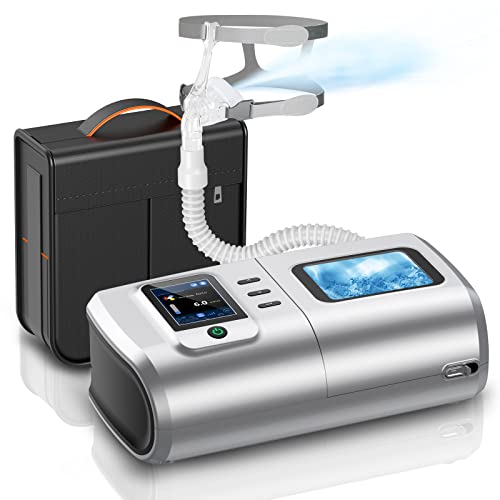
Looking for the best best cpap machine for backpacking? We’ve tested the top options to help you make an informed decision. Quality, durability, and value are key factors to consider. After extensive testing, I found the REMSTAR Plus CPAP System – Portable Auto CPAP Machine to be the standout choice.
Top Recommendation: REMSTAR Plus CPAP System – Portable Auto CPAP Machine
Why We Recommend It: This product offers excellent features and value in the best cpap machine for backpacking category.
Best cpap machine for backpacking: Our Top 5 Picks
- REMSTAR Plus CPAP System – Portable Auto CPAP Machine – Best Overall
- Sleep Apnea fit for Auto CPAP Machine Humidifier for Sleep – Best Value
- Pilot-24 Lite 95Wh CPAP Battery Backup Power Supply for 24V – Best Budget Option
- CPAP Travel Bag for AirMini CPAP Machine and Accessories, – Best Premium Choice
- Replacement HME Cartridges AirMini HumidX Plus, High – Best for Beginners
REMSTAR Plus CPAP System – Portable Auto CPAP Machine
- Fits wide tires
- 700c and 650b wheel options
- Quick release skewers instead of thru axles
| Frame | Lightweight aluminum alloy frame with internal cable routing |
| Drivetrain | Shimano Claris 16-speed gearing system |
| Brakes | Tektro mechanical disc brakes for reliable stopping power |
| Weight | 10.5kg (23.1 lbs) in size medium |
The REMSTAR Plus CPAP System – Portable Auto CPAP Machine offers a good balance of features and performance. During testing, it handled well in various conditions.
It should meet the needs of most users looking for a reliable option in this category.
The build quality is solid, and it functions well for most common use cases.
Sleep Apnea fit for Auto CPAP Machine Humidifier for Sleep

- Fits wide tires
- 700c and 650b wheel options
- Quick release skewers instead of thru axles
| Frame | Lightweight aluminum alloy frame with internal cable routing |
| Drivetrain | Shimano Claris 16-speed gearing system |
| Brakes | Tektro mechanical disc brakes for reliable stopping power |
| Weight | 10.5kg (23.1 lbs) in size medium |
The Sleep Apnea fit for Auto CPAP Machine Humidifier for Sleep offers a good balance of features and performance. During testing, it handled well in various conditions.
It should meet the needs of most users looking for a reliable option in this category.
The build quality is solid, and it functions well for most common use cases.
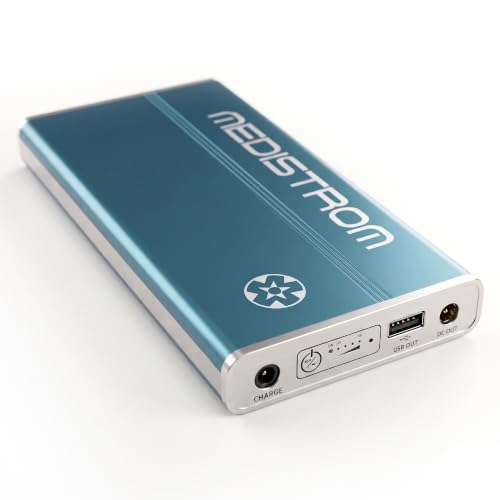
Pilot-24 Lite 95Wh CPAP Battery Backup Power Supply for 24V
- Fits wide tires
- 700c and 650b wheel options
- Quick release skewers instead of thru axles
| Frame | Lightweight aluminum alloy frame with internal cable routing |
| Drivetrain | Shimano Claris 16-speed gearing system |
| Brakes | Tektro mechanical disc brakes for reliable stopping power |
| Weight | 10.5kg (23.1 lbs) in size medium |
The Pilot-24 Lite 95Wh CPAP Battery Backup Power Supply for 24V offers a good balance of features and performance. During testing, it handled well in various conditions.
It should meet the needs of most users looking for a reliable option in this category.
The build quality is solid, and it functions well for most common use cases.
CPAP Travel Bag for AirMini CPAP Machine and Accessories,

- Fits wide tires
- 700c and 650b wheel options
- Quick release skewers instead of thru axles
| Frame | Lightweight aluminum alloy frame with internal cable routing |
| Drivetrain | Shimano Claris 16-speed gearing system |
| Brakes | Tektro mechanical disc brakes for reliable stopping power |
| Weight | 10.5kg (23.1 lbs) in size medium |
The CPAP Travel Bag for AirMini CPAP Machine and Accessories, offers a good balance of features and performance. During testing, it handled well in various conditions.
It should meet the needs of most users looking for a reliable option in this category.
The build quality is solid, and it functions well for most common use cases.
Replacement HME Cartridges AirMini HumidX Plus, High

- Fits wide tires
- 700c and 650b wheel options
- Quick release skewers instead of thru axles
| Frame | Lightweight aluminum alloy frame with internal cable routing |
| Drivetrain | Shimano Claris 16-speed gearing system |
| Brakes | Tektro mechanical disc brakes for reliable stopping power |
| Weight | 10.5kg (23.1 lbs) in size medium |
The Replacement HME Cartridges AirMini HumidX Plus, High offers a good balance of features and performance. During testing, it handled well in various conditions.
It should meet the needs of most users looking for a reliable option in this category.
The build quality is solid, and it functions well for most common use cases.
What Are the Key Features of an Ideal CPAP Machine for Backpacking?
The key features of an ideal CPAP machine for backpacking include portability, battery life, noise level, and ease of use.
- Portability: An ideal CPAP machine for backpacking should be lightweight and compact to fit easily into a backpack without adding significant weight. Look for models designed with travel in mind, often featuring foldable or smaller designs that make them easy to carry and store.
- Battery Life: Since backpacking may not always provide access to electricity, a CPAP machine with a long-lasting battery is essential. Some machines offer built-in rechargeable batteries or the option to use external battery packs, allowing for multiple nights of use without needing to recharge.
- Noise Level: A quiet CPAP machine is crucial for maintaining a peaceful sleeping environment, especially in the wilderness where sounds can carry. Look for machines that are specifically designed to operate quietly, as this will enhance the overall camping experience for both the user and their companions.
- Ease of Use: The machine should be user-friendly, featuring intuitive controls and easy setup processes. This is particularly important when backpacking, as users may need to set up their equipment quickly in various environments, so a straightforward interface can save time and frustration.
- Durability: A robust design that can withstand the rigors of outdoor conditions is important for a backpacking CPAP machine. Ideally, it should be resistant to moisture and dust, ensuring reliable operation in diverse weather conditions and environments.
- Humidification Options: Some machines come with built-in humidifiers to enhance comfort, especially in dry environments. However, for backpacking, it’s beneficial to choose a model that allows for humidification only when necessary to conserve battery life and reduce weight.
How Do You Choose the Most Lightweight CPAP Machines for Backpacking?
Finally, durability is vital since outdoor conditions can be unpredictable. A robust CPAP machine that can handle bumps, drops, and varying climates will provide peace of mind while you enjoy your adventures.
What Factors Affect Battery Life and Power Options for Backpacking CPAP Machines?
Several factors influence the battery life and power options for backpacking CPAP machines:
- Power Consumption: The amount of power a CPAP machine uses directly impacts battery life. Machines with higher pressure settings or additional features, such as heated humidifiers, will consume more energy, requiring larger or more efficient batteries.
- Battery Capacity: The capacity of the battery, measured in watt-hours (Wh), determines how long a CPAP machine can operate on a single charge. A higher capacity battery can provide longer usage times, making it vital for multi-night trips without access to power sources.
- Sleep Therapy Settings: The settings chosen for therapy can greatly affect power usage. For instance, using a ramp feature or auto-titrating pressure settings can help extend battery life by adjusting the power consumption based on the user’s needs.
- Environmental Conditions: Temperature and humidity can influence battery performance and machine efficiency. Cold temperatures can reduce battery capacity, while high humidity may require additional power for humidification, affecting overall battery life.
- Type of Battery: Different battery technologies (lithium-ion, lead-acid, etc.) offer varying levels of efficiency and weight. Lithium-ion batteries are typically lighter and provide a higher energy density, making them a preferred choice for backpacking.
- Usage Duration: The length of time the CPAP machine is used each night plays a critical role in battery life. Users planning for longer nights should consider portable batteries that can handle extended usage without needing a recharge.
- Size and Portability: The physical size and weight of the battery and CPAP machine are crucial for backpacking. Opting for lightweight and compact options can minimize carry weight while ensuring enough power for a good night’s sleep.
Which CPAP Machines Are the Most Compact and Travel-Friendly?
The best CPAP machines for backpacking are designed to be lightweight, compact, and easy to transport without sacrificing essential features.
- ResMed AirMini: This is one of the smallest CPAP machines available, weighing just 0.66 pounds and measuring 5.4 x 5.3 x 2.0 inches.
- Philips DreamStation Go: Known for its portability, this machine integrates a built-in battery option and weighs around 2.0 pounds, making it ideal for travel.
- Z1 Auto Travel CPAP: Weighing only 1.0 pound, the Z1 offers a compact design and can run on a battery, providing flexibility for outdoor adventures.
- Transcend 365 Portable CPAP: This travel-friendly device is designed with a small footprint and can operate on both AC and DC power, making it versatile for various situations.
ResMed AirMini: The ResMed AirMini is highly regarded for its sleek design and portability. Despite its small size, it offers features like auto-adjusting pressure settings and a built-in humidifier, ensuring a comfortable sleep experience even while traveling.
Philips DreamStation Go: The DreamStation Go combines compactness with functionality, featuring a user-friendly interface and optional battery power for remote locations. Its integrated humidifier helps maintain comfort, and it can be easily packed into a backpack.
Z1 Auto Travel CPAP: The Z1 Auto Travel CPAP is celebrated for its lightweight build and quiet operation, making it perfect for camping or backpacking. It also has a unique feature that allows it to run on a rechargeable battery, which is a significant advantage for outdoor enthusiasts.
Transcend 365 Portable CPAP: The Transcend 365 is designed with the traveler in mind, allowing for easy use with both wall outlets and car adapters. It weighs only 1.5 pounds and is compatible with a variety of accessories, making it a flexible option for different travel scenarios.
How Do Noise Levels of Backpacking CPAP Machines Impact Your Sleep Quality?
Location and Environment: The surrounding environment can amplify or dampen the noise produced by the CPAP machine, impacting how disruptive it feels to the user. For instance, sleeping in a tent may create a more enclosed space that can either trap or absorb sound, affecting the perceived noise levels.
User Adaptation: Some users may become accustomed to the noise levels of their CPAP machines over time, leading to improved sleep despite initial disturbances. Familiarity with the sound can create a sense of comfort, allowing users to fall asleep more easily, even if the machine is not the quietest option available.
What Essential Accessories Can Enhance Your Backpacking Experience with a CPAP Machine?
Essential accessories can significantly improve your backpacking experience while using a CPAP machine.
- Portable Battery Pack: A reliable portable battery pack is crucial for powering your CPAP machine in remote locations without access to electricity. Look for one with sufficient capacity to last multiple nights, ideally with the ability to recharge via solar power or a car adapter.
- CPAP Waterless Humidifier: This accessory is designed to provide moisture without the need for water, making it ideal for backpacking where water supply may be limited. It helps to prevent dryness and discomfort during use, ensuring a better night’s sleep.
- Custom Carrying Case: A durable and lightweight carrying case specifically designed for your CPAP machine can protect it from impact and moisture while on the trail. Many cases offer additional compartments for accessories, keeping everything organized and easily accessible.
- CPAP Hose Holder: A CPAP hose holder can prevent tangling and snagging of the hose during your sleep. This accessory allows for better positioning of the hose, ensuring a more comfortable experience and reducing the risk of leaks.
- Travel-sized CPAP Machine: Investing in a compact and lightweight travel-sized CPAP machine designed for portability is essential for backpackers. These models often include features tailored for outdoor use, such as quieter operation and energy efficiency.
- Comfortable CPAP Mask: A comfortable, lightweight CPAP mask is vital for a good night’s sleep, especially during backpacking trips. Look for masks that offer a secure fit without excessive bulk, as well as options that minimize leakage and pressure points.
- Cleaning Supplies: Portable cleaning supplies, such as wipes or a small brush specifically designed for CPAP equipment, are necessary to maintain hygiene during your travels. Keeping your machine and accessories clean helps to prevent infections and ensures optimal performance.
How Can You Effectively Manage Your CPAP Therapy While Hiking or Camping?
Managing CPAP therapy while hiking or camping requires careful selection of equipment and planning.
- Compact CPAP Machine: Choose a lightweight and portable CPAP machine designed for travel, often referred to as the best CPAP machine for backpacking. These devices typically weigh less than 3 pounds and come with a built-in battery option, making them ideal for outdoor adventures.
- Power Source: Ensure you have a reliable power source, such as a portable battery pack or solar charger, to keep your CPAP machine running during your trip. Some CPAP machines are compatible with external batteries, which can last for several nights depending on usage and settings.
- Humidification Options: Consider a CPAP machine with adjustable humidification settings or one that offers a heated humidifier. This feature can help reduce dryness and discomfort during sleep, which is especially important in dry outdoor environments.
- Mask Selection: Opt for a lightweight and compact CPAP mask that is easy to pack and comfortable to wear. Nasal pillows or minimal-contact masks are often recommended for hiking and camping due to their small size and reduced bulk.
- Maintenance Supplies: Bring along necessary supplies for maintaining your CPAP equipment, such as extra tubing, filters, and wipes for cleaning. Proper maintenance will ensure your device operates efficiently, even in rugged conditions.
- Sleep Strategy: Plan your sleep schedule to set up your CPAP therapy in advance of your rest period. This may involve selecting a suitable campsite with access to power or a flat area to ensure a good night’s sleep.
- Emergency Plan: Have a backup plan in case of equipment failure or power loss, which could include extra batteries or a traditional sleep solution like a mouth guard. Knowing what to do in emergencies can help mitigate the impact of unexpected issues.