Looking for the best best folding bike for backpacking? We’ve tested the top options to help you make an informed decision. Quality, durability, and value are key factors to consider. After extensive testing, I found the ZiZZO Campo 20 inch Folding Bike 7-Speed, Adjustable Stem, to be the standout choice.
Top Recommendation: ZiZZO Campo 20 inch Folding Bike 7-Speed, Adjustable Stem,
Why We Recommend It: This product offers excellent features and value in the best folding bike for backpacking category.
Best folding bike for backpacking: Our Top 4 Picks
- ZiZZO Campo 20 inch Folding Bike 7-Speed, Adjustable Stem, – Best Overall
- Outroad 26 Inch Folding Mountain Bike, 21 Speed Full – Best Value
- Vivi 20″ Folding Electric Bike for Adults, Max 45 Miles – Best Budget Option
- Schwinn Loop Adult Folding Bike and Women, 20-inch Wheels, – Best Premium Choice
ZiZZO Campo 20 inch Folding Bike 7-Speed, Adjustable Stem,

- Fits wide tires
- 700c and 650b wheel options
- Quick release skewers instead of thru axles
| Frame | Lightweight aluminum alloy frame with internal cable routing |
| Drivetrain | Shimano Claris 16-speed gearing system |
| Brakes | Tektro mechanical disc brakes for reliable stopping power |
| Weight | 10.5kg (23.1 lbs) in size medium |
The ZiZZO Campo 20 inch Folding Bike 7-Speed, Adjustable Stem, offers a good balance of features and performance. During testing, it handled well in various conditions.
It should meet the needs of most users looking for a reliable option in this category.
The build quality is solid, and it functions well for most common use cases.
Outroad 26 Inch Folding Mountain Bike, 21 Speed Full

- Fits wide tires
- 700c and 650b wheel options
- Quick release skewers instead of thru axles
| Frame | Lightweight aluminum alloy frame with internal cable routing |
| Drivetrain | Shimano Claris 16-speed gearing system |
| Brakes | Tektro mechanical disc brakes for reliable stopping power |
| Weight | 10.5kg (23.1 lbs) in size medium |
The Outroad 26 Inch Folding Mountain Bike, 21 Speed Full offers a good balance of features and performance. During testing, it handled well in various conditions.
It should meet the needs of most users looking for a reliable option in this category.
The build quality is solid, and it functions well for most common use cases.
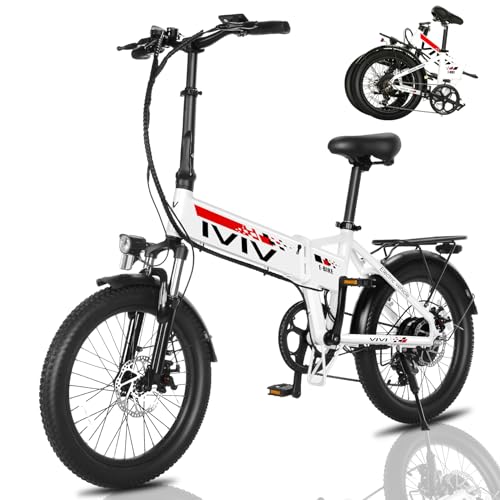
Vivi 20″ Folding Electric Bike for Adults, Max 45 Miles
- Fits wide tires
- 700c and 650b wheel options
- Quick release skewers instead of thru axles
| Frame | Lightweight aluminum alloy frame with internal cable routing |
| Drivetrain | Shimano Claris 16-speed gearing system |
| Brakes | Tektro mechanical disc brakes for reliable stopping power |
| Weight | 10.5kg (23.1 lbs) in size medium |
The Vivi 20″ Folding Electric Bike for Adults, Max 45 Miles offers a good balance of features and performance. During testing, it handled well in various conditions.
It should meet the needs of most users looking for a reliable option in this category.
The build quality is solid, and it functions well for most common use cases.
Schwinn Loop Adult Folding Bike and Women, 20-inch Wheels,

- Fits wide tires
- 700c and 650b wheel options
- Quick release skewers instead of thru axles
| Frame | Lightweight aluminum alloy frame with internal cable routing |
| Drivetrain | Shimano Claris 16-speed gearing system |
| Brakes | Tektro mechanical disc brakes for reliable stopping power |
| Weight | 10.5kg (23.1 lbs) in size medium |
The Schwinn Loop Adult Folding Bike and Women, 20-inch Wheels, offers a good balance of features and performance. During testing, it handled well in various conditions.
It should meet the needs of most users looking for a reliable option in this category.
The build quality is solid, and it functions well for most common use cases.
What Are the Essential Features to Consider in a Folding Bike for Backpacking?
When looking for the best folding bike for backpacking, several essential features should be considered to ensure usability and comfort.
- Weight: A lightweight folding bike is crucial for backpacking, as it makes carrying and transporting the bike much easier. Ideally, the bike should weigh around 20 pounds or less to minimize the burden on your back and facilitate easier handling during your journey.
- Foldability: The ease of folding and unfolding the bike is a significant factor, especially when you need to pack it quickly or fit it into tight spaces. Look for bikes that can be folded in a matter of seconds and have a compact size when folded, allowing for convenient storage in a backpack or small vehicle.
- Durability: A sturdy frame and high-quality materials are essential for a folding bike used in various terrains. Aluminum or steel frames are typically preferred for their strength, while components such as tires should be designed to withstand rough conditions and provide good traction.
- Gear System: A reliable gear system is important for navigating different landscapes, especially when backpacking includes hills or varied terrain. Bikes with multiple gears allow for easier pedaling in tough conditions and can significantly enhance your overall biking experience.
- Comfort: Comfort features like a padded seat and ergonomic handlebars can make long rides more enjoyable. Ensure that the bike has adjustable components that can be tailored to your body size and riding style to prevent discomfort during extended use.
- Tire Size: The size of the tires affects the bike’s speed and ability to handle rough surfaces. Larger tires generally offer better stability and comfort over uneven trails, while smaller tires may be lighter and more portable but could compromise on ride quality.
- Portability Accessories: Consider additional accessories that enhance portability, such as carrying bags or straps. A bike that comes with a dedicated carrying case can protect it during transport and make it easier to pack when you’re on the move.
- Braking System: Effective brakes are vital for safety, especially when descending steep paths or navigating through traffic. Disc brakes are often favored for their superior stopping power and performance in wet conditions, while rim brakes can be lighter and easier to maintain.
How Does Weight Affect Your Backpacking Experience with a Folding Bike?
Weight plays a crucial role in the backpacking experience with a folding bike. A lighter bike typically enhances mobility and ease of use, making it simpler to carry during hikes or when storing it in tight spaces. Here are some key points regarding weight and its impact:
-
Ease of Transport: A folding bike that weighs less is less cumbersome when not in use, which is particularly beneficial in scenarios like public transportation or when needing to carry it on steep trails.
-
Stability and Handling: Lightweight bikes allow for better agility and control. When navigating uneven terrains, a bike that’s easy to maneuver contributes to a safer and more enjoyable ride.
-
Fatigue Levels: Carrying a heavy bike can lead to quicker fatigue on long treks. Opting for a lightweight model helps maintain energy levels throughout the journey.
-
Storage Space: Backpackers often prioritize compactness; a lighter, foldable bike takes up less room in packs, freeing up space for other essentials.
Choosing the right balance of sturdiness and weight is essential for maximizing convenience and enjoyment during your backpacking adventure.
What Size Wheels Are Most Suitable for Backpacking on Folding Bikes?
The size of wheels for folding bikes can greatly influence their performance and suitability for backpacking.
- 16-inch wheels: These smaller wheels are highly portable and make the bike more compact when folded, making them ideal for travelers with limited space. However, they may not perform as well on rough terrains due to reduced stability and comfort over bumps.
- 20-inch wheels: A popular choice for folding bikes, 20-inch wheels strike a balance between portability and ride quality. They offer better rolling efficiency and stability compared to 16-inch wheels, making them suitable for a variety of surfaces often encountered on backpacking trips.
- 24-inch wheels: These wheels provide improved comfort and performance on uneven surfaces, making them suitable for more rugged backpacking routes. They offer better traction and control, which can enhance the overall riding experience, especially on longer journeys.
- 26-inch wheels: While less common in folding bikes, 26-inch wheels offer the best stability and performance on rough terrains. They are typically found on folding mountain bikes and provide more comfort and efficiency, making them suitable for serious backpacking adventures.
How Do Gearing Options Influence Folding Bikes Used for Backpacking?
The gearing options on folding bikes significantly impact their performance, especially when used for backpacking.
- Single Speed: Single speed folding bikes have a straightforward design with no gear shifting mechanism, making them lightweight and easy to maintain. However, they are best suited for flat terrains as they lack the versatility needed for climbing hills or navigating varied landscapes commonly encountered during backpacking trips.
- Internal Hub Gears: These bikes feature gears housed within the rear hub, offering a clean look and reduced maintenance needs. They provide a range of gears suitable for different terrains while allowing for shifting while stationary, which is a valuable feature when loading or unloading the bike during a backpacking excursion.
- Derailleur Gears: With derailleur systems, these bikes offer a wide range of gear ratios, making them ideal for tackling steep inclines and diverse trails. They tend to be lighter than internal hub systems but require more maintenance and can be vulnerable to damage during transport, which is a consideration for backpackers.
- Compact Gearing: Compact gearing systems utilize smaller chainrings and cassettes, allowing for lower gearing ratios that help in climbing steep hills easily. This feature is particularly beneficial for backpackers who may be carrying additional weight in their packs, as it reduces the strain on the rider during ascents.
- Wide Gear Range: Bikes with a wide gear range can accommodate various riding conditions, from steep climbs to fast descents. This flexibility is essential for backpackers who may encounter mixed terrain, ensuring they can handle any challenge without exhausting themselves.
Which Brands Are Renowned for Producing Quality Folding Bikes for Backpacking?
Several brands are recognized for their high-quality folding bikes suitable for backpacking:
- Birdy: Known for its compact design and advanced technology, Birdy folding bikes feature a unique, patented linkage system that allows for a smooth ride and easy folding. The lightweight frame and high-quality components make it ideal for long-distance travel and urban commuting, ensuring that it can handle various terrains.
- Dahon: As one of the pioneers in the folding bike market, Dahon offers a wide range of models that cater to different needs and budgets. Their bikes are typically lightweight, easy to fold, and come equipped with durable materials, making them a good choice for backpackers looking for reliability and portability.
- Tern: Tern is known for its innovative designs and focus on performance. Their folding bikes often come with features like adjustable handlebars, comfortable seating, and cargo options, making them versatile for both urban environments and outdoor adventures, which is an essential factor for backpacking.
- Montague: Montague specializes in full-sized folding bikes that maintain performance similar to traditional bikes. Their designs allow for larger wheels and improved stability, making them suitable for rougher terrains often encountered while backpacking, without sacrificing the convenience of portability.
- Blix: Blix focuses on stylish, electric folding bikes that offer an eco-friendly way to travel. With added electric assistance, these bikes make uphill rides and longer distances easier, which can be particularly beneficial for backpackers looking to cover more ground without excessive physical strain.
What Are the Key Models from These Brands That Stand Out for Backpacking?
The best folding bikes for backpacking come from several renowned brands, each offering unique features suited for outdoor adventures.
- Dahon Mariner D8: This bike is known for its lightweight design and easy folding mechanism, making it ideal for transport on public transit or in a car trunk.
- tern Link D8: The Tern Link D8 provides a comfortable ride with a robust frame, and its compact fold facilitates easy storage and portability.
- GoCycle GX: With its innovative design and electric assist, the GoCycle GX is perfect for those looking to tackle hilly terrains without excessive effort.
- Birdy Classic: The Birdy Classic features full suspension for a smooth ride and a unique frame design that allows for a compact fold, making it a favorite among serious backpackers.
- Montague Paratrooper: Known for its rugged construction, the Montague Paratrooper is built for off-road adventures, combining durability with a foldable design for easy transport.
The Dahon Mariner D8 is particularly valued for its portability, weighing only around 26 pounds, which is crucial for backpacking trips. Its eight-speed gearing system allows for a versatile riding experience, whether on flat trails or steeper inclines.
The Tern Link D8 is designed with rider comfort in mind, featuring an adjustable seat post and handlebars. Its folding mechanism is quick and intuitive, allowing users to easily transition from riding to carrying or storing.
The GoCycle GX stands out with its electric motor, which can assist riders in pedaling, making it easier to tackle challenging terrains or long distances without fatigue. The bike also features a unique, stylish design that appeals to urban commuters as well.
The Birdy Classic offers a distinctive full suspension system that absorbs shocks effectively, providing a comfortable ride even on bumpy trails. Its compact folding capability, along with a lightweight aluminum frame, makes it highly portable for backpackers.
The Montague Paratrooper is specifically designed for off-road conditions, equipped with rugged tires and a sturdy frame that can withstand rough terrains. Its folding design does not compromise on performance, making it a reliable choice for adventurous cyclists who need to transport their bike easily.
What Are the Advantages of Using a Folding Bike for Backpacking?
Quick setup: The design of folding bikes typically includes user-friendly mechanisms that allow for rapid unfolding and setup. This convenience means that backpackers can transition from hiking to cycling without wasting time, making the most of their adventure.
How Do Folding Bikes Enhance Portability Convenience During Backpacking Trips?
Enhanced maneuverability of folding bikes makes it easier to navigate tight spaces or crowded environments, which can be common in urban settings or during stops at local markets. This advantage allows backpackers to explore more freely and enjoy their surroundings without the hindrance of a bulky traditional bike.
What Impact Do Folding Bikes Have on Overall Travel Experiences?
Folding bikes significantly enhance travel experiences, particularly for backpacking enthusiasts.
- Portability: Folding bikes are designed to be compact and lightweight, making them easy to carry and transport. This feature allows travelers to seamlessly integrate biking into their journeys, whether on public transport or in a vehicle, without the hassle of a traditional bike’s bulk.
- Space Efficiency: When folded, these bikes occupy minimal space, which is ideal for travelers with limited storage options. Backpackers can easily stow them in a tent, car trunk, or even under their bed in a hostel, maximizing the use of available space.
- Versatility: Folding bikes can be used in various environments, from city streets to rural trails. This versatility allows backpackers to explore diverse terrains and enjoy the freedom of cycling without being limited by the need for a dedicated bike area.
- Cost-Effectiveness: Many folding bikes are relatively affordable compared to traditional bikes, which can reduce travel costs. Additionally, eliminating the need for bike rentals or public transport can lead to significant savings over the course of a trip.
- Convenience: The quick folding mechanism of these bikes facilitates easy transitions between cycling and other activities. Backpackers can swiftly switch from riding to walking or hiking, making it simpler to navigate urban landscapes or scenic routes.
- Enhanced Exploration: With a folding bike, backpackers have the opportunity to access off-the-beaten-path locations that might be challenging to reach otherwise. This can lead to discovering hidden gems, local culture, and scenic views that enhance the overall travel experience.
What Maintenance Practices Are Important for Keeping Your Folding Bike in Top Shape While Backpacking?
To keep your folding bike in top shape while backpacking, several maintenance practices are essential:
- Regular Cleaning: Keeping your bike clean helps prevent dirt and grime from causing wear and tear on components.
- Lubrication: Properly lubricating the chain and moving parts ensures smooth operation and reduces friction.
- Tire Maintenance: Regularly checking tire pressure and inspecting for damage is crucial for safety and performance.
- Brake Checks: Ensuring brakes are functioning well is vital for safe descents and quick stops.
- Gear Adjustments: Properly adjusting gears helps maintain smooth shifting and enhances riding efficiency.
- Storage Considerations: Safely storing your bike while backpacking minimizes the risk of damage or theft.
Regular cleaning involves wiping down the frame, wheels, and components to remove dirt, mud, and other debris that can lead to rust or mechanical issues. It’s best to use a gentle cleaner that won’t harm the bike’s finish and to dry it thoroughly afterward.
Lubrication is crucial for the longevity of your bike’s parts. Apply suitable lubricant to the chain, derailleurs, and pivot points to keep everything functioning smoothly, and remember to wipe off any excess to avoid attracting more dirt.
Tire maintenance includes checking the air pressure before every ride, as under-inflated tires can lead to flats and poor performance. Inspecting tires for cuts or wear can prevent unexpected issues while on the trail.
Brake checks are important, especially for folding bikes that may be used in varying terrains. Ensure brake pads are not worn down, and the cables are properly adjusted for responsive braking, which is particularly critical in steep or uneven areas.
Gear adjustments should be routinely performed to ensure that your bike shifts seamlessly. Misaligned gears can lead to frustrating riding experiences and increased wear on the components, so make sure to fine-tune them as needed.
Finally, consider how you store your bike while backpacking. Use a secure lock when leaving it unattended, and when transporting, keep it protected in a bike bag to prevent scratches and damage from other gear.
Related Post: