Looking for the best best first aid for backpacking? We’ve tested the top options to help you make an informed decision. Quality, durability, and value are key factors to consider. After extensive testing, I found the Mini First Aid Kit – 150 Piece Small Waterproof EVA Hard to be the standout choice.
Top Recommendation: Mini First Aid Kit – 150 Piece Small Waterproof EVA Hard
Why We Recommend It: This product offers excellent features and value in the best first aid for backpacking category.
Best first aid for backpacking: Our Top 4 Picks
- Mini First Aid Kit – 150 Piece Small Waterproof EVA Hard – Best Overall
- EVERLIT Ultralight Mini First Aid Kit, EDC Medical Kit, – Best Value
- 211 PCS Waterproof First Aid Kit, Emergency Supplies for – Best Budget Option
- General Medi Mini First Aid Kit, 110 Piece Small First Aid – Best Premium Choice
Mini First Aid Kit – 150 Piece Small Waterproof EVA Hard

- Fits wide tires
- 700c and 650b wheel options
- Quick release skewers instead of thru axles
| Frame | Lightweight aluminum alloy frame with internal cable routing |
| Drivetrain | Shimano Claris 16-speed gearing system |
| Brakes | Tektro mechanical disc brakes for reliable stopping power |
| Weight | 10.5kg (23.1 lbs) in size medium |
The Mini First Aid Kit – 150 Piece Small Waterproof EVA Hard offers a good balance of features and performance. During testing, it handled well in various conditions.
It should meet the needs of most users looking for a reliable option in this category.
The build quality is solid, and it functions well for most common use cases.
EVERLIT Ultralight Mini First Aid Kit, EDC Medical Kit,

- Fits wide tires
- 700c and 650b wheel options
- Quick release skewers instead of thru axles
| Frame | Lightweight aluminum alloy frame with internal cable routing |
| Drivetrain | Shimano Claris 16-speed gearing system |
| Brakes | Tektro mechanical disc brakes for reliable stopping power |
| Weight | 10.5kg (23.1 lbs) in size medium |
The EVERLIT Ultralight Mini First Aid Kit, EDC Medical Kit, offers a good balance of features and performance. During testing, it handled well in various conditions.
It should meet the needs of most users looking for a reliable option in this category.
The build quality is solid, and it functions well for most common use cases.
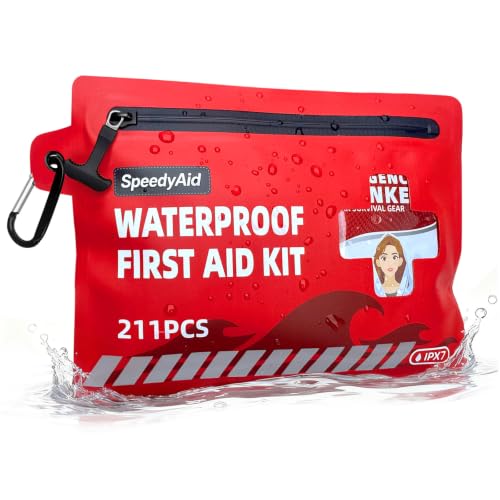
211 PCS Waterproof First Aid Kit, Emergency Supplies for
- Fits wide tires
- 700c and 650b wheel options
- Quick release skewers instead of thru axles
| Frame | Lightweight aluminum alloy frame with internal cable routing |
| Drivetrain | Shimano Claris 16-speed gearing system |
| Brakes | Tektro mechanical disc brakes for reliable stopping power |
| Weight | 10.5kg (23.1 lbs) in size medium |
The 211 PCS Waterproof First Aid Kit, Emergency Supplies for offers a good balance of features and performance. During testing, it handled well in various conditions.
It should meet the needs of most users looking for a reliable option in this category.
The build quality is solid, and it functions well for most common use cases.
General Medi Mini First Aid Kit, 110 Piece Small First Aid

- Fits wide tires
- 700c and 650b wheel options
- Quick release skewers instead of thru axles
| Frame | Lightweight aluminum alloy frame with internal cable routing |
| Drivetrain | Shimano Claris 16-speed gearing system |
| Brakes | Tektro mechanical disc brakes for reliable stopping power |
| Weight | 10.5kg (23.1 lbs) in size medium |
The General Medi Mini First Aid Kit, 110 Piece Small First Aid offers a good balance of features and performance. During testing, it handled well in various conditions.
It should meet the needs of most users looking for a reliable option in this category.
The build quality is solid, and it functions well for most common use cases.
What Should You Include in the Best First Aid Kit for Backpacking?
The best first aid kit for backpacking should be comprehensive yet compact, ensuring you are prepared for various emergencies while keeping your pack lightweight.
- Adhesive Bandages: These are essential for covering small cuts and abrasions, helping to protect wounds from dirt and bacteria. They come in various sizes to accommodate different types of injuries.
- Antiseptic Wipes: These wipes are crucial for cleaning wounds before applying a bandage, reducing the risk of infection. They are portable and easy to use, making them ideal for outdoor settings.
- Gauze Pads and Tape: Gauze pads are necessary for larger wounds that need more protection and absorption. When combined with medical tape, they can secure the gauze in place effectively.
- Elastic Bandage (e.g., Ace bandage): Useful for wrapping sprains or strains, this bandage provides support and compression to injured areas. Its flexibility makes it suitable for various body parts.
- Tweezers: A multi-purpose tool, tweezers can help remove splinters, ticks, or small debris from wounds. They should be made of stainless steel to ensure durability and ease of cleaning.
- Scissors: A pair of small, sturdy scissors can be invaluable for cutting tape, gauze, or clothing in emergencies. They should be lightweight and easy to handle for quick access.
- Pain Relievers (e.g., Ibuprofen, Acetaminophen): Carrying over-the-counter pain relievers can help manage pain from headaches, muscle soreness, or injuries. They provide essential relief so you can continue your outdoor activities comfortably.
- Antihistamines: These medications are important for treating allergic reactions, insect bites, or stings. They can help alleviate symptoms like itching, swelling, and redness, ensuring a more enjoyable experience.
- Instant Cold Packs: These packs can be activated to provide immediate cold therapy for swelling or pain relief from injuries. They are lightweight and take up minimal space in your kit.
- First Aid Manual or Guide: A small, portable first aid manual can be invaluable for quick reference in emergencies. It can provide step-by-step instructions for treating various injuries or conditions, making it an essential educational resource.
- Emergency Blanket: This compact blanket can help retain body heat in case of shock or hypothermia. Its reflective surface is designed to reflect heat back to the body, making it a lifesaver in cold conditions.
- CPR Face Shield or Mask: This protective barrier is essential for performing CPR safely, preventing direct contact with bodily fluids. It’s a critical item for ensuring safety during emergency resuscitation efforts.
- Hydrocortisone Cream: This cream can be used to relieve itching and inflammation from insect bites or rashes. It is effective for reducing discomfort and promoting healing in minor skin irritations.
What Are the Most Common Injuries Faced While Backpacking?
The most common injuries faced while backpacking include:
- Sprains and Strains: These injuries often occur due to uneven terrain or overexertion, leading to stretched or torn ligaments and muscles. Proper footwear and warm-up exercises can help prevent these injuries, but they are still prevalent among hikers.
- Blisters: Caused by friction between the skin and footwear, blisters can become painful and limit mobility. They are particularly common on long hikes and can be mitigated by wearing well-fitted shoes and moisture-wicking socks.
- Cuts and Scrapes: These are frequent when navigating through brush, rocks, or during falls. While they may seem minor, they can lead to infections if not cleaned properly, making a well-stocked first aid kit essential for backpackers.
- Dehydration: This condition can arise from inadequate fluid intake while on the trail, especially in hot weather. Symptoms include fatigue, dizziness, and headaches; thus, maintaining proper hydration is crucial for overall health during hikes.
- Sunburn: Prolonged exposure to the sun without adequate skin protection can lead to sunburn, which can be painful and damaging. Using sunscreen, wearing hats, and seeking shade during peak sun hours can help prevent this injury.
- Insect Bites: Hikers are often exposed to various insects that can cause bites or stings, leading to allergic reactions or infections. Carrying insect repellent and knowing how to treat bites is important for managing this risk.
- Hypothermia: This serious condition occurs when the body loses heat faster than it can produce it, often due to wet or cold weather. Recognizing the early signs and having proper gear can help prevent hypothermia during backpacking trips.
- Altitude Sickness: As backpackers ascend to higher elevations, they may experience symptoms such as headaches, nausea, or fatigue due to reduced oxygen levels. Gradual acclimatization and staying hydrated are key strategies to avoid this condition.
How Should You Treat Cuts and Scrapes on the Trail?
When treating cuts and scrapes on the trail, it’s essential to follow proper first aid protocols to prevent infection and promote healing.
- Clean the Wound: Start by rinsing the cut or scrape with clean water to remove dirt and debris.
- Apply Antiseptic: After cleaning, apply an antiseptic solution or wipes to disinfect the area and reduce the risk of infection.
- Dress the Wound: Cover the wound with a sterile bandage or adhesive dressing to protect it from further injury and dirt.
- Monitor for Infection: Keep an eye on the wound for signs of infection, such as increased redness, swelling, or pus.
- Keep it Dry and Clean: Change the dressing regularly, especially if it becomes wet or dirty, and avoid soaking the wound in water.
Cleaning the wound is the first and most crucial step; using clean water will help ensure that any bacteria or foreign particles are removed to minimize the chance of infection. If water is limited, using a damp cloth or a commercial wound cleanser can also be an alternative.
After cleaning, applying antiseptic is vital as it helps kill any remaining germs on the skin. Common antiseptic options include iodine solutions or alcohol wipes, but it’s essential to ensure that the antiseptic used is suitable for open wounds to avoid irritation.
Dressing the wound is equally important, as it provides a barrier against external contaminants while also promoting a moist healing environment. Use sterile bandages and ensure they are securely fastened to avoid coming off during activity.
Monitoring for infection is critical, especially in outdoor settings where exposure to bacteria is heightened. Look out for symptoms such as increased pain, swelling, and discoloration, which may indicate that the wound needs medical attention.
Finally, keeping the wound dry and clean is essential for healing. Change dressings promptly and avoid submerging the wound in water, such as during swimming or bathing, to prevent introducing new bacteria.
What Steps Should You Follow for Sprains and Strains During a Hike?
The best first aid steps for sprains and strains during a hike include immediate care techniques that can help alleviate pain and prevent further injury.
- Rest: Stop any physical activity immediately to prevent further damage to the affected area.
- Ice: Apply ice packs or cold compresses to the injured area for 15-20 minutes every hour to reduce swelling and numb pain.
- Compression: Use an elastic bandage to wrap the injured area to help control swelling and provide support.
- Elevation: Keep the injured area elevated above heart level to minimize swelling and promote blood circulation.
- Over-the-counter pain relief: Take non-steroidal anti-inflammatory drugs (NSAIDs) like ibuprofen or naproxen to manage pain and decrease inflammation.
- Assess for severity: Evaluate whether further medical attention is needed based on the severity of the injury and associated symptoms.
Rest is crucial as it allows the body to begin the healing process without additional strain on the injured area, which can lead to worse damage if not addressed promptly.
Applying ice can significantly help in managing swelling and pain, as the cold constricts blood vessels, reducing inflammation and numbing the area temporarily.
Compression through an elastic bandage helps stabilize the injury while also controlling swelling, as it applies gentle pressure to the affected area.
Elevation is important because it helps reduce swelling by allowing fluids to drain away from the injury site, aiding in recovery.
Over-the-counter pain relief options are beneficial in managing discomfort and allowing the hiker to continue their journey with less pain.
Lastly, assessing the severity of the injury is crucial; if there are signs of a fracture or if pain persists, seeking professional medical assistance is necessary to ensure proper treatment and recovery.
How Can You Effectively Manage Insect Bites and Allergic Reactions in the Wilderness?
Managing insect bites and allergic reactions in the wilderness is crucial for a safe and enjoyable backpacking experience.
- Insect Repellent: Using a high-quality insect repellent containing DEET or picaridin can significantly reduce the risk of bites from mosquitoes and ticks, which are common in many outdoor areas.
- Antihistamines: Carrying over-the-counter antihistamines, such as diphenhydramine, can help alleviate symptoms of allergic reactions, including itching, swelling, and redness associated with insect bites.
- Topical Corticosteroids: Applying a topical corticosteroid cream can help reduce inflammation and itching caused by insect bites, offering quick relief in the field.
- Ice Packs: A makeshift ice pack can be created with a wet cloth or by using snow, which can help numb the area and reduce swelling and pain from bites.
- Emergency Epinephrine Auto-Injectors: For those with known severe allergies, carrying an epinephrine auto-injector is essential, as it can quickly counteract anaphylactic reactions to insect stings.
- First Aid Kit: A well-stocked first aid kit should include items specifically for treating insect bites, such as bite relief pads and antiseptic wipes, to clean the area and prevent infection.
- Self-Assessment and Monitoring: Regularly check for signs of allergic reactions, such as hives, difficulty breathing, or swelling, and be prepared to seek help if symptoms worsen.
Insect repellent is essential for preventing bites in the first place; applying it before entering high-risk areas can save you from discomfort later. Antihistamines are particularly useful for those who may not know they are allergic, as they can provide relief from unexpected reactions.
Topical corticosteroids help manage inflammation and provide symptomatic relief, making them valuable for treating bites that have already occurred. Ice packs are a simple yet effective way to control swelling and pain, and can be easily improvised with natural materials found in the wilderness.
For individuals with a history of severe allergic reactions, having emergency epinephrine auto-injectors on hand can be life-saving, allowing for prompt treatment of anaphylaxis. A well-stocked first aid kit ensures you are prepared for a variety of situations, including insect bites, and allows for proper wound care.
Lastly, self-assessment and monitoring are vital; being aware of your body’s reactions can help you react quickly to any developing allergic symptoms, ensuring a safer backpacking experience.
What Essential First Aid Skills Should You Master for Backpacking?
When preparing for backpacking, mastering essential first aid skills can significantly enhance your safety and preparedness in the wilderness.
- Wound Care: Knowing how to clean and dress wounds is crucial to prevent infection and promote healing. You should be familiar with using antiseptics, applying sterile dressings, and recognizing when a wound requires medical attention.
- CPR (Cardiopulmonary Resuscitation): CPR is a lifesaving technique used in emergencies when someone’s heartbeat or breathing has stopped. Mastering chest compressions and rescue breaths can greatly increase the chances of survival until professional help arrives.
- Splinting Fractures: Understanding how to immobilize a broken limb with a splint is essential to prevent further injury while awaiting help. You can use materials found in nature, like sturdy sticks or rolled-up clothing, to stabilize the fracture.
- Recognizing and Treating Hypothermia and Heat Exhaustion: Knowing the signs of these two conditions can help you respond effectively to temperature-related emergencies. Treatment includes rewarming techniques for hypothermia and hydration and cooling measures for heat exhaustion.
- Dealing with Allergic Reactions: Being able to identify and respond to allergic reactions is important, especially in areas where exposure to allergens is possible. Carrying an epinephrine auto-injector and knowing how to use it can be life-saving for those with severe allergies.
- Managing Sprains and Strains: Recognizing how to treat sprains and strains can prevent worsening injuries during your trip. Techniques like RICE (Rest, Ice, Compression, Elevation) can help reduce pain and swelling.
- Basic Medication Administration: Familiarity with over-the-counter medications, such as pain relievers and antihistamines, can be helpful for managing common ailments. It’s essential to understand dosages and potential side effects before administering any medication.
- Using a First Aid Kit: Knowing the contents of your first aid kit and how to utilize each item is vital for effective treatment. Regularly checking and restocking your kit ensures you are prepared for a variety of injuries and emergencies.
How Can You Best Prepare for Emergencies While Backpacking?
To best prepare for emergencies while backpacking, it’s essential to have a well-thought-out first aid kit and knowledge of how to use its contents effectively.
- Basic First Aid Supplies: Include adhesive bandages, gauze pads, antiseptic wipes, and medical tape.
- Medications: Pack over-the-counter medications such as pain relievers, antihistamines, and any personal prescription medications.
- Emergency Tools: Carry a multi-tool or knife, a whistle, and a space blanket for emergency situations.
- Wound Care Items: Bring items specifically for treating blisters and cuts, such as blister pads and sterile dressings.
- Navigation and Communication: Have a map, compass, or GPS device along with a fully charged power bank for communication devices.
Basic first aid supplies are crucial for treating minor injuries and preventing infections. Adhesive bandages and gauze pads can be used to cover wounds, while antiseptic wipes help clean cuts and scrapes before dressing them.
Medications are vital for managing pain, allergic reactions, or any pre-existing conditions that may flare up during your trip. Over-the-counter pain relievers, like ibuprofen or acetaminophen, are essential, along with antihistamines for allergic reactions, and any personal prescriptions to ensure you have what you need.
Emergency tools, including a multi-tool, whistle, and space blanket, can make a significant difference in survival situations. A multi-tool can assist in repairs and first aid, while a whistle can help signal for help, and a space blanket retains body heat in cold environments.
Wound care items, such as blister pads and sterile dressings, are important for treating injuries specific to hiking and backpacking. Blisters from long treks can hinder your journey, so having proper care items will ensure you can manage these injuries effectively.
Navigation and communication tools are essential for safety in the backcountry. A map and compass, or a GPS device, can prevent you from getting lost, while a power bank ensures your phone or satellite communicator remains charged for emergencies.
What Safety Precautions Should You Implement Before Your Trip?
Before embarking on a backpacking trip, it’s crucial to implement various safety precautions, particularly regarding first aid preparedness.
- Comprehensive First Aid Kit: A well-stocked first aid kit is essential for treating minor injuries and ailments you may encounter while backpacking.
- Wilderness First Aid Training: Completing a wilderness first aid course can equip you with the skills to handle medical emergencies in remote locations.
- Emergency Contact Plan: Establishing an emergency contact plan ensures that someone outside of your group knows your itinerary and can alert authorities if needed.
- Personal Medications: Carrying any personal medications, alongside a list of allergies and medical conditions, is vital for your safety during the trip.
- Knowledge of Local Wildlife: Understanding the local wildlife and potential hazards can help you avoid dangerous encounters and know how to respond if they occur.
- Proper Gear and Clothing: Ensuring you have the right gear and clothing for the environment will help prevent injuries and health issues related to exposure.
- Map and Navigation Tools: Having a physical map and navigation tools can prevent you from getting lost and help you find the nearest help in case of an emergency.
A comprehensive first aid kit should include items like bandages, antiseptic wipes, pain relievers, and blister treatment, enabling you to manage minor injuries effectively. It’s important to customize your kit based on the specific needs of your group and the duration of your trip.
Wilderness first aid training provides participants with essential skills such as how to stabilize a fracture, manage dehydration, and perform CPR in a remote setting where professional help may be hours away. This training can be invaluable in ensuring that you can respond appropriately to a variety of emergencies.
Establishing an emergency contact plan involves designating a person who will be informed of your trip details, including your route and expected return time. This ensures that if something goes wrong, someone will know to seek help on your behalf.
Personal medications should be packed in sufficient quantities, along with a detailed list of your medical conditions and allergies, so that anyone assisting you can provide the right care in case of an emergency. This is especially important for individuals with chronic health issues or severe allergies.
Knowledge of local wildlife, such as bears or snakes, can guide your behavior in the backcountry and prepare you for encounters, including how to react if you come across them. Being informed can significantly reduce the risk of dangerous situations.
Proper gear and clothing are crucial for protecting against the elements, whether it’s sunburn, hypothermia, or insect bites. Researching the weather and terrain beforehand can help you pack appropriate items that keep you safe and comfortable.
Having a physical map and navigation tools, such as a compass or GPS device, enhances your ability to stay oriented and find your way back to marked trails or help if necessary. Relying solely on electronic devices can be risky if they malfunction or run out of battery.
How Should You Communicate in Case of a Backpacking Emergency?
Effective communication during a backpacking emergency is crucial for ensuring safety and receiving help.
- Stay Calm: Maintaining composure is essential as panic can cloud judgment. By staying calm, you can assess the situation more clearly and communicate your needs more effectively.
- Use Clear Language: When describing the emergency, use straightforward and concise language. Avoid jargon and ensure that the message is easily understood by the person you are communicating with, whether it’s a fellow hiker or a rescue team.
- Provide Specific Details: Include specific information such as your location, the nature of the emergency, and the number of people involved. This helps rescuers to plan and respond appropriately to the situation.
- Utilize Technology: If available, use devices like a mobile phone or satellite communicator to reach out for help. Ensure that your device is charged and that you know how to use it to send your GPS coordinates or details about your condition.
- Establish a Signal: If you are unable to communicate verbally, establish a clear visual signal that indicates distress, such as a whistle, bright clothing, or a signal mirror. This can attract attention and help rescuers locate you more quickly.
- Involve Others: If you are hiking with a group, delegate communication tasks to other members. This can help ensure that all aspects of the emergency are covered, and you can manage the situation more effectively as a team.
What Resources Are Available to Help You Learn More About Wilderness First Aid?
Several valuable resources can enhance your knowledge of wilderness first aid, particularly for backpacking scenarios:
- Wilderness First Aid Courses: These hands-on courses are often offered by organizations like the Wilderness Medicine Institute and the National Outdoor Leadership School (NOLS). They provide practical skills and knowledge tailored for remote settings, focusing on scenarios you might encounter while backpacking.
- Books and Manuals: Titles such as “Wilderness First Aid: A Waterproof Pocket Guide” and “Wilderness Medicine” by William W. Forgey offer in-depth information on treating injuries and illnesses in the wild. These resources often include illustrations and step-by-step protocols that make them easy to reference in emergencies.
- Online Learning Platforms: Websites like Coursera and Udemy offer courses on wilderness first aid, allowing you to learn at your own pace. These courses often feature video content and quizzes to test your knowledge, making them an accessible option for many learners.
- Mobile Apps: Applications such as “Wilderness First Aid” and “First Aid by American Red Cross” can be invaluable tools when you’re out in the field. They typically include first aid protocols, symptom checkers, and emergency contact information, ensuring you have essential information at your fingertips.
- YouTube Tutorials: Many experienced outdoor educators share practical first aid techniques through video tutorials on platforms like YouTube. These visual demonstrations can help you learn how to perform specific procedures, such as splinting a fracture or managing a wound, in a more engaging format.
- Local Outdoor Clubs and Community Workshops: Joining local outdoor clubs or attending workshops can connect you with experienced backpackers and first aid instructors. These community resources often provide hands-on training and real-life scenarios that help reinforce your skills in a supportive environment.