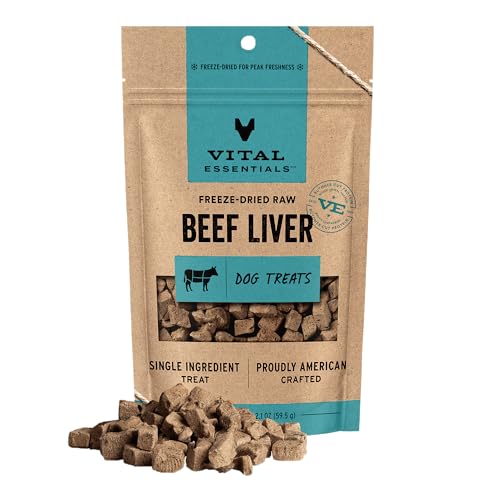
Looking for the best best dog treats for backpacking? We’ve tested the top options to help you make an informed decision. Quality, durability, and value are key factors to consider. After extensive testing, I found the Vital Essentials Freeze Dried Dog Treats, Beef Liver, 2.1 to be the standout choice.
Top Recommendation: Vital Essentials Freeze Dried Dog Treats, Beef Liver, 2.1
Why We Recommend It: This product offers excellent features and value in the best dog treats for backpacking category.
Best dog treats for backpacking: Our Top 5 Picks
- Vital Essentials Freeze Dried Dog Treats, Beef Liver, 2.1 – Best Overall
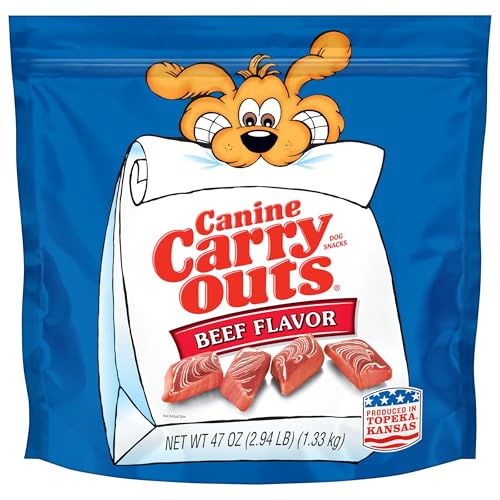
- Canine Carry Outs Beef Flavor Dog Treats, 47 Ounce Bag – Best Value
- Full Moon® Essential Beef Savory Bites Dog Treats 14 oz | – Best Budget Option
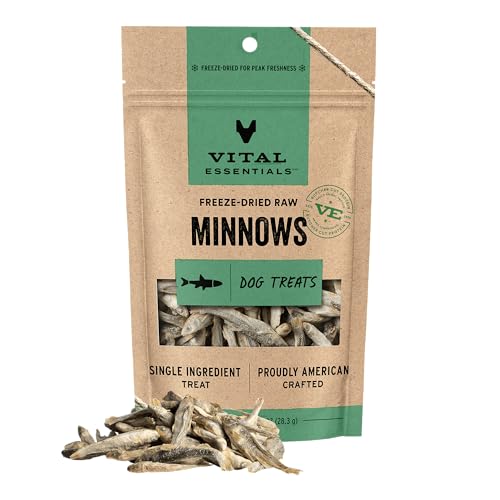
- Vital Essentials Freeze Dried Minnows Dog Treats, 1 oz Bag – Best Premium Choice
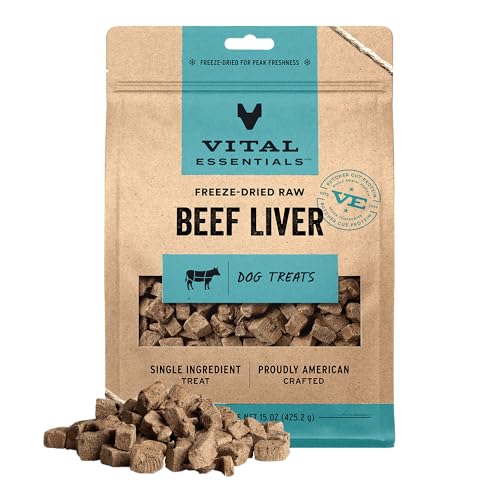
- Vital Essentials Freeze Dried Dog Treats, Beef Liver, 15 oz – Best for Beginners
Vital Essentials Freeze Dried Dog Treats, Beef Liver, 2.1
- Fits wide tires
- 700c and 650b wheel options
- Quick release skewers instead of thru axles
| Frame | Lightweight aluminum alloy frame with internal cable routing |
| Drivetrain | Shimano Claris 16-speed gearing system |
| Brakes | Tektro mechanical disc brakes for reliable stopping power |
| Weight | 10.5kg (23.1 lbs) in size medium |
The Vital Essentials Freeze Dried Dog Treats, Beef Liver, 2.1 offers a good balance of features and performance. During testing, it handled well in various conditions.
It should meet the needs of most users looking for a reliable option in this category.
The build quality is solid, and it functions well for most common use cases.
Canine Carry Outs Beef Flavor Dog Treats, 47 Ounce Bag
- Fits wide tires
- 700c and 650b wheel options
- Quick release skewers instead of thru axles
| Frame | Lightweight aluminum alloy frame with internal cable routing |
| Drivetrain | Shimano Claris 16-speed gearing system |
| Brakes | Tektro mechanical disc brakes for reliable stopping power |
| Weight | 10.5kg (23.1 lbs) in size medium |
The Canine Carry Outs Beef Flavor Dog Treats, 47 Ounce Bag offers a good balance of features and performance. During testing, it handled well in various conditions.
It should meet the needs of most users looking for a reliable option in this category.
The build quality is solid, and it functions well for most common use cases.
Full Moon® Essential Beef Savory Bites Dog Treats 14 oz |

- Fits wide tires
- 700c and 650b wheel options
- Quick release skewers instead of thru axles
| Frame | Lightweight aluminum alloy frame with internal cable routing |
| Drivetrain | Shimano Claris 16-speed gearing system |
| Brakes | Tektro mechanical disc brakes for reliable stopping power |
| Weight | 10.5kg (23.1 lbs) in size medium |
The Full Moon® Essential Beef Savory Bites Dog Treats 14 oz | offers a good balance of features and performance. During testing, it handled well in various conditions.
It should meet the needs of most users looking for a reliable option in this category.
The build quality is solid, and it functions well for most common use cases.
Vital Essentials Freeze Dried Minnows Dog Treats, 1 oz Bag
- Fits wide tires
- 700c and 650b wheel options
- Quick release skewers instead of thru axles
| Frame | Lightweight aluminum alloy frame with internal cable routing |
| Drivetrain | Shimano Claris 16-speed gearing system |
| Brakes | Tektro mechanical disc brakes for reliable stopping power |
| Weight | 10.5kg (23.1 lbs) in size medium |
The Vital Essentials Freeze Dried Minnows Dog Treats, 1 oz Bag offers a good balance of features and performance. During testing, it handled well in various conditions.
It should meet the needs of most users looking for a reliable option in this category.
The build quality is solid, and it functions well for most common use cases.
Vital Essentials Freeze Dried Dog Treats, Beef Liver, 15 oz
- Fits wide tires
- 700c and 650b wheel options
- Quick release skewers instead of thru axles
| Frame | Lightweight aluminum alloy frame with internal cable routing |
| Drivetrain | Shimano Claris 16-speed gearing system |
| Brakes | Tektro mechanical disc brakes for reliable stopping power |
| Weight | 10.5kg (23.1 lbs) in size medium |
The Vital Essentials Freeze Dried Dog Treats, Beef Liver, 15 oz offers a good balance of features and performance. During testing, it handled well in various conditions.
It should meet the needs of most users looking for a reliable option in this category.
The build quality is solid, and it functions well for most common use cases.
What Should You Consider When Choosing Dog Treats for Backpacking?
The weight and size of the treats are also important, as you want to keep your pack as light as possible. Compact treats that don’t take up much space can easily fit into pockets or small containers.
Ingredient quality matters significantly; natural ingredients tend to be more nutritious and digestible, contributing to your dog’s health during strenuous activities. Avoid treats with fillers or artificial components for better energy and health outcomes.
Moisture content should be low to ensure the treats remain stable throughout your journey. Treats with higher moisture content can spoil, leading to potential health risks for your dog.
Allergies and dietary restrictions should be considered to prevent any adverse reactions. Knowing what your dog can safely eat ensures they remain healthy and comfortable while you both enjoy the outdoors.
Palatability is key, as a treat that your dog enjoys will be more effective as a reward or motivator. Tasty treats can help keep your dog engaged and happy during the hike.
Lastly, ease of use is essential when you’re on the move. Treats that can be quickly given without hassle can enhance your backpacking experience, making it easier to reward your dog promptly.
How Do Nutritional Needs Change for Backpacking Dogs?
Hydration Options: Staying hydrated is one of the most important aspects of a dog’s health while backpacking. Treats that are designed to be high in moisture or that can be easily consumed with water can help ensure your dog is well-hydrated, especially in hot weather or after intense activity.
Lightweight and Portable: When you’re backpacking, every ounce counts, so treats that are both lightweight and compact are ideal. They should be easily stowable in your pack without taking up too much space, allowing you to carry enough for the duration of your trip.
Natural Ingredients: Choosing treats made from natural ingredients is important for your dog’s health, especially when they are exerting themselves during outdoor adventures. Natural treats are less likely to cause digestive issues, making them a safer option for sustaining your dog’s energy levels on the trail.
Why Is Weight and Packaging Important for Hiking Treats?
When selecting dog treats for backpacking, weight and packaging are critical considerations. Lightweight and compact treats can significantly affect a hiker’s comfort and mobility, especially on long treks. Here are key reasons why these factors matter:
-
Weight: Heavier treats add unnecessary load, increasing fatigue. Opt for lightweight options like dehydrated or freeze-dried treats that provide nutrition without bulk. A good rule of thumb is to choose treats that are under 2 ounces per serving to keep your pack light.
-
Packaging: Durable and resealable packaging is essential for preserving freshness and preventing spillage. Look for pouches that are moisture-proof and designed to withstand outdoor conditions. Vacuum-sealed packages can also save space and keep treats fresh longer.
-
Portability: Choose treats that are bar-shaped or cubed for easy storage. Bulky treats can be challenging to pack and may take up valuable space in your backpack.
-
Convenience: Select treats that are quick to serve, minimizing the hassle during breaks. Soft chews or bite-sized pieces allow for easy sharing and less mess.
Taking weight and packaging into account ensures you have convenient, nutritious options that won’t weigh you down on your adventure.
What Are the Most Recommended Dog Treats for Backpacking?
The best dog treats for backpacking should be lightweight, nutritious, and easy to store.
- Dehydrated Meat Treats: These treats are high in protein and lightweight, making them ideal for long hikes. They are often made from single ingredients like chicken or beef, offering a natural and healthy option for your dog.
- Freeze-Dried Treats: Freeze-dried treats retain most of their nutritional value and flavor while being incredibly lightweight. They come in various forms, including meat and fruits, providing a balanced snack that can be easily carried in a backpack.
- Soft Chewy Treats: These treats are often made with whole food ingredients and are easy for dogs to chew, making them a great option for high-energy hikes. They can be broken into smaller pieces, allowing you to reward your dog frequently without adding too much weight to your pack.
- Energy Bars for Dogs: Designed specifically for active dogs, these bars provide a concentrated source of calories and nutrients. They are typically made with grains, proteins, and fats to ensure your dog has sustained energy for the journey ahead.
- Vegetable Snacks: Low in calories and high in fiber, vegetable snacks like carrot sticks or sweet potato chews are great for keeping your dog satisfied. They are also lightweight and can be broken into smaller pieces, making them convenient for sharing along the trail.
Which Treat Options Are Popular Among Experienced Hikers?
Experienced hikers often seek high-quality dog treats that are convenient and nutritious for their furry companions while on the trails.
- Dehydrated Meat Treats: These treats are lightweight and packed with protein, making them ideal for active dogs. They are easy to store and can be rehydrated if necessary, providing a tasty reward during hikes.
- Freeze-Dried Treats: Freeze-dried options retain most of their nutrients and flavor while being extremely portable. They are often made from single ingredients, making them a healthy choice that dogs love.
- Energy Bars for Dogs: Specifically designed for active dogs, these bars often contain a balance of nutrients and are formulated to provide sustained energy. They can be broken into smaller pieces, making them easy to share during breaks.
- Soft Chews: These treats are great for dogs that may have dental issues or prefer a softer texture. They often come in resealable packages and are easy to carry, making them a convenient option during long hikes.
- Homemade Treats: Many experienced hikers opt to prepare their own treats using dog-safe ingredients, ensuring that their pets get exactly what they need. This option allows for customization in terms of flavor and nutritional content, tailored to the dog’s preferences.
What Benefits Does Freeze-Dried Food Offer for Outdoor Adventures?
Freeze-dried food offers several advantages for outdoor adventures, especially when it comes to selecting the best dog treats for backpacking.
- Lightweight and Compact: Freeze-dried dog treats are significantly lighter than their fresh or conventional counterparts, making them easier to carry on long hikes. Their compact nature allows for efficient packing, saving space in your backpack.
- Long Shelf Life: One of the major benefits of freeze-dried food is its extended shelf life, often lasting years without refrigeration. This makes them an excellent option for long trips where resupplying may not be feasible.
- Preserved Nutrients: The freeze-drying process retains most of the nutritional value of the ingredients, ensuring that your dog receives essential vitamins and minerals even while on the trail. This is crucial for maintaining your dog’s energy levels during outdoor adventures.
- Easy Preparation: Freeze-dried treats are typically easy to prepare, requiring only water to rehydrate them. This convenience saves time and effort while ensuring your dog enjoys a tasty meal without delays during your journey.
- Variety of Flavors: Many freeze-dried dog treats come in various flavors, appealing to different canine palates. This variety can help keep your dog motivated and excited about mealtime, which is especially important during long outdoor trips.
- Minimal Waste: Freeze-dried food often comes in single-serving sizes or easily portioned packages, reducing the chances of waste during your trip. This is particularly beneficial for responsible outdoor adventurers looking to minimize their impact on nature.
How Can You Prepare Homemade Dog Treats for Backpacking Trips?
When preparing homemade dog treats for backpacking trips, you want to ensure they are nutritious, lightweight, and easy to store.
- Dehydrated Meat Jerky: Dehydrated meat jerky is a protein-rich treat that your dog will love. You can make it using lean meats such as chicken or beef, sliced thin and dehydrated until fully dry, making it lightweight and shelf-stable for your journey.
- Peanut Butter and Oat Cookies: These cookies combine the healthy fats from peanut butter with the fiber of oats. Simply mix rolled oats, natural peanut butter, and a bit of water, then shape them into small cookies and bake until firm; they’re nutritious and provide energy for long hikes.
- Sweet Potato Chews: Sweet potato chews are an excellent source of vitamins and fiber. Slice sweet potatoes into thin strips and dehydrate or bake them until chewy; they are a great alternative to commercial treats and are generally well-tolerated by dogs.
- Pumpkin Bites: Pumpkin is packed with nutrients and is good for your dog’s digestion. You can create bites by mixing pureed pumpkin with oats and eggs, forming small balls, and baking them; they are moist and flavorful, making them a perfect snack for your pup.
- Carrot and Apple Snacks: These snacks are a refreshing and healthy option, combining the crunchiness of carrots with the sweetness of apples. Grate carrots, mix in chopped apples and a bit of flour to bind them, then bake; they provide hydration and vitamins for your dog on the trail.
What Easy Recipes Can You Use for On-the-Go Snacks?
The best dog treats for backpacking should be nutritious, lightweight, and easy to carry.
- Dehydrated Meat Treats: These are high-protein snacks that are lightweight and easy to store. Dehydrated meat retains essential nutrients while providing a flavor that dogs love, making them ideal for maintaining energy on long hikes.
- Homemade Peanut Butter Biscuit: Made with whole wheat flour and natural peanut butter, these biscuits are not only tasty but also packed with protein. They can be easily baked in bulk and stored in a resealable bag, making them a convenient option for outdoor adventures.
- Sweet Potato Chews: Packed with vitamins, sweet potato chews are a healthy and chewy alternative to rawhide. They are simple to make by slicing sweet potatoes and dehydrating them, providing a long-lasting treat that dogs can enjoy while on the trail.
- Fish Skin Treats: Rich in Omega-3 fatty acids, fish skin treats are a great source of nutrition and flavor. They are lightweight and can be made by dehydrating fish skins, offering a crunchy snack that dogs find irresistible.
- Training Treats: Small, bite-sized training treats are ideal for rewarding your dog on the go. They can be made from a variety of ingredients, ensuring they are both tasty and easy to carry, perfect for keeping your dog motivated during hikes.
How Should You Store Homemade Treats for Maximum Freshness?
To ensure homemade dog treats remain fresh, consider the following storage methods:
- Airtight Containers: Using airtight containers helps seal out moisture and air, which can lead to spoilage. Opt for glass or high-quality plastic containers that are specifically designed for food storage to maintain the freshness of the treats for a longer period.
- Freezing: Freezing is an excellent option for extending the shelf life of homemade dog treats. Wrap the treats individually in freezer-safe bags or parchment paper before placing them in a larger airtight container to prevent freezer burn and make it easy to thaw only the amount needed.
- Cool, Dark Place: Storing treats in a cool, dark place like a pantry or cupboard can help prevent exposure to heat and light, both of which can degrade the quality over time. Ensure the storage area is dry, as humidity can lead to mold growth on homemade treats.
- Vacuum Sealing: Vacuum sealing removes air from the packaging, significantly extending the freshness of homemade dog treats. This method is particularly effective for bulk storage, as it keeps treats safe from moisture and pests while maintaining their flavor and texture.
- Labeling and Dating: Properly labeling and dating your treats allows you to keep track of their freshness. This practice helps ensure that you use older treats first and prevents any from going to waste.
What Safety Precautions Should You Take When Selecting Dog Treats?
When selecting dog treats, especially for backpacking, it’s essential to prioritize safety and suitability.
- Check Ingredients: Always read the ingredient list to ensure the treats are made from high-quality, natural components without fillers or artificial additives.
- Consider Caloric Content: Look for treats that are appropriately sized and low in calories to prevent overfeeding during outdoor activities, which can lead to obesity or digestive issues.
- Allergen Awareness: Be mindful of any food allergies your dog may have and choose treats that do not contain those allergens to avoid adverse reactions.
- Source from Reputable Brands: Choose treats from trusted manufacturers with a good reputation for safety and quality control to minimize the risk of contamination.
- Portability and Packaging: Opt for treats that come in lightweight, resealable packaging to ensure freshness and convenience while on the trail.
- Trial Before Travel: Before heading out on your backpacking trip, test the treats at home to ensure your dog enjoys them and does not have any negative reactions.
Checking the ingredients is crucial as it allows you to avoid harmful additives and select treats that will provide nutritional benefits for your dog. Natural ingredients are preferable since they promote better health and digestion.
Considering caloric content is important when selecting treats for active outings like backpacking. Low-calorie options help maintain your dog’s energy levels without the risk of overindulgence.
Awareness of allergens can prevent serious health issues, making it vital to know what ingredients your dog can and cannot consume. This knowledge ensures you choose treats that are safe and enjoyable for your pet.
Choosing treats from reputable brands ensures that you are getting products that have undergone rigorous safety testing and quality assurance, which is especially important when you’re far from veterinary care.
Portability and packaging matter when on the go, as lightweight and resealable options help keep treats fresh and easy to carry, preventing spoilage during your adventures.
Finally, trialing treats before a trip allows you to gauge your dog’s reaction and acceptance of the treats, ensuring that they will be a reliable and enjoyable reward during your journey together.
How Can You Identify Allergens in Dog Treats for Backpacking?
Identifying allergens in dog treats for backpacking is crucial for ensuring your dog’s safety and comfort while on the trail.
- Read Ingredient Labels: Always check the ingredient list on dog treats to identify common allergens such as wheat, soy, and corn.
- Research Brand Reputation: Investigate the brands you are considering to see if they have a history of allergen management and transparency.
- Choose Simple Ingredients: Opt for treats with minimal and recognizable ingredients, which are less likely to contain hidden allergens.
- Consult with Your Veterinarian: Talk to your vet about your dog’s specific allergies and get recommendations for safe treats.
- Look for Allergen-Free Certifications: Some treats may have certifications indicating they are free from common allergens, which can provide additional assurance.
Read Ingredient Labels: Always check the ingredient list on dog treats to identify common allergens such as wheat, soy, and corn. Many dogs can have sensitivities to these ingredients, which can result in adverse reactions, so it’s essential to be vigilant when selecting treats.
Research Brand Reputation: Investigate the brands you are considering to see if they have a history of allergen management and transparency. Brands that prioritize quality and safety will often provide detailed information regarding their sourcing and production processes, helping you make informed choices.
Choose Simple Ingredients: Opt for treats with minimal and recognizable ingredients, which are less likely to contain hidden allergens. Treats made from single-source proteins and whole foods are typically safer options for dogs with food sensitivities.
Consult with Your Veterinarian: Talk to your vet about your dog’s specific allergies and get recommendations for safe treats. A veterinarian can provide valuable insights into which ingredients to avoid and may suggest alternative treat options that will be safe for your dog.
Look for Allergen-Free Certifications: Some treats may have certifications indicating they are free from common allergens, which can provide additional assurance. These certifications can simplify the decision-making process, as they verify that the product meets specific allergen-free standards.
What Should You Do If Your Dog Prefers Not to Eat on the Trail?
If your dog prefers not to eat on the trail, there are several strategies you can employ to encourage them to eat and maintain their energy levels.
- Try High-Value Treats: Use enticing, high-value dog treats that your dog loves, such as freeze-dried meat or soft chews.
- Incorporate Meal Toppers: Add a flavorful meal topper to your dog’s food, which can make it more appealing and stimulate their appetite.
- Offer Small Portions Frequently: Instead of offering a full meal, provide smaller portions of food or treats more frequently throughout the hike.
- Stay Hydrated: Ensure your dog is well-hydrated, as dehydration can suppress appetite; offer water breaks regularly.
- Adjust the Timing: Feed your dog during breaks when they are calm and relaxed instead of trying to feed them while on the move.
Using high-value treats can capture your dog’s attention and motivate them to eat. These treats should be something your dog finds exceptionally tasty, like freeze-dried chicken or salmon, which will entice them even in a distracting environment.
Incorporating meal toppers can enhance the flavor of their regular food, making it more palatable. Look for options that are nutritious and appealing, such as gravy or broth specifically designed for dogs, to drench their kibble in before hitting the trail.
Offering smaller portions frequently can alleviate pressure on your dog to eat a full meal at once. This approach can be particularly effective during long hikes, as it allows them to nibble at their own pace without feeling overwhelmed by a large serving.
Keeping your dog hydrated is crucial, as even mild dehydration can lead to a loss of appetite. Make it a habit to provide them with fresh water at regular intervals to help maintain their energy and encourage them to eat.
Adjusting the timing of meals can also help; dogs may be more inclined to eat when they are calm and settled rather than when they are excited or in motion. Try to schedule feeding times during breaks, giving them a chance to relax and enjoy their food.
Related Post: