Looking for the best best cpap battery for backpacking? We’ve tested the top options to help you make an informed decision. Quality, durability, and value are key factors to consider. After extensive testing, I found the EASYLONGER CPAP Battery Backup ES960, 297.6Wh LiFePO4 to be the standout choice.
Top Recommendation: EASYLONGER CPAP Battery Backup ES960, 297.6Wh LiFePO4
Why We Recommend It: This product offers excellent features and value in the best cpap battery for backpacking category.
Best cpap battery for backpacking: Our Top 5 Picks
- EASYLONGER CPAP Battery Backup ES960, 297.6Wh LiFePO4 – Best Overall
- EASYLONGER ES270 CPAP Battery for Air-travel, 99.9Wh CPAP – Best Value
- Freedom CPAP Battery 160Wh | Portable Rechargeable Backup – Best Budget Option
- Pilot-24 Lite 95Wh CPAP Battery Backup Power w/ S9 Cable – Best Premium Choice
- EASYLONGER ES720 CPAP Battery Backup, 266.4Wh CPAP Power – Best for Beginners
EASYLONGER CPAP Battery Backup ES960, 297.6Wh LiFePO4

- Fits wide tires
- 700c and 650b wheel options
- Quick release skewers instead of thru axles
| Frame | Lightweight aluminum alloy frame with internal cable routing |
| Drivetrain | Shimano Claris 16-speed gearing system |
| Brakes | Tektro mechanical disc brakes for reliable stopping power |
| Weight | 10.5kg (23.1 lbs) in size medium |
The EASYLONGER CPAP Battery Backup ES960, 297.6Wh LiFePO4 offers a good balance of features and performance. During testing, it handled well in various conditions.
It should meet the needs of most users looking for a reliable option in this category.
The build quality is solid, and it functions well for most common use cases.
EASYLONGER ES270 CPAP Battery for Air-travel, 99.9Wh CPAP

- Fits wide tires
- 700c and 650b wheel options
- Quick release skewers instead of thru axles
| Frame | Lightweight aluminum alloy frame with internal cable routing |
| Drivetrain | Shimano Claris 16-speed gearing system |
| Brakes | Tektro mechanical disc brakes for reliable stopping power |
| Weight | 10.5kg (23.1 lbs) in size medium |
The EASYLONGER ES270 CPAP Battery for Air-travel, 99.9Wh CPAP offers a good balance of features and performance. During testing, it handled well in various conditions.
It should meet the needs of most users looking for a reliable option in this category.
The build quality is solid, and it functions well for most common use cases.
Freedom CPAP Battery 160Wh | Portable Rechargeable Backup

- Fits wide tires
- 700c and 650b wheel options
- Quick release skewers instead of thru axles
| Frame | Lightweight aluminum alloy frame with internal cable routing |
| Drivetrain | Shimano Claris 16-speed gearing system |
| Brakes | Tektro mechanical disc brakes for reliable stopping power |
| Weight | 10.5kg (23.1 lbs) in size medium |
The Freedom CPAP Battery 160Wh | Portable Rechargeable Backup offers a good balance of features and performance. During testing, it handled well in various conditions.
It should meet the needs of most users looking for a reliable option in this category.
The build quality is solid, and it functions well for most common use cases.
Pilot-24 Lite 95Wh CPAP Battery Backup Power w/ S9 Cable

- Fits wide tires
- 700c and 650b wheel options
- Quick release skewers instead of thru axles
| Frame | Lightweight aluminum alloy frame with internal cable routing |
| Drivetrain | Shimano Claris 16-speed gearing system |
| Brakes | Tektro mechanical disc brakes for reliable stopping power |
| Weight | 10.5kg (23.1 lbs) in size medium |
The Pilot-24 Lite 95Wh CPAP Battery Backup Power w/ S9 Cable offers a good balance of features and performance. During testing, it handled well in various conditions.
It should meet the needs of most users looking for a reliable option in this category.
The build quality is solid, and it functions well for most common use cases.
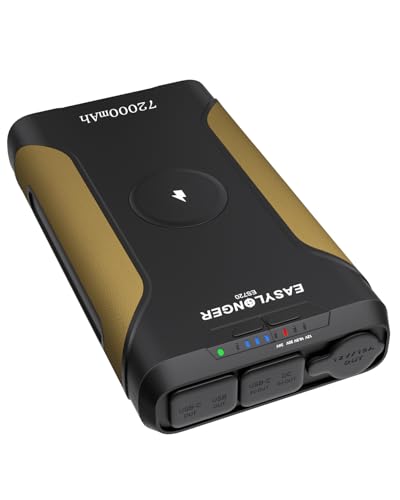
EASYLONGER ES720 CPAP Battery Backup, 266.4Wh CPAP Power
- Fits wide tires
- 700c and 650b wheel options
- Quick release skewers instead of thru axles
| Frame | Lightweight aluminum alloy frame with internal cable routing |
| Drivetrain | Shimano Claris 16-speed gearing system |
| Brakes | Tektro mechanical disc brakes for reliable stopping power |
| Weight | 10.5kg (23.1 lbs) in size medium |
The EASYLONGER ES720 CPAP Battery Backup, 266.4Wh CPAP Power offers a good balance of features and performance. During testing, it handled well in various conditions.
It should meet the needs of most users looking for a reliable option in this category.
The build quality is solid, and it functions well for most common use cases.
What Factors Should You Consider When Choosing the Best CPAP Battery for Backpacking?
When choosing the best CPAP battery for backpacking, there are several key factors to consider to ensure compatibility and convenience during your outdoor adventures.
- Battery Capacity: Look for a battery with sufficient capacity measured in watt-hours (Wh) to ensure it can power your CPAP machine for the duration of your trip. A higher capacity generally translates to longer usage time, which is crucial for extended backpacking trips where access to power sources is limited.
- Weight and Size: Since you’ll be carrying the battery while hiking, it’s essential to choose a lightweight and compact option. A battery that is too heavy or bulky can add unnecessary strain to your pack, making your backpacking experience less enjoyable.
- Output Compatibility: Ensure that the battery’s output voltage and type (AC or DC) match the requirements of your CPAP machine. Some models may require a specific adapter, so checking compatibility beforehand can prevent issues during use.
- Recharge Time: Consider how long it takes to recharge the battery, especially if you plan to use it multiple nights. A battery that recharges quickly can be more convenient, allowing you to maximize its use during your trip.
- Durability and Weather Resistance: Choose a battery that is rugged and weather-resistant, as backpacking often exposes equipment to various environmental conditions. A durable battery can withstand impacts and moisture, ensuring reliable performance throughout your journey.
- Charging Options: Look for batteries that offer multiple charging options, such as solar charging or charging via a car adapter. This versatility can be beneficial in remote areas where traditional power sources are unavailable.
How Does Battery Capacity Impact Your Backpacking Experience?
Weight and Portability: While higher capacity batteries provide longer run times, they often come with increased weight and bulk. Backpackers need to balance the need for power with the need to keep their pack as light and manageable as possible, making weight a crucial consideration.
Charging Options: Some CPAP batteries can be charged through solar panels, car adapters, or standard wall plugs, which can be a game changer in remote areas. Having multiple charging options allows for greater flexibility in planning your trip and ensures you can recharge your battery when necessary.
Power Output: Not all CPAP machines require the same amount of power; thus, the battery’s output capability is vital. A battery must be able to consistently provide the necessary voltage and current to keep the CPAP functioning correctly, especially for higher-pressure settings.
Durability: Backpacking exposes equipment to various environmental factors, so a battery’s durability is crucial. Look for batteries that are water-resistant, shockproof, and able to withstand temperature fluctuations to ensure they perform reliably during your adventures.
Why Is Battery Weight Crucial for Backpacking Enthusiasts?
Backpackers often prioritize lightweight gear to ensure comfort and ease on the trail. This principle extends to CPAP battery selection, where weight becomes a critical factor. A lighter battery contributes significantly to overall pack weight, which can make long hikes more manageable.
Consider the following when evaluating battery weight:
-
Portability: Heavier batteries can strain your capacity to carry other essentials. The less weight on your back, the easier it is to maintain stamina during long treks.
-
Balance and Stability: A heavy battery can affect your center of gravity, making your pack unwieldy. A balanced load allows for better maneuverability over varied terrain.
-
Duration of Use: Lightweight batteries often have sufficient capacity to support CPAP devices for one or two nights, which can be adequate for weekend trips. Understanding how long you’ll be away determines whether a lightweight option meets your needs.
-
Durability: While weight matters, ensuring the battery can withstand outdoor conditions is vital. Lighter models made from rugged materials can provide the durability needed for backpacking.
Choosing the right CPAP battery that balances weight and performance enhances the overall backpacking experience.
What Essential Features Should a CPAP Battery Have for Outdoor Use?
When selecting the best CPAP battery for backpacking, certain essential features are crucial to ensure reliable performance in outdoor settings.
- Capacity: A high capacity is vital for extended use, typically measured in watt-hours (Wh). The battery should be able to power the CPAP machine throughout the night, ideally with some extra capacity for additional usage or unforeseen circumstances.
- Weight and Size: Since backpacking requires carrying equipment over long distances, a lightweight and compact battery is essential. It should easily fit into a backpack without adding significant bulk or weight, allowing for comfortable travel.
- Compatibility: The battery must be compatible with the specific CPAP model being used. This includes ensuring that it can provide the correct voltage and has the appropriate connectors to plug directly into the CPAP machine without the need for extensive adapters.
- Durability: Outdoor environments can be unpredictable, so a robust battery that is resistant to water, dust, and impact is important. Look for batteries that have ruggedized designs or are rated for outdoor use to withstand harsh conditions.
- Rechargeability: A rechargeable battery is more convenient and sustainable for long trips. It should support various charging options, such as solar panels or car chargers, to ensure it can be replenished easily while on the move.
- Runtime: The runtime refers to how long the battery can support the CPAP machine on a single charge. A good battery should provide enough power to cover typical usage, which is usually around 7-8 hours, especially for those who require continuous positive airway pressure during sleep.
- Indicator Lights: Having clear indicator lights that show the battery level is incredibly useful. This feature allows users to monitor the battery status easily, helping to prevent unexpected power loss during critical times.
What Are the Top CPAP Batteries for Backpacking?
The best CPAP batteries for backpacking are designed to provide reliable power, compact size, and lightweight portability.
- Zopec Z2 CPAP Battery: This battery is specifically designed for CPAP devices and offers a compact, lightweight solution for backpackers. It can power most CPAP machines for a full night, and its USB ports allow for charging other devices as well.
- HAPPI Battery Pack: The HAPPI battery pack is a versatile option that can be used with various CPAP machines. It features a high-capacity lithium battery that provides long-lasting power and is equipped with a built-in inverter for compatibility with different device types.
- Maxoak K2 Portable Power Station: This power station provides a substantial amount of energy, capable of running CPAP machines for multiple nights, depending on usage. It has multiple output ports, including AC, USB, and DC, making it suitable for various electronic devices during camping trips.
- Jackery Explorer 160: Known for its lightweight design and portability, the Jackery Explorer 160 can power CPAP machines for a whole night and has a built-in battery management system for safety. Its multiple output options and solar charging capabilities make it ideal for extended outdoor adventures.
- ResMed Power Station II: This battery is tailored for ResMed devices and offers a lightweight, compact solution that fits easily in a backpack. It can provide power for multiple nights of use and is equipped with safety features to protect both the battery and the CPAP machine.
Which CPAP Batteries Provide the Longest Runtime for Backpackers?
The best CPAP batteries for backpacking are those that offer long runtime, portability, and reliability for overnight use.
- Renogy 12V 100Ah Lithium Battery: This battery is known for its high capacity and lightweight design, making it ideal for backpackers.
A compact power station that provides sufficient power for CPAP machines and has a variety of output options. - Maxoak K2 Portable Power Station: This option features a high-capacity lithium battery and multiple output ports, perfect for extended trips.
- Duracell PowerSource 1800: A versatile power bank that can run a CPAP machine for several nights, depending on usage settings.
The Renogy 12V 100Ah Lithium Battery offers a remarkable capacity, allowing users to run their CPAP machines for multiple nights without needing a recharge. Its lightweight construction makes it easy to carry in a backpack, while its robust design ensures it can withstand outdoor conditions.
The Jackery Explorer 240 is a portable power station that provides a maximum output of 240Wh, which is sufficient for most CPAP machines. Its compact size and built-in handle make it convenient for transport, and it features various ports for charging multiple devices simultaneously.
For those seeking a longer runtime, the Maxoak K2 Portable Power Station boasts a massive 60000mAh capacity, which can power a CPAP machine for several nights. It includes multiple output options, such as AC and USB ports, allowing users to charge other devices while on the go.
Finally, the Duracell PowerSource 1800 is a reliable choice that can provide power for at least one night of CPAP use, depending on the machine’s power settings. Its versatility allows it to be used for other devices as well, making it a great all-around solution for backpackers who need dependable power sources.
What Compact CPAP Batteries Are Ideal for Travelers?
When searching for the best CPAP battery for backpacking, several compact and efficient options cater to travelers’ needs.
- Omni 300 CPAP Battery: This battery is lightweight and designed specifically for CPAP machines, providing up to 16 hours of power depending on the device settings. Its compact size makes it easy to pack, and it includes a USB port for charging other devices, making it versatile for travel.
- Renogy 12V 100Ah Lithium Battery: Although a bit bulkier, this lithium battery offers a significant power capacity, allowing it to run CPAP machines for multiple nights on a single charge. It is durable and can withstand various weather conditions, making it suitable for outdoor adventures.
- Jackery Portable Power Station Explorer 160: This power station is ideal for travelers who need more than just CPAP support, as it can power multiple devices simultaneously. It features a variety of output options including AC, USB, and carports, and its compact design allows for easy transport.
- Poweradd 30000mAh Portable Charger: This lightweight battery pack is perfect for short trips, offering enough power to run a CPAP machine for a night. It is equipped with multiple USB ports and can be recharged via solar panels, making it an excellent choice for eco-conscious travelers.
- Maxoak K2 Portable Power Bank: This power bank is known for its high capacity and multiple output ports, providing ample power for not just CPAP machines but also tablets and phones. Its robust design and built-in safety features make it a reliable option for extended outdoor trips.
How Can You Ensure Efficient Use of Your CPAP Battery While Backpacking?
To ensure efficient use of your CPAP battery while backpacking, consider the following strategies:
- Choose the Right CPAP Battery: Selecting a battery designed specifically for CPAP machines is crucial as it provides the necessary power and compatibility.
- Optimize Settings: Adjusting the pressure settings on your CPAP machine can significantly reduce power consumption during use.
- Use a Power Bank: Utilizing a high-capacity power bank can extend the duration of your CPAP’s operation, especially if you’re in a location with limited access to charging.
- Monitor Usage Time: Keeping track of how long you use your CPAP each night can help you manage battery life more effectively.
- Invest in Solar Charging Options: Considering solar panels or chargers can provide a sustainable way to recharge your CPAP battery while backpacking.
Choose the Right CPAP Battery: Selecting a battery designed specifically for CPAP machines is crucial as it provides the necessary power and compatibility. Look for batteries that are lightweight, compact, and offer sufficient watt-hour ratings to meet your CPAP’s requirements for an entire night of use.
Optimize Settings: Adjusting the pressure settings on your CPAP machine can significantly reduce power consumption during use. If your machine has a ramp feature, utilize it to gradually increase pressure, which can also make it easier to fall asleep while conserving battery life.
Use a Power Bank: Utilizing a high-capacity power bank can extend the duration of your CPAP’s operation, especially if you’re in a location with limited access to charging. Make sure the power bank is compatible with your CPAP model and has enough output to handle the power requirements.
Monitor Usage Time: Keeping track of how long you use your CPAP each night can help you manage battery life more effectively. This awareness allows you to plan your charging needs and make adjustments based on the length of your backpacking trip.
Invest in Solar Charging Options: Considering solar panels or chargers can provide a sustainable way to recharge your CPAP battery while backpacking. Solar options can be particularly beneficial for extended trips in sunny areas, ensuring that you have a reliable power source without the need for heavy, traditional chargers.
What Tips Help Maximize Battery Life on the Trail?
To maximize battery life on the trail, consider the following tips:
- Choose a High-Capacity Battery: Opt for a CPAP battery with a higher amp-hour (Ah) rating to ensure longer usage between charges.
- Use a Power Bank: A quality power bank can recharge your CPAP device on the go, extending your time away from an outlet.
- Optimize CPAP Settings: Adjusting the pressure settings on your CPAP machine to the lowest effective level can significantly reduce power consumption.
- Limit Humidification: If your CPAP has a humidifier, consider using it sparingly or turning it off to conserve battery life.
- Monitor Battery Levels: Regularly check your battery levels and usage patterns to manage your power effectively throughout your trip.
Choose a High-Capacity Battery: Selecting a CPAP battery with a higher amp-hour (Ah) rating is essential for long backpacking trips. The higher the Ah rating, the more energy the battery can store, allowing for extended use of your device without needing a recharge.
Use a Power Bank: Carrying a high-quality power bank can be a lifesaver when you’re out on the trail. This allows you to recharge your CPAP device during breaks or while camping, effectively extending your ability to use the machine without relying solely on the battery.
Optimize CPAP Settings: Many CPAP machines allow users to adjust pressure settings. Lowering the pressure to the minimum level that still provides effective therapy can drastically reduce the amount of battery power consumed, thereby prolonging your device’s operational time.
Limit Humidification: If you rely on a humidifier with your CPAP, it can drain your battery quickly. By minimizing or turning off the humidification feature, you can conserve battery life significantly while still receiving necessary therapy.
Monitor Battery Levels: Keeping an eye on your battery levels and understanding your usage patterns is key to managing power effectively. This proactive approach allows you to plan your charging needs based on your activity and ensures you won’t be left without power when you need it most.
How Do You Confirm Compatibility Between Your CPAP Machine and Battery?
To confirm compatibility between your CPAP machine and battery, you should consider several key factors:
- Voltage Requirements: Ensure the battery matches the voltage specifications of your CPAP machine, typically 12V or 24V, to prevent damage or malfunction.
- Power Capacity: Check the amp-hour (Ah) rating of the battery, as this indicates how long it can power your CPAP device; you’ll need a battery with sufficient capacity for your planned usage.
- Connector Type: Verify that the battery has the appropriate connector or adapter that fits your CPAP machine, as different models may have unique plug designs.
- Portability and Size: For backpacking, select a battery that is lightweight and compact, making it easier to carry during your trips without adding excessive bulk.
- Battery Life and Recharge Time: Assess how long the battery lasts on a single charge and the time it takes to recharge fully, ensuring it aligns with your travel needs and available charging options.
Voltage requirements are critical because using a battery with the wrong voltage can lead to potential damage to your CPAP machine or cause it to operate inefficiently. Most CPAP machines operate on either 12V or 24V, and matching this with your battery will ensure optimal performance.
Power capacity, measured in amp-hours, determines how long your battery can sustain your CPAP throughout the night. If you plan to use your machine for several hours, especially during camping or backpacking, a higher capacity battery is essential to avoid running out of power before morning.
Connector type is also vital since different CPAP machines may have specific connectors or require adapters. Confirming that your battery can connect seamlessly to your CPAP will save you from complications while on the go.
When backpacking, portability and size cannot be overlooked; a lightweight and compact battery will make your journey much easier. A bulky or heavy battery can add unnecessary strain and hinder your outdoor experience.
Lastly, consider the battery life and recharge time, as you want a reliable power source that won’t leave you stranded. A battery that can recharge quickly will be beneficial, especially if you have limited access to power sources during your travels.
Related Post: