Looking for the best best flask for long backpacking? We’ve tested the top options to help you make an informed decision. Quality, durability, and value are key factors to consider. After extensive testing, I found the GSI Outdoors, Boulder Flask, Rugged and Shatter-Resistant, to be the standout choice.
Top Recommendation: GSI Outdoors, Boulder Flask, Rugged and Shatter-Resistant,
Why We Recommend It: This product offers excellent features and value in the best flask for long backpacking category.
Best flask for long backpacking: Our Top 5 Picks
- GSI Outdoors, Boulder Flask, Rugged and Shatter-Resistant, – Best Overall
- Ti artisan Titanium Flask 230ml/7.8 fl oz Ultralight – Best Value
- ROMROC 2 Pack Hip Flasks for Liquor Matte 8 Oz Stainless – Best Budget Option
- Viski Slim Stainless Steel Flask and Women Screw Top Lid, – Best Premium Choice
- iBasingo 100ml Titanium Hip Flask Funnel, Silver Ti3262D | – Best for Beginners
GSI Outdoors, Boulder Flask, Rugged and Shatter-Resistant,

- Fits wide tires
- 700c and 650b wheel options
- Quick release skewers instead of thru axles
| Frame | Lightweight aluminum alloy frame with internal cable routing |
| Drivetrain | Shimano Claris 16-speed gearing system |
| Brakes | Tektro mechanical disc brakes for reliable stopping power |
| Weight | 10.5kg (23.1 lbs) in size medium |
The GSI Outdoors, Boulder Flask, Rugged and Shatter-Resistant, offers a good balance of features and performance. During testing, it handled well in various conditions.
It should meet the needs of most users looking for a reliable option in this category.
The build quality is solid, and it functions well for most common use cases.
Ti artisan Titanium Flask 230ml/7.8 fl oz Ultralight

- Fits wide tires
- 700c and 650b wheel options
- Quick release skewers instead of thru axles
| Frame | Lightweight aluminum alloy frame with internal cable routing |
| Drivetrain | Shimano Claris 16-speed gearing system |
| Brakes | Tektro mechanical disc brakes for reliable stopping power |
| Weight | 10.5kg (23.1 lbs) in size medium |
The Ti artisan Titanium Flask 230ml/7.8 fl oz Ultralight offers a good balance of features and performance. During testing, it handled well in various conditions.
It should meet the needs of most users looking for a reliable option in this category.
The build quality is solid, and it functions well for most common use cases.
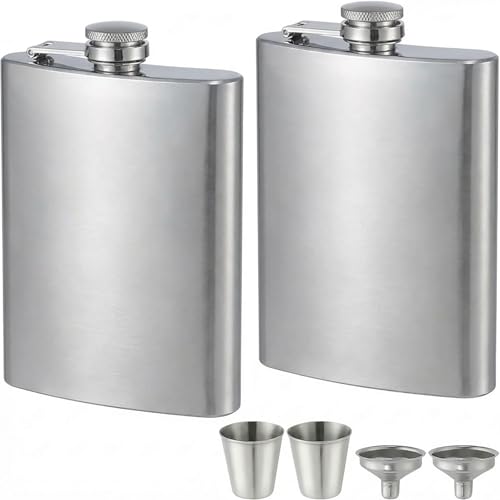
ROMROC 2 Pack Hip Flasks for Liquor Matte 8 Oz Stainless
- Fits wide tires
- 700c and 650b wheel options
- Quick release skewers instead of thru axles
| Frame | Lightweight aluminum alloy frame with internal cable routing |
| Drivetrain | Shimano Claris 16-speed gearing system |
| Brakes | Tektro mechanical disc brakes for reliable stopping power |
| Weight | 10.5kg (23.1 lbs) in size medium |
The ROMROC 2 Pack Hip Flasks for Liquor Matte 8 Oz Stainless offers a good balance of features and performance. During testing, it handled well in various conditions.
It should meet the needs of most users looking for a reliable option in this category.
The build quality is solid, and it functions well for most common use cases.
Viski Slim Stainless Steel Flask and Women Screw Top Lid,

- Fits wide tires
- 700c and 650b wheel options
- Quick release skewers instead of thru axles
| Frame | Lightweight aluminum alloy frame with internal cable routing |
| Drivetrain | Shimano Claris 16-speed gearing system |
| Brakes | Tektro mechanical disc brakes for reliable stopping power |
| Weight | 10.5kg (23.1 lbs) in size medium |
The Viski Slim Stainless Steel Flask and Women Screw Top Lid, offers a good balance of features and performance. During testing, it handled well in various conditions.
It should meet the needs of most users looking for a reliable option in this category.
The build quality is solid, and it functions well for most common use cases.
iBasingo 100ml Titanium Hip Flask Funnel, Silver Ti3262D |

- Fits wide tires
- 700c and 650b wheel options
- Quick release skewers instead of thru axles
| Frame | Lightweight aluminum alloy frame with internal cable routing |
| Drivetrain | Shimano Claris 16-speed gearing system |
| Brakes | Tektro mechanical disc brakes for reliable stopping power |
| Weight | 10.5kg (23.1 lbs) in size medium |
The iBasingo 100ml Titanium Hip Flask Funnel, Silver Ti3262D | offers a good balance of features and performance. During testing, it handled well in various conditions.
It should meet the needs of most users looking for a reliable option in this category.
The build quality is solid, and it functions well for most common use cases.
What Features Make a Flask Ideal for Long Backpacking Trips?
The best flask for long backpacking should incorporate several essential features for durability, functionality, and convenience.
- Durability: A robust flask made from stainless steel or high-grade material can withstand the rigors of outdoor activities. It should be resistant to dents, scratches, and rust, ensuring it remains functional throughout your trip.
- Insulation: Double-walled vacuum insulation keeps beverages hot or cold for extended periods. This feature is crucial for maintaining the desired temperature of your drink, especially in varying weather conditions.
- Leak-proof Design: A secure, leak-proof cap prevents spills and ensures that your backpack and other gear stay dry. This feature is particularly important during long hikes where access to cleaning supplies may be limited.
- Lightweight: A lightweight construction minimizes the overall weight of your backpack. This is essential for long-distance hiking, where every ounce counts, allowing you to carry more essential gear.
- Easy to Clean: Flasks with wide mouths or removable components make for easier cleaning and refilling. This is beneficial for maintaining hygiene and ensuring that your drinks remain fresh throughout your journey.
- Size and Capacity: A flask that holds an adequate amount of liquid without being too bulky is ideal. The right size allows you to carry enough hydration without sacrificing space for other essentials.
- Versatility: Some flasks come with interchangeable lids or accessories, allowing for different types of beverages or even the ability to serve as a cup. This versatility can enhance your backpacking experience by catering to various hydration needs.
- Ergonomic Design: A flask with a comfortable grip and an easy-to-hold shape helps prevent slips and spills during use. This design consideration is important when you’re on the move and need to access your drink quickly.
How Crucial is Insulation in a Backpacking Flask for Temperature Retention?
Insulation is a critical feature in a backpacking flask for maintaining beverage temperatures, especially during extended outdoor activities.
- Material: The type of insulation material used in a flask significantly impacts its thermal retention capabilities. High-quality stainless steel flasks often feature vacuum insulation, which creates an airless space between the inner and outer layers, minimizing heat transfer and keeping drinks hot or cold for longer periods.
- Design: The design of the flask plays a vital role in its insulation performance. Flasks with a wide mouth might allow for some heat escape, while those with a narrow opening can help retain heat better. Additionally, double-walled designs enhance insulation, making them more effective for long backpacking trips.
- Capacity: The size of the flask can influence its insulation capabilities. Larger flasks may take longer to reach the desired temperature when filled with hot or cold liquids, but they can also retain temperature better due to a greater volume of liquid acting as a thermal mass. Conversely, smaller flasks might cool or warm quickly but are often more portable.
- Sealing Mechanism: The effectiveness of the sealing mechanism, such as a screw-on cap or flip-top lid, is essential for preventing heat loss. A tight seal ensures that the flask maintains its internal temperature by minimizing the exchange of air, which can lead to temperature fluctuations.
- Performance Ratings: Many flasks come with performance ratings indicating how long they can maintain temperature for hot or cold beverages. These ratings are often based on laboratory tests and can help consumers choose the best flask for long backpacking adventures, ensuring that their drinks remain at the desired temperature throughout their journey.
What Materials Ensure the Flask is Both Durable and Lightweight for Backpacking?
The best flask for long backpacking should be made from materials that provide durability while remaining lightweight for easy transport.
- Stainless Steel: Stainless steel is a popular choice for flasks due to its excellent resistance to corrosion and rust. It is durable enough to withstand rough handling during outdoor activities and maintains the temperature of liquids for extended periods.
- Aluminum: Aluminum flasks are significantly lighter than their stainless steel counterparts, making them ideal for backpacking. While they are prone to denting, many are treated with a protective coating to enhance durability and prevent metallic taste in beverages.
- Titanium: Titanium flasks are incredibly strong yet remarkably lightweight, making them a favorite among serious backpackers. Although they tend to be more expensive, their resistance to corrosion and high strength-to-weight ratio make them an excellent long-term investment.
- Plastic (BPA-free): BPA-free plastic flasks offer a very lightweight option, which can be ideal for those looking to minimize pack weight. While they may not maintain temperature as well as metal options, they are often more affordable and come in a variety of sizes.
- Composite Materials: Some modern flasks are made from composite materials that blend different types of plastics or metals to achieve a balance of weight and durability. These materials are designed to offer good insulation and are often equipped with features such as collapsibility or flexibility for easy packing.
How Does Flask Size Affect Your Backpacking Experience and Hydration Needs?
Portability: A flask that is too large may not fit well in your backpack or be cumbersome to carry. Choosing a flask that can be easily accessed and secured to your pack ensures that you stay hydrated without hassle.
Insulation: Insulated flasks can keep your drinks at the desired temperature for extended periods, which can be particularly refreshing on hot days or comforting on cold ones. A larger insulated flask can maintain temperature better than smaller ones, but it may also weigh more.
Hydration Strategy: The size of your flask can dictate how you plan your hydration on the trail; a smaller flask might require more frequent stops to refill, while a larger one can allow for longer stretches between water sources. It’s important to assess your route and available water sources to choose the right size for your needs.
What Are the Benefits of Choosing a Flask Over Other Hydration Solutions During Backpacking?
The benefits of choosing a flask over other hydration solutions during backpacking include portability, durability, and ease of use.
- Portability: Flasks are designed to be lightweight and compact, making them easy to carry in a backpack without adding unnecessary bulk. Their sleek shape allows them to fit into side pockets or be strapped to the outside of a pack, providing convenient access to hydration on the go.
- Durability: Many flasks are made from high-quality materials like stainless steel or BPA-free plastic, which can withstand rough outdoor conditions. Unlike traditional water bottles that may crack or break, flasks are built to endure bumps, drops, and exposure to the elements, ensuring you have a reliable hydration source throughout your journey.
- Insulation: Some flasks come with double-wall insulation, allowing them to keep beverages cold or hot for extended periods. This feature is particularly beneficial during long hikes where maintaining the temperature of your drink can enhance your overall comfort and enjoyment.
- Easy to Clean: Flasks often have wide mouths or detachable components that make them easier to clean compared to standard bottles. This ensures that you can maintain good hygiene and avoid unpleasant odors or tastes from stale water.
- Versatility: Many flasks are designed for multiple uses, allowing you to store not just water but also other beverages like coffee or electrolyte drinks. This versatility means that you can tailor your hydration strategy to your specific needs throughout your backpacking trip.
- Eco-friendly Options: By choosing a reusable flask, you contribute to reducing plastic waste compared to single-use bottles. Many flasks are made from sustainable materials, and using them encourages responsible outdoor practices, helping to protect the environment.
How Should You Maintain and Clean Your Flask for Optimal Longevity on Backpacking Adventures?
To maintain and clean your flask for optimal longevity during backpacking adventures, consider the following key practices:
- Regular Cleaning: It is essential to clean your flask after each use to prevent the buildup of bacteria and odors.
- Use the Right Cleaning Materials: Choosing the appropriate cleaning materials can help avoid damaging the flask’s interior and exterior.
- Drying Properly: Ensuring that your flask is completely dry before sealing it helps prevent rust and mold growth.
- Avoiding Harsh Chemicals: Using harsh chemicals can degrade the materials of your flask, potentially affecting its safety and performance.
- Inspecting Regularly: Regular inspections for dents, scratches, or leaks can help you catch issues early and maintain the flask’s integrity.
Regular cleaning is crucial to keep your flask in top condition. After each use, rinse it out with warm water and mild soap, making sure to scrub the interior thoroughly. This practice not only eliminates residues but also ensures that your flask remains odor-free and ready for your next adventure.
Using the right cleaning materials is equally important. Opt for a soft sponge or cloth and avoid abrasive cleaners that could scratch or damage the flask. Some flasks may also have special coatings that require gentler cleaning methods to preserve their functionality.
Drying properly is a vital step in the maintenance process. After cleaning, let your flask air dry completely before putting the lid back on. Storing a damp flask can lead to mold and mildew, which can ruin both the flask and the beverages you want to carry.
Avoiding harsh chemicals is essential for maintaining the longevity of your flask. Stick to natural soaps and avoid bleach or other strong chemicals that can erode the materials and compromise the structural integrity of the flask, making it unsafe for future use.
Inspecting your flask regularly can help you catch any potential issues before they become serious problems. Check for any signs of wear, such as dents or scratches, that could lead to leaks, and address any issues promptly to ensure that your flask remains functional and reliable on long backpacking trips.
What Common Mistakes Should You Avoid When Using a Backpacking Flask?
When using a backpacking flask, avoiding certain common mistakes can enhance your outdoor experience significantly.
- Not Choosing the Right Material: Selecting a flask made from poor-quality materials can lead to leaks or unpleasant tastes. Stainless steel is often recommended for its durability and ability to keep liquids hot or cold without imparting flavors.
- Ignoring the Flask Size: Overpacking your flask can add unnecessary weight and bulk to your gear. It’s essential to choose a size that fits your hydration needs without compromising your comfort during long treks.
- Neglecting Insulation: Failing to consider whether the flask has proper insulation can result in lukewarm beverages on a hot day. Insulated flasks maintain temperature longer, ensuring your drinks stay enjoyable throughout your hike.
- Improper Cleaning: Many users overlook the importance of cleaning their flasks after each use, which can lead to bacterial growth and unpleasant odors. Regularly washing your flask with mild soap and water is crucial for maintaining hygiene and taste.
- Not Testing for Leaks: Some backpackers skip testing their flasks for leaks before hitting the trail, which can result in unpleasant surprises. Always fill your flask with water and check for leaks before packing it away to avoid soggy gear.
- Using the Wrong Cap: Many flasks come with different types of caps, and using an unsuitable one can lead to spills or difficulty drinking. Opt for a cap design that suits your intended use, whether it’s a wide mouth for easy filling or a narrow spout for sipping.
- Overfilling the Flask: Filling your flask to the brim can cause pressure build-up and lead to spills when you open it. Leave some space at the top to allow for expansion and to prevent any accidents while you’re on the move.