Looking for the best best flashlights for camping backpacking? We’ve tested the top options to help you make an informed decision. Quality, durability, and value are key factors to consider. After extensive testing, I found the LHKNL Headlamp Flashlight, Lumen Bright Head Lamps LED to be the standout choice.
Top Recommendation: LHKNL Headlamp Flashlight, Lumen Bright Head Lamps LED
Why We Recommend It: This product offers excellent features and value in the best flashlights for camping backpacking category.
Best flashlights for camping backpacking: Our Top 4 Picks
- LHKNL Headlamp Flashlight, Lumen Bright Head Lamps LED – Best Overall
- FLEXTAILGEAR Zero Lantern, Portable LED Camping Lantern | – Best Value
- TrixHub Rechargeable Flashlights 2 Pack Super Bright High – Best Budget Option
- FLY2SKY 4 Pack LED Rechargeable Camping Lights Tent Lantern – Best Premium Choice
LHKNL Headlamp Flashlight, Lumen Bright Head Lamps LED

- Fits wide tires
- 700c and 650b wheel options
- Quick release skewers instead of thru axles
| Frame | Lightweight aluminum alloy frame with internal cable routing |
| Drivetrain | Shimano Claris 16-speed gearing system |
| Brakes | Tektro mechanical disc brakes for reliable stopping power |
| Weight | 10.5kg (23.1 lbs) in size medium |
The LHKNL Headlamp Flashlight, Lumen Bright Head Lamps LED offers a good balance of features and performance. During testing, it handled well in various conditions.
It should meet the needs of most users looking for a reliable option in this category.
The build quality is solid, and it functions well for most common use cases.
FLEXTAILGEAR Zero Lantern, Portable LED Camping Lantern |

- Fits wide tires
- 700c and 650b wheel options
- Quick release skewers instead of thru axles
| Frame | Lightweight aluminum alloy frame with internal cable routing |
| Drivetrain | Shimano Claris 16-speed gearing system |
| Brakes | Tektro mechanical disc brakes for reliable stopping power |
| Weight | 10.5kg (23.1 lbs) in size medium |
The FLEXTAILGEAR Zero Lantern, Portable LED Camping Lantern | offers a good balance of features and performance. During testing, it handled well in various conditions.
It should meet the needs of most users looking for a reliable option in this category.
The build quality is solid, and it functions well for most common use cases.
TrixHub Rechargeable Flashlights 2 Pack Super Bright High

- Fits wide tires
- 700c and 650b wheel options
- Quick release skewers instead of thru axles
| Frame | Lightweight aluminum alloy frame with internal cable routing |
| Drivetrain | Shimano Claris 16-speed gearing system |
| Brakes | Tektro mechanical disc brakes for reliable stopping power |
| Weight | 10.5kg (23.1 lbs) in size medium |
The TrixHub Rechargeable Flashlights 2 Pack Super Bright High offers a good balance of features and performance. During testing, it handled well in various conditions.
It should meet the needs of most users looking for a reliable option in this category.
The build quality is solid, and it functions well for most common use cases.
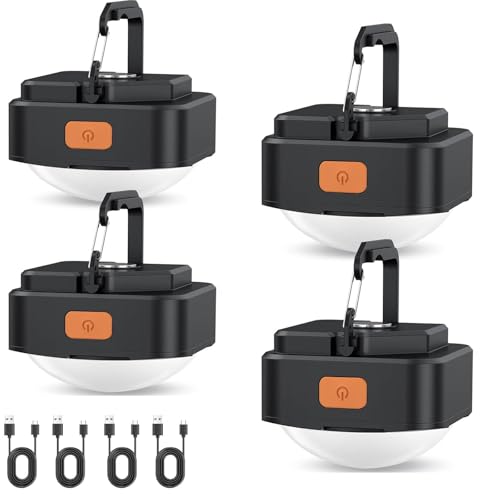
FLY2SKY 4 Pack LED Rechargeable Camping Lights Tent Lantern
- Fits wide tires
- 700c and 650b wheel options
- Quick release skewers instead of thru axles
| Frame | Lightweight aluminum alloy frame with internal cable routing |
| Drivetrain | Shimano Claris 16-speed gearing system |
| Brakes | Tektro mechanical disc brakes for reliable stopping power |
| Weight | 10.5kg (23.1 lbs) in size medium |
The FLY2SKY 4 Pack LED Rechargeable Camping Lights Tent Lantern offers a good balance of features and performance. During testing, it handled well in various conditions.
It should meet the needs of most users looking for a reliable option in this category.
The build quality is solid, and it functions well for most common use cases.
What Are the Essential Features of the Best Flashlights for Camping and Backpacking?
The essential features of the best flashlights for camping and backpacking include:
- Brightness (Lumens): The brightness of a flashlight is typically measured in lumens, which indicates how much light it emits. For camping and backpacking, a flashlight that offers at least 200 lumens is recommended, as it provides sufficient illumination to navigate dark trails or set up camp after sunset.
- Battery Life: A long battery life is crucial for camping and backpacking, as you may not have access to charging options. Look for flashlights that can last several hours or even days on a single set of batteries, especially in high-output modes, to avoid running out of power during your trip.
- Durability and Weather Resistance: The best flashlights for outdoor activities should be rugged and able to withstand harsh conditions. Features like water resistance (often rated by IPX standards) and impact-resistant materials ensure that the flashlight can handle rain, drops, and other outdoor elements.
- Weight and Portability: Since backpacking requires carrying all your gear, a lightweight and compact flashlight is essential. Opt for designs that are easy to pack and carry, ideally weighing less than a pound, to minimize your load without sacrificing functionality.
- Beam Distance and Focus: A flashlight’s beam distance refers to how far the light travels, which is important for spotting objects or paths at a distance. Adjustable focus allows you to switch between a narrow beam for long distances and a wide beam for close-range tasks, providing versatility in various situations.
- Multiple Lighting Modes: Flashlights with multiple modes, such as high, medium, low, strobe, and SOS, offer flexibility for different scenarios. This feature allows you to conserve battery life when less brightness is needed or signal for help in emergencies, enhancing your safety during outdoor adventures.
- Ease of Use: A flashlight should have an intuitive design that allows for easy operation, even with gloves on. Features like a simple on/off switch, a comfortable grip, and a lightweight design contribute to quick and efficient access during nighttime activities.
How Important is Brightness When Choosing a Camping Flashlight?
Brightness is a critical factor to consider when choosing the best flashlights for camping and backpacking as it impacts visibility and safety.
- Lumens: The brightness of a flashlight is measured in lumens, which indicates how much light is emitted. For camping and backpacking, a flashlight with at least 200 lumens is recommended to effectively illuminate trails and surroundings, while higher lumens provide better visibility for larger areas.
- Adjustable Brightness Settings: Many modern flashlights come with adjustable brightness settings. This feature allows users to conserve battery life by using lower settings for close-up tasks or when minimal light is needed, while still having the option to switch to a higher brightness for navigation or emergency situations.
- Beam Distance: The beam distance indicates how far the light can reach effectively. A flashlight with a longer beam distance is crucial for spotting distant objects or hazards in the dark, making it an essential consideration for backpackers navigating unfamiliar terrain at night.
- Light Color and Temperature: The color and temperature of the light emitted can affect visibility and comfort. A cooler white light (around 6000K) offers better visibility for general use, while warmer tones (around 3000K) can be more pleasant for close tasks and reading without straining your eyes.
- Runtime: The runtime of a flashlight is the duration it can operate on a single charge or set of batteries at a specific brightness level. Opting for a flashlight with a longer runtime ensures that you have reliable light throughout your camping trip, especially during extended outings where charging options may be limited.
Why Does Battery Life Matter for Backpacking Adventures?
Battery life is a critical consideration for any backpacking adventure, as it directly influences the practicality and safety of your experience in the outdoors. The challenges of camping and backpacking can include long-distance treks, unpredictable weather, and limited access to charging options. Here are key reasons why battery life matters:
-
Extended Use: For multi-day trips, a flashlight with extended battery life ensures you have reliable light for late-night navigations, cooking, or setting up camp.
-
Emergency Situations: In case of an emergency, a well-functioning flashlight can be a lifesaver. It’s essential to have a device that won’t fail due to depleted power when most needed.
-
Weight Efficiency: Lightweight packers appreciate equipment that balances functionality with battery longevity. A flashlight that consumes less power can reduce the need to carry extra batteries.
-
Mode Versatility: Many modern flashlights come with various modes (e.g., high, medium, low, strobe). A solid battery life allows you to use different settings based on your needs and conserve power for longer durations.
Choosing flashlights with superior battery life not only enhances the overall outdoor experience but also contributes significantly to safety and preparedness.
What Size and Weight Should You Consider in a Camping Flashlight?
When selecting the best flashlights for camping and backpacking, considering size and weight is crucial for convenience and practicality.
- Compact Size: A compact flashlight is easier to pack and carry, fitting comfortably in your backpack or pocket without adding bulk.
- Lightweight Construction: Opting for lightweight materials, such as aluminum or high-grade plastics, ensures that the flashlight won’t weigh you down during long hikes.
- Balance of Size and Power: While you want a flashlight that is small and light, it should also provide sufficient brightness and battery life for your camping needs.
- Adjustable Size Options: Some flashlights come with adjustable features that allow you to extend or retract the size based on your activity, providing versatility in different situations.
Compact flashlights typically range between 4 to 6 inches in length, making them portable and easy to store. Their small size does not compromise their functionality, allowing you to navigate your campsite or trail effectively at night.
Lightweight construction is essential for backpackers who are mindful of their gear’s total weight. Flashlights weighing under 8 ounces are ideal, as they minimize the load you carry while still providing reliable illumination.
Finding a balance of size and power means selecting a flashlight that offers a good lumen output while still being compact. Look for flashlights that deliver at least 200 lumens for adequate brightness, particularly for outdoor settings, while remaining portable enough for easy transport.
Adjustable size options can be beneficial for campers who need different light intensity or distance based on their activity. Some models feature zoom functionalities, allowing you to focus the beam for long-range visibility or widen it for area illumination, catering to various camping scenarios.
What Types of Flashlights Are Most Suitable for Camping and Backpacking?
The best flashlights for camping and backpacking are designed for portability, durability, and versatility.
- LED Flashlights: LED flashlights are energy-efficient and have a long lifespan, making them ideal for extended camping trips. They provide bright illumination while consuming less battery power, ensuring you have light when you need it most.
- Headlamps: Headlamps are hands-free lighting solutions that are perfect for tasks like cooking or setting up a tent at night. They are lightweight and can be adjusted for focus, allowing you to direct light exactly where you need it without holding a flashlight.
- Rechargeable Flashlights: Rechargeable flashlights offer the convenience of not needing to constantly replace batteries, which is particularly beneficial on longer backpacking trips. Many models come with USB charging options, making it easy to recharge using portable power banks or solar chargers.
- Multi-Function Flashlights: Multi-function flashlights often come with additional features like built-in emergency whistles, strobe lights, or even a power bank to charge other devices. These added functionalities can be incredibly useful in outdoor situations where versatility is key.
- Compact Flashlights: Compact flashlights are lightweight and easy to pack, making them ideal for backpacking where space is limited. Despite their small size, many compact flashlights still offer bright outputs and durable construction to withstand the rigors of outdoor use.
What Are the Benefits of Using LED Flashlights for Outdoor Activities?
The benefits of using LED flashlights for outdoor activities are numerous and make them ideal for camping and backpacking.
- Energy Efficiency: LED flashlights consume significantly less power compared to traditional incandescent bulbs, allowing for longer battery life.
- Durability: LED flashlights are often more rugged and resistant to shocks, making them suitable for outdoor environments.
- Brightness and Visibility: They provide brighter light output, which can improve visibility in dark conditions, ensuring safety during outdoor adventures.
- Compact and Lightweight: Many LED flashlights are designed to be portable and lightweight, making them easy to carry on long trips.
- Low Heat Emission: LED lights emit very little heat, reducing the risk of burns and making them safer to handle.
Energy Efficiency: LED flashlights consume significantly less power compared to traditional incandescent bulbs, allowing for longer battery life. This efficiency is especially beneficial during camping trips where access to replacement batteries may be limited, enabling users to rely on their flashlights for extended periods without frequent recharging or replacements.
Durability: LED flashlights are often more rugged and resistant to shocks, making them suitable for outdoor environments. Their solid-state construction means they can withstand drops and rough handling, which is common during camping or backpacking activities, ensuring they continue to function in challenging conditions.
Brightness and Visibility: They provide brighter light output, which can improve visibility in dark conditions, ensuring safety during outdoor adventures. This enhanced brightness can help illuminate trails, campsites, or emergency situations, allowing users to navigate and operate safely after sunset.
Compact and Lightweight: Many LED flashlights are designed to be portable and lightweight, making them easy to carry on long trips. Their compact size allows them to fit into pockets or small compartments of backpacks, ensuring that they don’t add unnecessary weight to the load.
Low Heat Emission: LED lights emit very little heat, reducing the risk of burns and making them safer to handle. This feature is particularly important in outdoor settings where close contact with skin or flammable materials is a concern, providing peace of mind and safer operation.
How Do Headlamps Compare With Traditional Flashlights for Camping Needs?
| Feature | Headlamps | Traditional Flashlights |
|---|---|---|
| Light Source | Provides direct light where you look; ideal for tasks. | Offers broad illumination but requires pointing; less effective for tasks. |
| Hands-Free Use | Worn on the head; allows for hands-free operation, great for cooking or setting up tents. | Requires a hand to hold; can be cumbersome while performing tasks. |
| Battery Life | Typically longer-lasting; many models use efficient LED technology. | Varies widely; larger models may have better output at the expense of battery life. |
| Weight and Portability | Lightweight and compact; easy to pack and carry. | Can be bulkier; may require more space in a pack. |
| Durability and Weather Resistance | Often designed to be water-resistant and durable for outdoor conditions. | Durability varies; some models are weather-resistant but others are not. |
| Beam Distance and Brightness Output | Usually offer focused beams for close tasks; lumens vary. | Can provide brighter outputs over longer distances; often have adjustable beams. |
| Cost and Value | Generally more affordable; good value for hands-free functionality. | Range in price; high-quality options can be expensive. |
What Are the Top-Rated Camping Flashlights According to Outdoor Experts?
The best flashlights for camping and backpacking provide reliability, brightness, and durability, essential for outdoor adventures.
- Fenix PD36R: This flashlight offers an impressive output of 1600 lumens and a beam distance of up to 928 feet. Its USB-C rechargeable battery ensures long-lasting power, and the rugged, waterproof design makes it suitable for various weather conditions.
- Black Diamond Spot 400: With a brightness of 400 lumens, this headlamp is perfect for hands-free operation during camping activities. It features multiple lighting modes and a waterproof design, making it versatile for both casual and intense outdoor use.
- Olight S2R Baton II: This compact flashlight delivers up to 1150 lumens and features a rechargeable battery. Its lightweight design and magnetic tail cap enhance usability, allowing for convenient attachment to metal surfaces.
- Streamlight 88040 ProTac: Known for its durability, this flashlight produces 750 lumens and offers multiple power settings. Its rugged construction and waterproof features make it a reliable choice for any camping environment.
- SureFire G2X Pro: This flashlight provides a powerful 600 lumens in a lightweight, tough polymer body. It has a simple interface and is designed to withstand harsh conditions, making it ideal for serious campers and backpackers.
Which Models Offer the Best Performance and Reliability for Campers?
The best flashlights for camping and backpacking combine performance, reliability, and portability.
- Fenix PD36R: This flashlight is known for its impressive brightness of up to 3000 lumens and a durable construction.
- Black Diamond Spot 350: A compact headlamp that delivers versatile lighting options and is waterproof, making it ideal for unpredictable weather.
- Olight S2R Baton II: This rechargeable flashlight features a sleek design, multiple brightness modes, and a magnetic base for hands-free use.
- Streamlight 88040 ProTac: A tactical flashlight that offers a rugged build, high lumen output, and multiple power options, perfect for all outdoor activities.
- Goal Zero Torch 250: A multifunctional flashlight that can also charge devices, providing versatility during longer camping trips.
The Fenix PD36R is a powerhouse flashlight, boasting a maximum output of 3000 lumens, which means it can light up expansive areas, making it great for navigating campsites at night. Its sturdy aluminum body is built to withstand harsh conditions, and it offers a range of brightness settings to conserve battery life or maximize visibility when needed.
The Black Diamond Spot 350 is an excellent choice for campers who prefer hands-free lighting. With its lightweight design and adjustable beam, it is perfect for tasks like cooking or setting up a tent after dark. Additionally, its waterproof rating ensures that it can handle rain and splashes, keeping it functional in various weather situations.
The Olight S2R Baton II stands out with its compact form and powerful performance, delivering up to 1150 lumens. This flashlight features a magnetic base that allows it to attach securely to metallic surfaces, which is particularly useful for hands-free operation while working or reading maps. Its rechargeable battery also adds convenience for extended trips.
The Streamlight 88040 ProTac is a tactical flashlight designed for durability and functionality. It can withstand extreme conditions and offers a high lumen output of 750 lumens, which is suitable for a variety of outdoor tasks. The flashlight also has multiple power options, including rechargeable batteries and standard AA batteries, making it versatile for different camping scenarios.
The Goal Zero Torch 250 is not only a flashlight but also a solar-powered charger, making it a great addition to any camper’s gear. This multifunctional device can provide light for up to 48 hours on a single charge and can charge phones and other devices in emergencies. Its rugged design ensures it can endure the rigors of outdoor adventures, which adds to its practicality for long-term camping trips.
How Do You Determine the Price Range for Quality Camping Flashlights?
- Brightness (Lumens): The brightness of a flashlight is typically measured in lumens, with higher lumens indicating a brighter light. For camping and backpacking, a flashlight with at least 200-500 lumens is recommended for general use, while specialized activities may require even brighter options, which can affect pricing significantly.
- Battery Type: The type of battery a flashlight uses can impact its cost and longevity. Rechargeable batteries tend to be more expensive initially but can save money over time compared to disposable batteries, which may be less expensive upfront but require frequent replacements.
- Durability and Materials: The build quality and materials used in a flashlight affect its price. Flashlights made from high-quality aluminum or reinforced plastic that are rated for water resistance and shockproof features tend to be pricier, but they offer better reliability for outdoor use.
- Features and Modes: Additional features such as multiple brightness modes, strobe settings, or zoom capabilities can also influence price. Flashlights with advanced technology, like smart features or tactical options, usually come at a higher price point, catering to specific user needs for camping and backpacking.
- Brand Reputation: The reputation of the brand can greatly affect the price range. Established brands with a history of producing high-quality outdoor gear often command higher prices due to their proven reliability and customer service, while lesser-known brands may offer lower prices but at the potential cost of quality.
What Should You Look for to Find a Budget-Friendly Flashlight?
When searching for budget-friendly flashlights suitable for camping and backpacking, consider the following key features:
- Brightness (Lumens): Look for a flashlight with an adequate lumen output to ensure visibility in dark environments. A flashlight ranging from 200 to 1000 lumens is generally suitable for camping and backpacking, providing enough brightness for general use and navigating in the wilderness.
- Battery Life: Evaluate the flashlight’s battery life, as extended usage is crucial during camping trips. Opt for models that offer long-lasting battery performance, ideally with options for rechargeable batteries or efficient power consumption to minimize the need for frequent replacements.
- Durability and Weather Resistance: Choose a flashlight made from robust materials that can withstand outdoor conditions. Look for features like waterproof ratings (such as IPX6) and impact resistance to ensure the flashlight can endure rain, drops, and rough handling.
- Size and Weight: Since backpacking requires lightweight gear, select a compact flashlight that is easy to carry without adding significant weight to your pack. Many budget-friendly options are designed to be portable without sacrificing functionality, making them ideal for outdoor adventures.
- Beam Distance: Consider the beam distance of the flashlight, which determines how far the light can reach. A flashlight with a beam distance of at least 100 meters is beneficial for spotting distant objects or navigating through the dark effectively.
- Switch Type: The ease of use of the flashlight is influenced by the switch type. Look for user-friendly switches, such as push-button or twist mechanisms, that allow for quick access to lighting modes, especially when wearing gloves or in low-light conditions.
What Safety Features Should a Camping Flashlight Have?
When selecting the best flashlights for camping and backpacking, consider the following safety features:
- Water Resistance: A flashlight with a high water resistance rating, such as IPX4 or higher, ensures that it can withstand rain or splashes, making it suitable for outdoor activities.
- Durability: Look for flashlights made from rugged materials like aluminum or reinforced plastic, which can withstand drops and rough handling in outdoor environments.
- Emergency Modes: Features like SOS signals or strobe functions can be critical in emergencies, allowing users to signal for help or alert others to their location.
- Battery Indicator: A flashlight equipped with a battery level indicator helps users monitor remaining power, preventing situations where the flashlight unexpectedly goes dim or dies.
- Overheat Protection: This feature prevents the flashlight from overheating during prolonged use, ensuring user safety and prolonging the lifespan of the device.
- Secure Grip: A flashlight with a textured or rubberized grip reduces the risk of slipping out of your hand, especially in wet or challenging conditions.
- Rechargeable Batteries: Flashlights that can be recharged via USB or solar power are more convenient for camping, reducing the need to carry extra batteries and lowering waste.
Water resistance is essential, especially in unpredictable weather conditions, as it protects the flashlight’s internal components from damage. A good durability rating ensures that the flashlight can handle the rigors of outdoor use without breaking easily.
Emergency modes are particularly important for safety, as they can signal for assistance or provide visibility in distress situations. Having a battery indicator is also vital, as it allows you to keep track of power levels and avoid being caught without light when you need it most.
Overheat protection is crucial for maintaining safe operation during extended use, preventing burns or damage to the flashlight. A secure grip feature is beneficial in ensuring that the flashlight remains firmly in hand during use, even in wet or slippery conditions.
Finally, opting for rechargeable batteries not only adds convenience but also reduces environmental impact, making it a smart choice for eco-conscious campers and backpackers.
Why is Waterproofing Crucial for Flashlights in Outdoor Conditions?
Waterproofing is crucial for flashlights used in outdoor conditions because it protects the internal components from water damage, ensuring reliable performance in wet environments.
According to a study by the American Society for Testing and Materials (ASTM), outdoor gear, including flashlights, must withstand exposure to moisture to maintain functionality and durability (ASTM D471). Flashlights that lack waterproofing are susceptible to failure when exposed to rain or splashes, making them unreliable in critical situations such as camping or hiking.
The underlying mechanism involves the materials and seals used in the flashlight’s design. Waterproof flashlights typically feature O-rings and gaskets that prevent water ingress, creating a barrier against moisture. When water penetrates a non-waterproof flashlight, it can short-circuit the electrical components or corrode the battery terminals, leading to complete failure. Furthermore, the IP (Ingress Protection) rating system classifies how well electrical devices resist dust and water, with higher ratings indicating better protection. For outdoor enthusiasts seeking the best flashlights for camping and backpacking, selecting models with an IPX rating of 6 or higher ensures that their gear can withstand harsh weather conditions.
What Impact-Resistance Levels Should You Expect for Reliable Use?
When selecting the best flashlights for camping and backpacking, it’s essential to consider their impact-resistance levels to ensure durability and reliability in outdoor conditions.
- IPX4 Rating: Flashlights with an IPX4 rating are resistant to splashes of water from any direction, making them suitable for light rain and moist environments. They are not fully waterproof, but they can handle unexpected weather changes during your camping trips.
- IP67 Rating: An IP67-rated flashlight can withstand temporary immersion in water up to 1 meter for 30 minutes, which is ideal for use in wet conditions or accidental drops in streams. This level of protection also ensures that dust and dirt do not enter the device, enhancing its longevity in rugged outdoor settings.
- Impact Resistance (Military Standard 810G): Flashlights tested to this military standard can endure drops from heights of up to 2 meters without sustaining damage. This level of durability is critical for camping and backpacking, as it ensures the flashlight can survive falls and rough handling during outdoor adventures.
- Shock Resistance: Shock-resistant flashlights are designed to absorb impacts and resist damage from drops or bumps. This feature is particularly valuable in camping environments where equipment may be jostled around in backpacks or when navigating rocky terrains.
- Durable Materials: Flashlights made from materials like aircraft-grade aluminum or high-grade plastics offer enhanced resistance to impacts and environmental conditions. These materials not only provide structural integrity but also contribute to a lightweight design, essential for backpacking.