Looking for the best best excerssis for backpack altitude hiking? We’ve tested the top options to help you make an informed decision. Quality, durability, and value are key factors to consider. After extensive testing, I found the Maelstrom 40L Hiking Backpack, Lightweight Camping Daypack to be the standout choice.
Top Recommendation: Maelstrom 40L Hiking Backpack, Lightweight Camping Daypack
Why We Recommend It: This product offers excellent features and value in the best excerssis for backpack altitude hiking category.
Best excerssis for backpack altitude hiking: Our Top 2 Picks
- Maelstrom 40L Hiking Backpack, Lightweight Camping Daypack – Best Overall
- ZOMAKE Ultra Lightweight Hiking Backpack 20L, Packable – Best Value
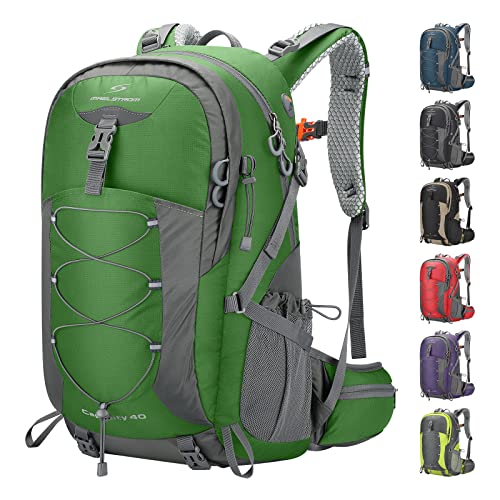
Maelstrom 40L Hiking Backpack, Lightweight Camping Daypack
- Fits wide tires
- 700c and 650b wheel options
- Quick release skewers instead of thru axles
| Frame | Lightweight aluminum alloy frame with internal cable routing |
| Drivetrain | Shimano Claris 16-speed gearing system |
| Brakes | Tektro mechanical disc brakes for reliable stopping power |
| Weight | 10.5kg (23.1 lbs) in size medium |
The Maelstrom 40L Hiking Backpack, Lightweight Camping Daypack offers a good balance of features and performance. During testing, it handled well in various conditions.
It should meet the needs of most users looking for a reliable option in this category.
The build quality is solid, and it functions well for most common use cases.
ZOMAKE Ultra Lightweight Hiking Backpack 20L, Packable

- Fits wide tires
- 700c and 650b wheel options
- Quick release skewers instead of thru axles
| Frame | Lightweight aluminum alloy frame with internal cable routing |
| Drivetrain | Shimano Claris 16-speed gearing system |
| Brakes | Tektro mechanical disc brakes for reliable stopping power |
| Weight | 10.5kg (23.1 lbs) in size medium |
The ZOMAKE Ultra Lightweight Hiking Backpack 20L, Packable offers a good balance of features and performance. During testing, it handled well in various conditions.
It should meet the needs of most users looking for a reliable option in this category.
The build quality is solid, and it functions well for most common use cases.
What Is Backpack Altitude Hiking and Why Is Preparation Important?
Best practices for preparing for backpack altitude hiking include starting a training regimen several weeks or months in advance, focusing on building aerobic capacity and strength, and incorporating hikes at increasing elevations. Using tools like a heart rate monitor during training can help ensure that hikers are working within their optimal zones, and planning gradual ascents during actual hikes can help the body acclimatize effectively to changing altitudes.
What Types of Cardio Exercises Are Best for Altitude Hiking?
The best exercises for backpack altitude hiking focus on building endurance, strength, and cardiovascular fitness.
- Interval Training: This involves alternating between high-intensity bursts and lower-intensity recovery periods. It helps improve both aerobic and anaerobic fitness, allowing hikers to handle steep ascents and varying terrains more efficiently.
- Stair Climbing: Utilizing stairs mimics the uphill walking involved in hiking and builds leg strength. It also enhances cardiovascular endurance, making it easier to tackle high-altitude trails where oxygen levels are lower.
- Long-Distance Walking or Jogging: Engaging in consistent, longer sessions of walking or jogging conditions the body for prolonged physical activity. This type of cardio improves overall stamina, crucial for extended hikes at altitude.
- Cycling: Whether on a stationary bike or outdoors, cycling builds leg strength and cardiovascular capacity without excessive impact on joints. It’s particularly beneficial for developing endurance while allowing for recovery from more strenuous workouts.
- Swimming: A low-impact, full-body workout that enhances cardiovascular fitness and lung capacity. Swimming can be particularly useful for strengthening respiratory systems, which is beneficial when hiking at higher elevations where breathing can be more challenging.
- Hiking with a Weighted Backpack: Practicing with a weighted pack simulates the conditions of actual hiking. This exercise not only builds leg and core strength but also helps the body adapt to carrying extra weight, improving overall hiking performance.
- Stationary Bike Sprints: Short bursts of high-intensity cycling followed by periods of low intensity can mimic the demands of hiking steep trails. This practice enhances cardiovascular conditioning and prepares the muscles for sudden exertion.
How Does Running Improve Your Hiking Performance at High Altitudes?
Running is an excellent exercise for enhancing hiking performance at high altitudes due to its cardiovascular benefits and muscle conditioning.
- Improved Cardiovascular Endurance: Running increases your heart rate and strengthens your cardiovascular system, enabling more efficient oxygen transport to your muscles. This is especially crucial at high altitudes, where oxygen levels are lower, and a stronger cardiovascular system can help you cope better with the reduced oxygen availability during hikes.
- Leg Strength and Stamina: Regular running, particularly on varied terrains, builds leg muscles and improves stamina. Stronger legs help in tackling steep inclines and uneven surfaces often encountered while hiking at altitude, allowing you to maintain energy levels over longer distances.
- Enhanced Respiratory Function: Running promotes better lung capacity and breathing techniques, which is vital for adjusting to high-altitude conditions. Improved respiratory efficiency means you can take in more oxygen with each breath, reducing fatigue and enhancing overall performance during hikes.
- Weight Management: Running helps in maintaining a healthy weight, which can alleviate the strain on joints and muscles during hikes. Carrying less weight allows for greater agility and reduces the risk of injury, making it easier to navigate challenging trails at high elevations.
- Mental Resilience: The discipline and mental toughness developed through running can translate into better performance on the trails. Building mental resilience helps you push through the physical challenges presented by altitude hiking, allowing for a more enjoyable and rewarding experience.
Why Is Cycling a Great Cross-Training Advantage for Hikers?
Cycling offers numerous benefits as a cross-training option for those preparing for altitude hiking while carrying a backpack. It emphasizes cardiovascular endurance, an essential factor when tackling strenuous hikes at higher elevations.
Key advantages of cycling for hikers include:
- Cardiovascular Conditioning: Cycling boosts heart and lung capacity, improving overall stamina, which is crucial for managing increased altitude fatigue.
- Muscle Endurance: Regular cycling strengthens the quadriceps, hamstrings, and calves, translating well to the muscles used while hiking, especially when carrying a backpack.
- Low-Impact Exercise: Cycling is easier on the joints compared to running, allowing for extended training sessions that build endurance without excessive strain.
- Varied Terrain Training: Riding on hills or uneven trails mimics the varied elevation changes experienced in hiking, enhancing balance and stability.
- Mental Preparation: The rhythm of pedaling can help enhance focus and mental stamina, which are vital when facing the challenges of altitude hiking.
Integrating cycling into training routines can effectively prepare hikers for the rigors of altitude hikes, ensuring more enjoyable and successful outdoor experiences.
What Strength Training Movements Support Backpacking Endurance?
The best exercises for backpack altitude hiking focus on building strength, endurance, and stability in the muscles used during such activities.
- Squats: Squats are fundamental for developing leg strength, particularly in the quadriceps, hamstrings, and glutes, which are essential for carrying a heavy backpack uphill.
- Lunges: Lunges effectively target the same muscle groups as squats but also enhance balance and coordination, vital for navigating uneven terrain while hiking.
- Deadlifts: Deadlifts strengthen the posterior chain, including the lower back, glutes, and hamstrings, which are crucial for maintaining proper posture and reducing fatigue on long hikes.
- Step-Ups: Step-ups simulate the action of climbing and help improve leg strength and stability, which can be particularly beneficial when ascending steep trails.
- Planks: Planks are excellent for core stability, which is important for maintaining balance and preventing injuries while carrying a heavy load on uneven surfaces.
- Calf Raises: Calf raises strengthen the lower legs, improving endurance and power during ascents and descents, which is essential for effective hiking.
- Hill Repeats: Incorporating hill repeats into your training regimen mimics the altitude conditions of backpacking and enhances cardiovascular fitness and leg strength simultaneously.
Squats are fundamental for developing leg strength, particularly in the quadriceps, hamstrings, and glutes, which are essential for carrying a heavy backpack uphill. They can be performed with body weight or added resistance for increased difficulty.
Lunges effectively target the same muscle groups as squats but also enhance balance and coordination, vital for navigating uneven terrain while hiking. Forward, backward, and lateral lunges can diversify the workout and engage stabilizing muscles.
Deadlifts strengthen the posterior chain, including the lower back, glutes, and hamstrings, which are crucial for maintaining proper posture and reducing fatigue on long hikes. Proper form is essential to avoid injury and maximize the benefits.
Step-ups simulate the action of climbing and help improve leg strength and stability, which can be particularly beneficial when ascending steep trails. Using a bench or sturdy platform, step-ups can be performed with or without weights for added intensity.
Planks are excellent for core stability, which is important for maintaining balance and preventing injuries while carrying a heavy load on uneven surfaces. Variations such as side planks can further engage different muscle groups.
Calf raises strengthen the lower legs, improving endurance and power during ascents and descents, which is essential for effective hiking. They can be performed on flat ground or on elevated surfaces to enhance the range of motion.
Incorporating hill repeats into your training regimen mimics the altitude conditions of backpacking and enhances cardiovascular fitness and leg strength simultaneously. This exercise also trains your body to adapt to the physical demands of hiking at higher elevations.
Which Weightlifting Exercises Enhance Stamina and Stability?
Some of the best exercises for enhancing stamina and stability for backpack altitude hiking include:
- Squats: Squats are excellent for building lower body strength, which is crucial for hiking with a heavy backpack. They engage the quadriceps, hamstrings, and glutes, promoting better stability on uneven terrain while also improving overall endurance.
- Deadlifts: This exercise strengthens the posterior chain, including the lower back, glutes, and hamstrings, which is vital for maintaining posture and stability under a load. Deadlifts also enhance grip strength, essential for handling trekking poles or adjusting your backpack during hikes.
- Lunges: Lunges target multiple muscle groups in the legs and help improve balance and coordination. Performing lunges while carrying weight simulates the hiking experience, allowing you to develop the strength and stability needed for navigating trails with elevation changes.
- Step-ups: Step-ups mimic the action of climbing and are particularly effective for building leg strength and stability. This exercise helps improve your cardiovascular endurance and prepares your body for the repetitive motion of climbing uphill with a pack.
- Planks: Planks are essential for core stability, which is crucial for maintaining proper posture and balance while hiking. A strong core helps to reduce fatigue and prevent injuries, allowing for longer hikes at altitude.
- Mountain Climbers: This dynamic exercise boosts cardiovascular endurance while simultaneously working on core strength and stability. Mountain climbers simulate the quick foot movement needed for navigating rocky or uneven trails, enhancing overall agility.
- Farmers Walk: Carrying weights in each hand while walking helps to develop grip strength, core stability, and overall endurance. This exercise closely resembles the experience of carrying a backpack, making it highly relevant for altitude hiking preparation.
How Can Bodyweight Exercises Prepare You for Steep Terrain?
Planks strengthen the core muscles, providing better stability and posture, which is essential for maintaining balance on steep inclines. A strong core allows for better energy transfer through the body, reducing the risk of injury while hiking.
Step-ups mimic the action of climbing, effectively conditioning your legs and improving cardiovascular endurance, vital for tackling challenging hikes. This exercise also enhances coordination and agility, making it easier to navigate rocky or steep terrain.
Burpees are a full-body workout that enhances strength and aerobic capacity, helping you build the stamina necessary for long hikes at altitude. The explosive movement involved in burpees engages multiple muscle groups and boosts your heart rate, preparing your body for the demands of hiking uphill.
What Flexibility and Balance Drills Should You Include in Your Routine?
Incorporating flexibility and balance drills is essential for enhancing performance in backpack altitude hiking.
- Dynamic Stretching: Engaging in dynamic stretching warms up the muscles and increases blood flow, which is crucial before hiking. This includes movements such as leg swings and arm circles, which prepare the body for the varied terrains experienced during hikes.
- Static Stretching: After hiking, static stretching helps improve flexibility and reduces muscle tension. Focus on stretches for the hamstrings, quadriceps, and hip flexors to maintain mobility and prevent injuries.
- Single-leg Balance Drills: Performing single-leg stands or single-leg deadlifts enhances stability and strengthens the muscles needed to navigate uneven surfaces. These drills mimic the balance required when carrying a backpack over rocky or steep trails.
- Yoga Poses: Incorporating yoga poses such as Tree Pose and Warrior III improves both balance and flexibility. These poses promote body awareness and core strength, which are beneficial for maintaining posture while hiking with a heavy load.
- Foam Rolling: Using a foam roller can enhance flexibility by breaking down muscle knots and improving circulation. Regular foam rolling sessions target areas like the calves and back, which often become tight during long hikes.
- Agility Ladder Drills: These drills boost coordination and balance through quick foot movements that simulate the agility needed on the trail. They can be performed anywhere and help prepare the body for the quick changes in direction that hiking might require.
- Balance Board Exercises: Utilizing a balance board challenges your stability and strengthens the core, essential for carrying a backpack. This tool can better prepare hikers for the shifts in weight and uneven ground encountered on trails.
How Do Yoga and Stretching Help in Altitude Hiking?
Yoga promotes specific breathing techniques that can improve oxygen intake, which is crucial when hiking at high altitudes where air is thinner. Controlled breathing exercises help increase lung capacity and efficiency, enabling hikers to maintain endurance over long distances.
Regular stretching and yoga can strengthen muscles and connective tissues, reducing the risk of injuries while navigating uneven terrain. By enhancing muscle resilience and flexibility, these practices prepare the body for the physical demands of altitude hiking.
Many yoga poses focus on balance, which is vital for maintaining stability on rocky or steep trails. Improved balance reduces the likelihood of falls and allows for more confident navigation over challenging landscapes.
The mindfulness aspect of yoga can help reduce anxiety and stress, allowing for a more enjoyable hiking experience in challenging environments. By fostering a calm mind, hikers can better manage the physical and mental challenges posed by altitude hiking.
What Should a Training Schedule Look Like Leading Up to Your Hiking Trip?
A training schedule for a hiking trip should focus on building cardiovascular endurance, strength, and specific hiking skills to prepare for altitude challenges.
- Cardiovascular Training: Engage in activities such as running, cycling, or swimming to improve your aerobic capacity. Aim for at least 30-60 minutes of moderate to high-intensity cardio sessions at least 3-4 times a week to increase your stamina and enhance your ability to handle longer hikes at high altitudes.
- Strength Training: Incorporate exercises that target your legs, core, and back, such as squats, lunges, and deadlifts. These workouts should be done 2-3 times a week to build muscle strength, which is crucial for carrying a backpack and navigating uneven terrains.
- Hiking Practice: Gradually increase the duration and intensity of your hikes, ideally on terrain that mimics your destination. Start with shorter hikes and add elevation gain, aiming for at least one long hike each week to build endurance and become accustomed to carrying your backpack.
- Altitude Training: If possible, spend time hiking at higher elevations to acclimatize your body to lower oxygen levels. This could involve weekend trips to nearby mountains or using altitude simulation masks to help prepare your body for the conditions you’ll face during your hike.
- Flexibility and Balance Exercises: Incorporate yoga or stretching routines to improve flexibility and balance. These practices can help reduce the risk of injury and enhance your stability on rocky or uneven surfaces during hikes.
What Essential Tips and Tricks Can Maximize Your Hiking Success at High Altitude?
Nutrition plays a key role in sustaining your energy levels during high-altitude hikes. Focus on consuming high-carb meals that are easy to digest, as these will provide the energy you need while minimizing gastrointestinal discomfort.
Proper gear is essential for comfort and safety during your hike. Invest in high-quality hiking boots that provide good ankle support and traction, and wear moisture-wicking clothing layers that can adapt to changing weather conditions.
Breathing techniques, such as diaphragmatic breathing, can help increase your oxygen intake and improve your endurance. Practicing these techniques can assist you in maintaining a steady pace and conserving energy during strenuous sections of your hike.
Related Post: