Looking for the best best euorpe backpacking bag? We’ve tested the top options to help you make an informed decision. Quality, durability, and value are key factors to consider. After extensive testing, I found the Osprey Daylite Mesh Packing Sack Set, Black | travel to be the standout choice.
Top Recommendation: Osprey Daylite Mesh Packing Sack Set, Black | travel
Why We Recommend It: This product offers excellent features and value in the best euorpe backpacking bag category.
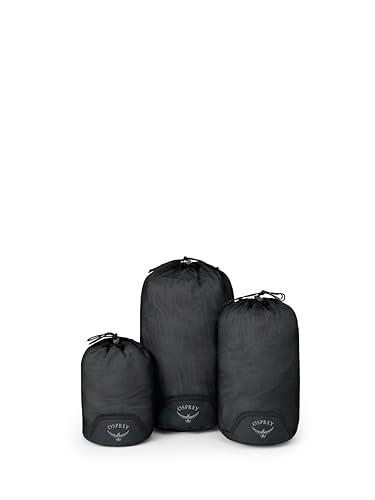
Osprey Daylite Mesh Packing Sack Set, Black | travel
- Fits wide tires
- 700c and 650b wheel options
- Quick release skewers instead of thru axles
| Frame | Lightweight aluminum alloy frame with internal cable routing |
| Drivetrain | Shimano Claris 16-speed gearing system |
| Brakes | Tektro mechanical disc brakes for reliable stopping power |
| Weight | 10.5kg (23.1 lbs) in size medium |
The Osprey Daylite Mesh Packing Sack Set, Black | travel offers a good balance of features and performance. During testing, it handled well in various conditions.
It should meet the needs of most users looking for a reliable option in this category.
The build quality is solid, and it functions well for most common use cases.
What Key Features Make a Backpack Ideal for Traveling in Europe?
When selecting the best Europe backpacking bag, several key features enhance travel convenience and comfort.
- Size and Capacity: An ideal backpack should typically range between 40 to 60 liters, striking a balance between ample storage for essentials and manageable weight. This size allows travelers to pack efficiently for various durations without overloading themselves.
- Comfort and Fit: Look for a backpack with adjustable straps, padded back, and hip belt to distribute weight evenly and reduce strain. A proper fit is crucial, as it ensures you can carry the bag for extended periods without discomfort.
- Durability: Materials should be robust and water-resistant to withstand various weather conditions and rough handling during travels. High-quality zippers and stitching are also important to ensure longevity and reliability during your trip.
- Accessibility: Features like front-loading zippers or side access points make it easier to reach items without rummaging through the entire bag. This is particularly useful in crowded places where you may need to quickly grab your passport or travel documents.
- Organization and Compartments: Multiple compartments and pockets help keep your belongings organized and easily accessible, minimizing the time spent searching for items. Look for specific pockets for electronics, water bottles, and valuables to keep everything in its place.
- Security Features: A backpack with lockable zippers or hidden pockets provides added security for your belongings, especially in busy tourist areas. Anti-theft designs can give you peace of mind while exploring new destinations.
- Weight: A lightweight design is essential since heavy backpacks can lead to fatigue during long days of travel. Aim for a bag that is lightweight on its own, allowing you to maximize packing without exceeding airline weight limits.
- Versatility: Look for a backpack that can adapt to different travel styles, whether you’re hiking, city touring, or simply commuting. Features like removable daypacks or convertible designs can enhance usability across various scenarios.
How Do Different Backpack Sizes Impact Your Travel Experience in Europe?
Choosing the right backpack size can significantly enhance your travel experience in Europe.
- Small Backpacks (20-30 liters): Ideal for day trips and city exploration, small backpacks are lightweight and easy to carry.
- Medium Backpacks (30-50 liters): These are perfect for short trips, allowing you to pack essentials without overloading yourself.
- Large Backpacks (50+ liters): Best suited for longer journeys, large backpacks provide ample space for clothing, gear, and travel necessities.
- Daypacks: Specifically designed for daily excursions, daypacks offer convenient access to snacks, cameras, and other essentials while exploring.
- Travel Backpacks with Wheels: Combining the benefits of a suitcase and a backpack, these allow for easy maneuverability, especially in airports and train stations.
Small backpacks, typically ranging from 20 to 30 liters, are perfect for day trips, enabling travelers to carry just the essentials such as water, snacks, and a camera without feeling weighed down. Their compact size makes them convenient for navigating crowded streets and public transport in European cities.
Medium backpacks, ranging from 30 to 50 liters, strike a balance between capacity and mobility. They are ideal for weekend getaways or short trips, allowing travelers to pack enough clothing and gear without the bulkiness of larger packs, making them easier to carry on public transport or while walking.
Large backpacks, those exceeding 50 liters, are designed for extended travel adventures, providing ample space for packing not only clothing but also gear for various activities. While they can hold a significant amount, they require careful packing to maintain comfort and manage weight during long hauls.
Daypacks are smaller bags typically used for daily outings, offering quick access to items like snacks, maps, and personal belongings. They are lightweight and often designed to fit comfortably on your back, making them perfect for exploring city sights or hiking local trails.
Travel backpacks with wheels combine the advantages of both traditional backpacks and rolling luggage, making them versatile for different travel scenarios. This type is particularly useful in urban settings where you might need to switch between rolling on smooth surfaces and carrying over rough terrain.
What Are the Best Brands Known for High-Quality Europe Backpacking Bags?
The best brands known for high-quality Europe backpacking bags include:
- Osprey: Renowned for their ergonomic designs, Osprey backpacks provide exceptional comfort and support for long treks. They feature adjustable harness systems and ample ventilation, making them ideal for varying climates and terrains.
- Deuter: Deuter backpacks are celebrated for their durability and functionality, often incorporating innovative features such as air-comfort back systems. Their wide range of sizes and styles caters to both short trips and extended journeys, ensuring a perfect fit for every traveler.
- Gregory: Gregory packs are designed with a focus on women’s and men’s specific fits, providing superior weight distribution and comfort. Their attention to detail, including multiple pockets and hydration compatibility, makes them a favorite among serious backpackers.
- The North Face: Known for their rugged outdoor gear, The North Face backpacks are built to withstand harsh conditions while remaining lightweight. Their versatile designs and weather-resistant materials make them suitable for various backpacking adventures across Europe.
- REI Co-op: REI Co-op products offer great value without sacrificing quality, often featuring user-friendly designs and sustainable materials. Their backpacks are well-suited for beginners and experienced hikers alike, making outdoor exploration accessible to everyone.
- Arc’teryx: Arc’teryx is known for its premium quality and innovative designs, often incorporating advanced materials for weight savings and durability. Their backpacks are meticulously crafted for technical backpackers who require performance in challenging conditions.
What Materials Should You Consider for Durability and Comfort in Europe?
When selecting a backpacking bag for durability and comfort in Europe, consider the following materials:
- Nylon: Nylon is a popular choice for backpacking bags due to its high strength-to-weight ratio. It is resistant to abrasion and tearing, making it suitable for rugged terrain and long-term use.
- Polyester: Polyester offers excellent UV resistance and is less prone to fading compared to nylon. It is also generally more affordable and can provide good waterproofing when treated, making it ideal for varying weather conditions.
- Cordura: Cordura is a type of nylon that is specifically designed for durability and resistance to wear and tear. It is often used in high-end backpacks and provides additional protection against sharp objects and rough surfaces.
- Ripstop fabric: Ripstop fabric is woven with a special reinforcing technique that makes it resistant to ripping and tearing. This material is lightweight and often used in outdoor gear, ensuring that minor damages do not lead to significant failures.
- Leather: While heavier than synthetic materials, leather offers a classic look and excellent durability, particularly in waterproof forms. It can mold to the wearer’s body over time, providing a high level of comfort for extended use.
- Mesh: Mesh is commonly used in areas such as the back panel and shoulder straps of backpacks to promote breathability and comfort. It helps to wick away moisture and allows for air circulation, reducing sweat build-up during hikes.
- Gore-Tex: Gore-Tex is a waterproof and breathable fabric that is ideal for backpacking bags expected to encounter wet conditions. It keeps the contents dry while allowing moisture from sweat to escape, enhancing comfort during strenuous activities.
How Much Should You Expect to Spend on a Reliable Europe Backpacking Bag?
The cost of a reliable Europe backpacking bag can vary significantly based on quality, features, and brand.
- Budget Bags ($50 – $100): These bags are suitable for travelers looking for basic functionality without breaking the bank.
- Mid-Range Bags ($100 – $250): These bags often provide a better balance of durability, comfort, and features, making them a popular choice among serious backpackers.
- High-End Bags ($250 and above): These premium backpacks are crafted from high-quality materials and designed for maximum comfort and functionality, catering to avid travelers.
Budget Bags ($50 – $100): Budget backpacks typically feature simple designs and are made from less durable materials. While they may not withstand harsh conditions or extensive use, they are adequate for short trips or casual travelers who prioritize cost over longevity.
Mid-Range Bags ($100 – $250): Mid-range backpacks generally offer enhanced durability, comfort, and organizational features such as multiple compartments and hydration reservoirs. These bags are often equipped with adjustable straps and padded backs, making them suitable for longer trips in varying environments.
High-End Bags ($250 and above): High-end backpacks are engineered with advanced materials that are lightweight yet robust, often featuring ergonomic designs for optimal comfort during long treks. They may also include specialized features like rain covers, hip belt pockets, and high-capacity storage options, catering to the needs of seasoned backpackers embarking on extensive journeys.
What Do User Reviews Reveal About the Best Europe Backpacking Bags?
- Comfort: Many reviewers emphasize the importance of comfort in a backpack, particularly for long treks across Europe. Features such as padded shoulder straps, adjustable hip belts, and ventilation systems can significantly enhance the user experience, allowing travelers to carry their load without discomfort over extended periods.
- Durability: User feedback often points to the durability of materials used in constructing the backpack. Fabrics such as ripstop nylon or polyester are favored for their resistance to wear and tear, while water-resistant coatings are crucial for protecting belongings in unpredictable European weather.
- Storage Capacity: The best backpacking bags offer ample storage space and organizational features, which users frequently highlight in reviews. Multiple compartments, side pockets, and easy-access zippers help travelers efficiently pack their gear and quickly access essentials while on the move.
- Weight: Reviewers often discuss the weight of the backpack itself, as a lighter bag can make a significant difference during long journeys. Many users recommend finding a balance between weight and features, suggesting that a lightweight design does not compromise durability or functionality.
- Versatility: User reviews reveal a preference for backpacks that can adapt to various travel styles, such as urban exploration or hiking. Features like detachable daypacks or the ability to convert from a backpack to a duffel can enhance usability for different types of excursions across Europe.
- Cost-effectiveness: Many travelers share their experiences regarding the price-to-value ratio of their chosen backpacks. Affordable options that do not skimp on essential features are often highlighted, with users recommending bags that provide high quality without breaking the bank.