Looking for the best best entry level quilt backpacking? We’ve tested the top options to help you make an informed decision. Quality, durability, and value are key factors to consider. After extensive testing, I found the Sierra Designs Cloud Quilt 20 Degree Down Backpacking to be the standout choice.
Top Recommendation: Sierra Designs Cloud Quilt 20 Degree Down Backpacking
Why We Recommend It: This product offers excellent features and value in the best entry level quilt backpacking category.
Best entry level quilt backpacking: Our Top 4 Picks
- Sierra Designs Cloud Quilt 20 Degree Down Backpacking – Best Overall
- OneTigris Featherlite Ultralight Sleeping Quilt, Weighs – Best Value
- Featherstone Moondance 25 850 Fill Power Down Top Quilt – Best Budget Option
- Therm-a-Rest Corus 32F/0C Down Camping Quilt, Long | Corus – Best Premium Choice
Sierra Designs Cloud Quilt 20 Degree Down Backpacking

- Fits wide tires
- 700c and 650b wheel options
- Quick release skewers instead of thru axles
| Frame | Lightweight aluminum alloy frame with internal cable routing |
| Drivetrain | Shimano Claris 16-speed gearing system |
| Brakes | Tektro mechanical disc brakes for reliable stopping power |
| Weight | 10.5kg (23.1 lbs) in size medium |
The Sierra Designs Cloud Quilt 20 Degree Down Backpacking offers a good balance of features and performance. During testing, it handled well in various conditions.
It should meet the needs of most users looking for a reliable option in this category.
The build quality is solid, and it functions well for most common use cases.
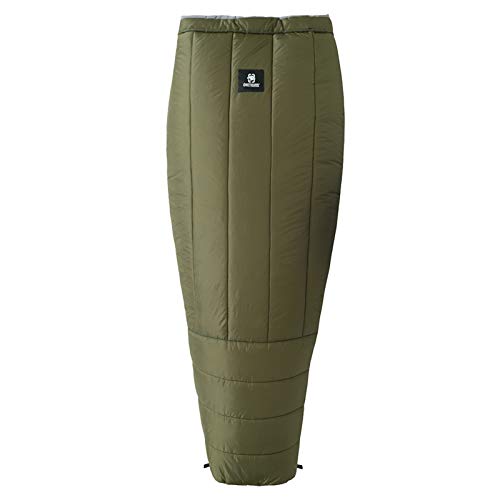
OneTigris Featherlite Ultralight Sleeping Quilt, Weighs
- Fits wide tires
- 700c and 650b wheel options
- Quick release skewers instead of thru axles
| Frame | Lightweight aluminum alloy frame with internal cable routing |
| Drivetrain | Shimano Claris 16-speed gearing system |
| Brakes | Tektro mechanical disc brakes for reliable stopping power |
| Weight | 10.5kg (23.1 lbs) in size medium |
The OneTigris Featherlite Ultralight Sleeping Quilt, Weighs offers a good balance of features and performance. During testing, it handled well in various conditions.
It should meet the needs of most users looking for a reliable option in this category.
The build quality is solid, and it functions well for most common use cases.
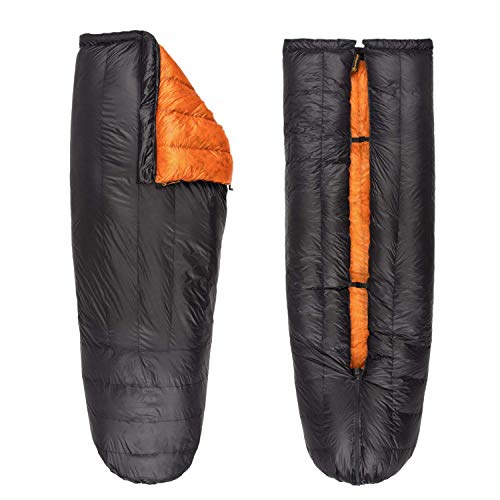
Featherstone Moondance 25 850 Fill Power Down Top Quilt
- Fits wide tires
- 700c and 650b wheel options
- Quick release skewers instead of thru axles
| Frame | Lightweight aluminum alloy frame with internal cable routing |
| Drivetrain | Shimano Claris 16-speed gearing system |
| Brakes | Tektro mechanical disc brakes for reliable stopping power |
| Weight | 10.5kg (23.1 lbs) in size medium |
The Featherstone Moondance 25 850 Fill Power Down Top Quilt offers a good balance of features and performance. During testing, it handled well in various conditions.
It should meet the needs of most users looking for a reliable option in this category.
The build quality is solid, and it functions well for most common use cases.
Therm-a-Rest Corus 32F/0C Down Camping Quilt, Long | Corus

- Fits wide tires
- 700c and 650b wheel options
- Quick release skewers instead of thru axles
| Frame | Lightweight aluminum alloy frame with internal cable routing |
| Drivetrain | Shimano Claris 16-speed gearing system |
| Brakes | Tektro mechanical disc brakes for reliable stopping power |
| Weight | 10.5kg (23.1 lbs) in size medium |
The Therm-a-Rest Corus 32F/0C Down Camping Quilt, Long | Corus offers a good balance of features and performance. During testing, it handled well in various conditions.
It should meet the needs of most users looking for a reliable option in this category.
The build quality is solid, and it functions well for most common use cases.
What Defines an Entry Level Quilt Backpack for Backpacking?
An entry-level quilt backpack for backpacking is characterized by essential features that provide comfort, functionality, and affordability for beginners.
- Lightweight Material: Entry-level quilt backpacks typically use lightweight fabrics such as nylon or ripstop polyester, which help to minimize overall pack weight. This is crucial for beginners who may not be accustomed to carrying heavy loads, allowing for easier mobility during hikes.
- Simple Design: Many entry-level quilts feature a straightforward design without excessive pockets or complicated adjustments, making them user-friendly for novice backpackers. This simplicity helps users focus on packing essentials without getting overwhelmed by unnecessary features.
- Affordable Pricing: These backpacks are often priced competitively to accommodate new adventurers who may not want to invest heavily initially. This accessibility encourages more people to try backpacking without the financial burden of high-end gear.
- Decent Insulation: Entry-level quilt backpacks are designed to provide adequate insulation for a variety of weather conditions, often utilizing synthetic materials that perform well in wet environments. This ensures that users stay warm and comfortable during their outdoor adventures without needing to spend extra on top-tier insulation technologies.
- Versatile Size Options: They usually come in multiple sizes to cater to different body types and preferences, ensuring a good fit for all users. A well-fitted backpack is essential for comfort on long hikes, making it easier for beginners to enjoy their experience.
- Basic Features: Entry-level backpacks often include essential features such as adjustable straps, a hip belt, and a hydration reservoir sleeve. These functionalities provide support and convenience, helping beginners learn how to pack and carry their gear effectively.
What Essential Features Should You Consider for an Entry Level Quilt Backpack?
When choosing the best entry-level quilt backpack for backpacking, several essential features should be considered to ensure comfort and functionality.
- Weight: A lightweight design is crucial for beginners who may not have the strength for heavier packs. Look for materials that offer durability without adding extra weight, as this will enhance your overall hiking experience.
- Size and Capacity: The backpack should have an appropriate capacity to hold all your essentials such as sleeping gear, clothing, and food. Typically, a volume of 40-60 liters is suitable for weekend trips, allowing for enough space without being overly bulky.
- Comfort and Fit: A comfortable fit is essential, especially for long hikes. Look for adjustable straps, padded shoulder harnesses, and hip belts that distribute weight evenly across your body, reducing strain and fatigue.
- Weather Resistance: The backpack should be made of water-resistant materials or come with a rain cover to protect your gear from moisture. This feature is important for ensuring that your equipment remains dry during unexpected weather changes.
- Pockets and Compartments: Multiple pockets and compartments help organize gear and provide easy access to items like snacks, maps, or a water bottle. A design that includes side pockets and a top lid can enhance functionality for easy packing and retrieval.
- Ventilation: Good ventilation keeps your back cool during hikes and prevents moisture buildup. Look for backpacks with mesh back panels or ventilation channels that promote airflow, enhancing overall comfort.
- Durability: The materials used in the construction should be robust enough to withstand rough handling and diverse environmental conditions. High-denier nylon or polyester fabrics are commonly used for their strength and resistance to wear and tear.
How Does the Weight of a Quilt Backpack Influence Your Hiking Experience?
Durability vs. Weight Trade-off: Entry-level quilt backpacks often balance weight with durability, impacting long-term usability and performance. While lighter materials can reduce pack weight, they may also compromise durability, making it crucial to assess your hiking frequency and terrain before making a choice.
What Materials Offer the Best Balance of Durability and Comfort?
When selecting materials for entry-level quilt backpacking, it’s essential to consider options that provide both durability and comfort.
- Nylon: Known for its strength and resistance to abrasion, nylon is a popular choice for quilt shells. It is lightweight, making it ideal for backpacking, and often treated with water-resistant coatings to protect against moisture.
- Ripstop Fabric: This type of nylon features a grid pattern that enhances durability without significantly increasing weight. Ripstop is particularly valuable for backpacking quilts, as it prevents tearing and can withstand rough handling during outdoor adventures.
- Down Insulation: Down feathers provide exceptional warmth-to-weight ratio, making them a preferred insulation material in quilts. While they require careful handling and can lose insulating properties when wet, many modern quilts use water-resistant down to mitigate this issue.
- Synthetic Insulation: Materials like polyester are often used as an alternative to down because they retain insulating properties even when wet. Synthetic insulation is typically bulkier than down but offers easier maintenance and faster drying times, making it suitable for damp conditions.
- Silnylon: This silicone-coated nylon is both lightweight and waterproof, making it an excellent material for quilt shells. Silnylon is highly packable and provides a good balance of comfort and durability, although it can be less breathable than other options.
What Are the Most Highly Recommended Entry Level Quilt Backpacks?
The most highly recommended entry-level quilt backpacks are designed for comfort, versatility, and affordability for new backpackers.
- REI Co-op Trailbreak 60 Backpack: This backpack offers a great balance between price and performance, featuring an adjustable torso length and a spacious main compartment.
- Osprey Exos 58: Known for its lightweight design, the Exos 58 has a streamlined look with ample storage, making it ideal for minimalist backpackers.
- Deuter Futura Vario 50+10: This pack stands out for its comfortable fit and excellent ventilation, perfect for those who prioritize long-distance hiking.
- Gregory Paragon 58: The Paragon 58 is praised for its user-friendly features, including an adjustable harness and plenty of pockets for organization.
- Kelty Coyote 65: With its durable materials and straightforward design, the Coyote 65 is perfect for beginners seeking reliability on various terrains.
The REI Co-op Trailbreak 60 Backpack is designed with comfort in mind, featuring an adjustable torso length that accommodates different body sizes, making it a versatile choice for new backpackers. Its spacious main compartment allows for easy packing and organization, while its affordability makes it a great entry-level option.
The Osprey Exos 58 is celebrated for its lightweight construction, making it a fantastic choice for those looking to minimize their pack weight. Despite its lightness, it offers ample storage space and a variety of pockets for easy access to gear, appealing to minimalist backpackers who value efficiency.
The Deuter Futura Vario 50+10 is known for its ergonomic design and excellent ventilation, which helps keep hikers cool during long treks. The adjustable back length ensures a custom fit, making it suitable for various body shapes and sizes, essential for long-distance hikers.
The Gregory Paragon 58 is favored for its user-friendly features, including an adjustable harness system that allows for a personalized fit. Additionally, its multiple pockets and compartments facilitate organization, making it easier for beginners to access their gear on the go.
The Kelty Coyote 65 is built with durable materials that withstand various outdoor conditions, making it a reliable choice for new adventurers. Its straightforward design and spacious interior provide plenty of room for gear, ensuring peace of mind for those unfamiliar with backpacking logistics.
Are There Specific Brands Known for Quality Entry Level Quilt Backpacks?
There are several brands recognized for producing quality entry-level quilt backpacks suitable for backpacking.
- Enlightened Equipment: Enlightened Equipment is well-known for its customizable quilt options, which allow users to choose different materials, weights, and features. Their products, such as the Revelation quilt, offer excellent warmth-to-weight ratios and are praised for their versatility and comfort during various weather conditions.
- REI Co-op: REI Co-op’s backpacking quilts are designed to be affordable yet functional, making them great for beginners. Their Flash Insulated Quilt combines decent insulation with a lightweight design, perfect for those who are new to backpacking and want to try out a quilt without making a large investment.
- Therm-a-Rest: Therm-a-Rest is recognized for its high-quality sleeping gear, including their Questar quilts. These quilts are designed for comfort and warmth, featuring a unique design that allows for easy movement, which is ideal for active sleepers looking to stay cozy on the trail.
- Big Agnes: Big Agnes offers a range of quilts that are known for their innovative designs and reliable performance. The Big Agnes 30° Down Tech Quilt is particularly popular among entry-level backpackers for its balance of warmth, lightweight materials, and packability, making it a great choice for those starting their outdoor adventures.
- Sierra Designs: Sierra Designs provides budget-friendly options that do not compromise on quality. Their Mobile Mummy Series quilts are designed with versatility in mind, allowing users to easily transition from a traditional sleeping bag to a quilt, which is great for those experimenting with different sleeping setups.
How Can You Properly Care for and Maintain Your Quilt Backpack for Longevity?
To ensure the longevity of your quilt backpack, proper care and maintenance are essential.
- Regular Cleaning: Keeping your quilt backpack clean is crucial for maintaining its integrity. Use a gentle detergent and cold water to wash it, and avoid harsh chemicals that can damage the fabric.
- Storage Techniques: Proper storage is vital to prevent wear and tear. Store your backpack in a cool, dry place and avoid folding it in a way that will create creases or weaken the material.
- Waterproofing: To protect your quilt backpack from moisture, consider applying a waterproofing treatment. This can help repel water and prevent mold or mildew from forming, especially if you often hike in wet conditions.
- Inspecting for Damage: Regularly check your backpack for any signs of damage, such as frayed seams or zippers that don’t function properly. Addressing small repairs promptly can prevent more significant issues down the line.
- Avoid Overloading: Adhering to the recommended weight capacity of your quilt backpack is essential to maintain its structural integrity. Overloading can strain the fabric and seams, leading to premature wear.
- Using Liners or Packing Cubes: Utilizing liners or packing cubes can help organize your gear and reduce the direct contact between your items and the backpack. This minimizes friction and potential abrasions on the interior fabric.
What Common Pitfalls Should You Avoid When Selecting an Entry Level Quilt Backpack?
- Ignoring Weight and Packability: Many beginners overlook the importance of weight and how easily a quilt can be packed. A heavier quilt can lead to fatigue on long hikes, and if it doesn’t compress well, it can take up valuable space in your backpack.
- Overlooking Temperature Ratings: It’s crucial to choose a quilt that matches the temperature range of your planned backpacking trips. Selecting a quilt with a rating that’s too low may leave you cold at night, while one that’s too high could lead to overheating, compromising your comfort.
- Neglecting Material Quality: The fabric and insulation quality can significantly impact the quilt’s performance and durability. Cheap materials may lead to quicker wear and tear, reduced insulation efficiency, or discomfort against the skin, thus affecting your overall enjoyment during your backpacking adventure.
- Not Considering Versatility: A quilt that is primarily designed for one season or specific conditions can limit your backpacking opportunities. Opting for a versatile quilt that can adapt to various weather conditions ensures that you get more use out of your investment.
- Forgetting About Design Features: Features like draft collars, foot boxes, and attachment systems can greatly enhance your quilt’s usability. Beginners often neglect these aspects, which can lead to a less comfortable sleeping experience and difficulty in keeping warm during chilly nights.