Looking for the best best early spring backpacking trip? We’ve tested the top options to help you make an informed decision. Quality, durability, and value are key factors to consider. After extensive testing, I found the Backpacking 101: Choose the Right Gear, Plan Your Ultimate to be the standout choice.
Top Recommendation: Backpacking 101: Choose the Right Gear, Plan Your Ultimate
Why We Recommend It: This product offers excellent features and value in the best early spring backpacking trip category.
Best early spring backpacking trip: Our Top 3 Picks
- Backpacking 101: Choose the Right Gear, Plan Your Ultimate – Best Overall
- Backpacking: The Ultimate Guide to Getting Started on Your – Best Value
- Backpacking: Beginners Guide to Planning, Picking Gear and – Best Budget Option
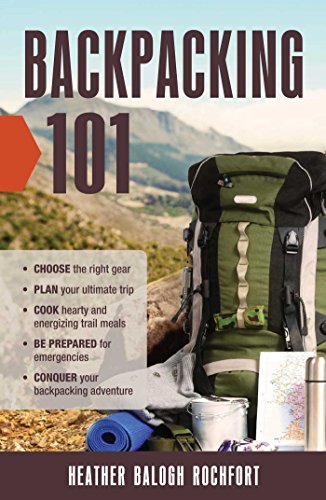
Backpacking 101: Choose the Right Gear, Plan Your Ultimate
- Fits wide tires
- 700c and 650b wheel options
- Quick release skewers instead of thru axles
| Frame | Lightweight aluminum alloy frame with internal cable routing |
| Drivetrain | Shimano Claris 16-speed gearing system |
| Brakes | Tektro mechanical disc brakes for reliable stopping power |
| Weight | 10.5kg (23.1 lbs) in size medium |
The Backpacking 101: Choose the Right Gear, Plan Your Ultimate offers a good balance of features and performance. During testing, it handled well in various conditions.
It should meet the needs of most users looking for a reliable option in this category.
The build quality is solid, and it functions well for most common use cases.
Backpacking: The Ultimate Guide to Getting Started on Your

- Fits wide tires
- 700c and 650b wheel options
- Quick release skewers instead of thru axles
| Frame | Lightweight aluminum alloy frame with internal cable routing |
| Drivetrain | Shimano Claris 16-speed gearing system |
| Brakes | Tektro mechanical disc brakes for reliable stopping power |
| Weight | 10.5kg (23.1 lbs) in size medium |
The Backpacking: The Ultimate Guide to Getting Started on Your offers a good balance of features and performance. During testing, it handled well in various conditions.
It should meet the needs of most users looking for a reliable option in this category.
The build quality is solid, and it functions well for most common use cases.
Backpacking: Beginners Guide to Planning, Picking Gear and

- Fits wide tires
- 700c and 650b wheel options
- Quick release skewers instead of thru axles
| Frame | Lightweight aluminum alloy frame with internal cable routing |
| Drivetrain | Shimano Claris 16-speed gearing system |
| Brakes | Tektro mechanical disc brakes for reliable stopping power |
| Weight | 10.5kg (23.1 lbs) in size medium |
The Backpacking: Beginners Guide to Planning, Picking Gear and offers a good balance of features and performance. During testing, it handled well in various conditions.
It should meet the needs of most users looking for a reliable option in this category.
The build quality is solid, and it functions well for most common use cases.
What Makes Early Spring the Best Time for Backpacking?
Early spring is often considered the best time for backpacking due to several favorable conditions.
- Mild Weather: Early spring typically brings comfortable temperatures that are ideal for long hikes.
- Lesser Crowds: Many popular trails are less crowded during early spring, allowing for a more peaceful experience.
- Wildlife Activity: Early spring is a time when wildlife becomes more active, offering excellent opportunities for observation.
- Blooming Flora: The season marks the beginning of blooming flowers and budding trees, enhancing the scenic beauty of trails.
- Stream and River Flow: Snowmelt increases water flow in streams and rivers, providing beautiful sights and refreshing stops.
Mild Weather: The temperatures in early spring are generally moderate, making it comfortable for backpackers who prefer to avoid the heat of summer. This weather allows for longer days on the trail without the exhaustion that extreme temperatures can cause.
Lesser Crowds: As many hikers wait until summer for their trips, the trails in early spring are often less populated. This not only provides solitude but also allows for a more intimate connection with nature without the distractions of large groups.
Wildlife Activity: With the arrival of spring, animals such as deer, birds, and even bears emerge from their winter hibernation or dormancy. This increased activity provides unique opportunities for wildlife watching and photography along the trails.
Blooming Flora: Early spring brings vibrant colors as flowers begin to bloom and trees start to leaf out. The visual spectacle of nature waking up from winter can be awe-inspiring and is a significant draw for nature enthusiasts and photographers alike.
Stream and River Flow: As temperatures rise, melting snow increases the flow in streams and rivers, creating picturesque landscapes. The sound of rushing water adds to the ambiance of the hiking experience and provides refreshing opportunities for breaks along the trail.
Which Locations Are Top Picks for Early Spring Backpacking Trips?
The best early spring backpacking trips offer mild weather, stunning scenery, and fewer crowds, making them ideal for outdoor enthusiasts.
- Great Smoky Mountains National Park, Tennessee/North Carolina: This park is famous for its diverse ecosystems and blooming wildflowers in early spring.
- Shenandoah National Park, Virginia: Known for its scenic Skyline Drive, it features numerous trails with breathtaking views and early spring flora.
- Big Bend National Park, Texas: The park’s desert landscape comes to life in spring, offering unique hiking experiences and stunning vistas.
- Joshua Tree National Park, California: Spring is an excellent time to explore the park’s unique rock formations and Joshua trees, with comfortable temperatures.
- Red River Gorge, Kentucky: This area is renowned for its sandstone cliffs and numerous trails that showcase the beauty of spring foliage.
Great Smoky Mountains National Park, located at the border of Tennessee and North Carolina, is a top choice for early spring backpacking due to its rich biodiversity and stunning displays of wildflowers that start to bloom around March. The park offers a variety of trails that range from easy to challenging, providing opportunities to experience the beauty of cascading waterfalls and panoramic mountain views.
Shenandoah National Park in Virginia is another prime destination, featuring over 200,000 acres of protected lands and a network of trails that can be enjoyed in the spring. With the blooming of dogwoods and other native plants, hikers can enjoy the panoramic views from Skyline Drive while also exploring the many waterfalls and wildlife that emerge as the weather warms up.
Big Bend National Park in Texas presents an adventurous option with its dramatic desert landscapes and the Rio Grande river. In early spring, temperatures are mild, making it perfect for hiking the Chisos Mountains or exploring the desert trails, where hikers can witness the blooming cacti and enjoy the clear night skies for stargazing.
Joshua Tree National Park in California is renowned for its unique flora and striking rock formations, which are particularly stunning in spring. The mild temperatures allow for comfortable hiking during the day, and the park’s trails cater to various skill levels, making it an excellent destination for both novices and seasoned backpackers.
Red River Gorge in Kentucky is known for its beautiful sandstone cliffs, natural arches, and extensive trail system. In early spring, the area comes alive with vibrant greenery and blooming wildflowers, offering an idyllic setting for those looking to immerse themselves in nature while enjoying the picturesque landscapes and the tranquility of the outdoors.
What National Parks Should You Consider for Early Spring Adventures?
When planning a backpacking trip in early spring, consider these national parks:
- Great Smoky Mountains National Park: Known for its stunning biodiversity and scenic beauty, this park offers mild temperatures and fewer crowds in early spring. The blooming wildflowers and cascading waterfalls create a picturesque backdrop for hikers, and trails like the Alum Cave Trail provide stunning views while avoiding snow-covered paths.
- Joshua Tree National Park: With its unique desert landscapes and iconic Joshua trees, this park is perfect for spring adventures. The weather is pleasantly warm, making it ideal for exploring its rugged terrain, rock formations, and hiking trails like Hidden Valley, which showcases the park’s distinctive flora and fauna.
- Shenandoah National Park: Just a short drive from Washington, D.C., Shenandoah offers beautiful mountain scenery and abundant wildlife. In early spring, the park sees fewer visitors, allowing for a peaceful hiking experience along the Appalachian Trail, where you can enjoy the early blooms and panoramic views from various overlooks.
- Zion National Park: Early spring is an excellent time to visit Zion, as temperatures are mild and the crowds have not yet peaked. The park’s dramatic landscapes, including towering cliffs and canyons, can be explored via trails like the iconic Angel’s Landing, which provides breathtaking views and challenging terrain.
- Redwood National and State Parks: Home to some of the tallest trees in the world, this park offers a unique ecosystem that thrives in early spring. The cool coastal temperatures and occasional rain keep the forest lush, and hiking through the towering redwoods along trails like the Tall Trees Grove allows for an awe-inspiring experience amidst nature’s giants.
- Acadia National Park: Located in Maine, Acadia is known for its rugged coastline and beautiful landscapes. Early spring brings milder weather, making it suitable for exploring the park’s trails, such as the Jordan Pond Path, where you can enjoy the serene views of the pond and surrounding mountains, all while witnessing the awakening of spring wildlife.
Which Lesser-Known Trails Are Perfect for Spring Backpacking?
Some of the best lesser-known trails for an early spring backpacking trip include:
- Cohutta Wilderness, Georgia: This rugged area features diverse flora and fauna, making it a vibrant destination in spring. The trails here offer a mix of challenging terrain and stunning waterfalls, and the blooming wildflowers create a picturesque backdrop for hikers.
- Big Bend National Park, Texas: Despite its remote location, Big Bend offers unique desert landscapes that come alive in springtime with blooming cacti and wildflowers. The moderate temperatures during this season make it ideal for exploring the extensive trail system, including the scenic South Rim Trail.
- North Cascades National Park, Washington: This park boasts breathtaking mountain scenery and is often less crowded in early spring. While some higher elevation trails may still be covered in snow, lower trails like the Cascade Pass offer stunning views and a chance to witness the early thaw of the landscape.
- Shenandoah National Park, Virginia: Known for its beautiful vistas and cascading streams, Shenandoah is a fantastic spring destination. The park’s numerous trails, such as the Old Rag Mountain, provide a moderate challenge and reward hikers with panoramic views of the blooming valley below.
- San Juan Mountains, Colorado: This mountainous region is often overlooked in spring, but it offers incredible scenery and fewer crowds. Trails like the Ice Lake Basin trail showcase stunning alpine lakes and wildflower displays, making for a rewarding backpacking experience early in the season.
What Gear Is Essential for Early Spring Backpacking Success?
The essential gear for early spring backpacking includes items that ensure warmth, versatility, and protection from unpredictable weather conditions.
- Insulated Jacket: An insulated jacket is crucial for maintaining body heat during chilly mornings and evenings. Look for lightweight, packable options that provide warmth without adding excessive bulk, making them easy to carry on your trip.
- Waterproof Rain Jacket: A waterproof rain jacket protects against sudden spring showers and keeps you dry. Choose a breathable fabric to prevent overheating while exerting yourself, ensuring comfort and functionality during your hike.
- Layered Clothing System: A layered clothing system allows you to regulate your body temperature effectively as conditions change throughout the day. Start with moisture-wicking base layers, add insulating layers for warmth, and finish with a weather-resistant outer layer to stay dry and comfortable.
- Durable Hiking Boots: Sturdy hiking boots with good traction are essential for navigating muddy or slippery trails typical in early spring. Ensure they are well-fitted and broken in to prevent blisters and provide ample support over long distances.
- Lightweight Tent: A lightweight tent is important for staying protected from the elements while being easy to carry. Look for a tent with good ventilation and waterproof features, as well as a quick setup design to save time at camp.
- Sleeping Bag Rated for Cool Temperatures: A sleeping bag with a temperature rating suited for the cooler nights of early spring is vital for a restful sleep. Opt for down or synthetic insulation to balance warmth and packability, ensuring you stay warm throughout the night.
- Portable Water Filter: Access to clean drinking water is essential, and a portable water filter allows you to purify water from streams and lakes. This lightweight gear saves you from carrying excessive water weight and is convenient for multi-day trips.
- First Aid Kit: A first aid kit is a must-have for addressing any injuries or ailments that may arise during your backpacking trip. Ensure it includes basic supplies such as bandages, antiseptic wipes, and any personal medications you may need.
- Navigation Tools: Reliable navigation tools, such as a map and compass or GPS device, are important for safely finding your way in remote areas. Familiarize yourself with these tools before your trip to ensure you can confidently navigate the trails.
How Should You Prepare for Variable Weather Conditions?
Preparing for variable weather conditions during the best early spring backpacking trip is crucial for ensuring safety and comfort.
- Layered Clothing: Wearing layers allows you to adjust your clothing based on temperature changes throughout the day.
- Weather-Resistant Gear: Investing in high-quality weather-resistant gear, such as jackets and pants, will help protect you from rain and wind.
- Proper Footwear: Choosing waterproof and breathable footwear is essential to keep your feet dry and comfortable in varying conditions.
- Emergency Supplies: Carrying emergency supplies, such as a first aid kit and a flashlight, ensures you are prepared for unexpected situations.
- Weather Apps and Forecasts: Utilizing weather apps and regularly checking forecasts can help you plan your activities according to the most accurate weather predictions.
Layered clothing is essential because spring temperatures can fluctuate significantly throughout the day. By wearing a moisture-wicking base layer, an insulating mid-layer, and a waterproof outer layer, you can effectively manage your body temperature and stay dry.
Weather-resistant gear is important for protection against unpredictable spring rain and wind. Look for jackets and pants made from breathable, waterproof materials to ensure you remain comfortable and dry while hiking.
Proper footwear is a critical consideration, as wet and muddy trails can lead to discomfort and blisters. Waterproof and breathable hiking boots will help keep your feet dry, while also providing the necessary grip and support for uneven terrain.
Carrying emergency supplies like a first aid kit, a whistle, and a flashlight ensures that you are prepared for any unforeseen circumstances on your trip. These items can be crucial in case of injury or if you need to navigate in low-light conditions.
Finally, utilizing weather apps and regularly checking forecasts allows you to stay informed about changing weather patterns. This knowledge can help you make informed decisions about when to hike, set up camp, or seek shelter during your early spring backpacking trip.
What Wildlife Can You Expect While Backpacking in Early Spring?
Flora and Fungi: The early spring season brings a burst of life to the forest floor with blooming wildflowers and sprouting fungi. This resurgence of plant life not only beautifies the landscape but also attracts various wildlife, creating opportunities for observation and interaction with nature.
What Safety Tips Are Crucial for Early Spring Backpacking?
When planning the best early spring backpacking trip, it’s essential to prioritize safety with the following tips:
- Check Weather Conditions: Before heading out, always review the weather forecast for your intended area. Early spring can be unpredictable, with sudden temperature drops and snow; being aware of these conditions allows for better preparation and gear selection.
- Layer Your Clothing: Dressing in layers is crucial for managing the fluctuating temperatures commonly experienced in early spring. This approach allows you to easily add or remove layers to maintain comfort as conditions change throughout the day.
- Stay Hydrated: Even as temperatures begin to rise, it’s important to drink plenty of water. Early spring can often lead to dehydration due to increased activity levels and the drying effects of wind, so carry enough water and consider water purification methods.
- Be Aware of Trail Conditions: Spring can bring melting snow and muddy trails, which may impact your route. Take extra caution when navigating these conditions, and consider using trekking poles for better stability and support.
- Wildlife Precautions: As animals emerge from hibernation, it’s vital to be aware of wildlife interactions. Make noise while hiking to avoid surprising animals and practice proper food storage techniques to deter them from your campsite.
- First Aid Kit: Always carry a well-stocked first aid kit tailored for hiking emergencies. Early spring can pose risks such as slips on wet ground or encounters with insects, so being prepared can help address minor injuries or issues quickly.
- Plan for Daylight Hours: Days are still relatively short in early spring, so plan your hikes to ensure you have ample daylight. Starting early in the morning and keeping track of time prevents getting caught in the dark, which can lead to disorientation or accidents.
- Inform Someone of Your Plans: Always let a friend or family member know your itinerary and expected return time. This step is crucial for safety, as it ensures someone is aware of your location in case of an emergency.
How Can You Enhance Your Experience on Early Spring Backpacking Trips?
To enhance your experience on early spring backpacking trips, consider the following strategies:
- Choose the Right Gear: Investing in high-quality, weather-appropriate gear is crucial for comfort and safety. Look for lightweight, waterproof tents, and sleeping bags with thermal insulation designed for cooler temperatures.
- Plan Your Route Wisely: Selecting trails that are known to be accessible in early spring can prevent issues with snow or flooded paths. Research local conditions and opt for lower elevations or south-facing trails that warm up faster.
- Be Prepared for Variable Weather: Early spring can bring unpredictable weather, so pack layers that can be easily added or removed. Include rain gear and windbreakers to stay dry and warm during sudden changes.
- Start Early in the Day: Taking advantage of the longer daylight hours by starting your hikes early can help you cover more ground. It also allows you to enjoy the tranquility of the morning and avoid the potential for afternoon rain showers.
- Stay Hydrated and Nourished: Bring plenty of water and high-energy snacks to maintain your stamina. Early spring backpacking can be physically demanding, so plan meals that are easy to prepare and provide good nutrition.
- Know Your Limits: Early spring conditions may present challenges, so remain mindful of your physical capabilities. It’s important to listen to your body and adjust your plans to avoid overexertion or injury.
- Enjoy the Scenery: Take time to appreciate the natural beauty of spring as plants begin to bloom and wildlife becomes more active. Incorporate rest stops to soak in the views and take photographs of the vibrant landscapes.
- Connect with Fellow Backpackers: Engaging with other hikers can enhance the experience through shared stories and tips. Consider joining group hikes or online communities to find companions for your trips.