Looking for the best best early season alpine lakes backpacking washington? We’ve tested the top options to help you make an informed decision. Quality, durability, and value are key factors to consider. After extensive testing, I found the Backpacking Washington’s Alpine Lakes Wilderness to be the standout choice.
Top Recommendation: Backpacking Washington’s Alpine Lakes Wilderness
Why We Recommend It: This product offers excellent features and value in the best early season alpine lakes backpacking washington category.
Best early season alpine lakes backpacking washington: Our Top 3 Picks
- Backpacking Washington’s Alpine Lakes Wilderness – Best Overall
- Backpacking: Washington: Overnight and Multiday Routes – Best Value
- Backpacking Washington: From Volcanic Peaks to Rainforest – Best Budget Option
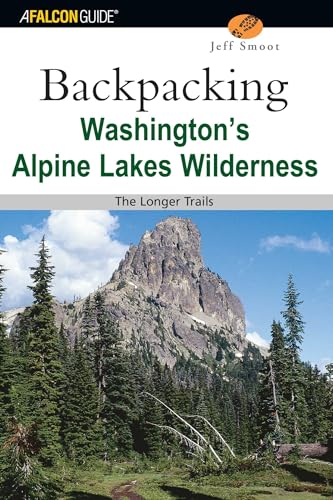
Backpacking Washington’s Alpine Lakes Wilderness
- Fits wide tires
- 700c and 650b wheel options
- Quick release skewers instead of thru axles
| Frame | Lightweight aluminum alloy frame with internal cable routing |
| Drivetrain | Shimano Claris 16-speed gearing system |
| Brakes | Tektro mechanical disc brakes for reliable stopping power |
| Weight | 10.5kg (23.1 lbs) in size medium |
The Backpacking Washington’s Alpine Lakes Wilderness offers a good balance of features and performance. During testing, it handled well in various conditions.
It should meet the needs of most users looking for a reliable option in this category.
The build quality is solid, and it functions well for most common use cases.
Backpacking: Washington: Overnight and Multiday Routes

- Fits wide tires
- 700c and 650b wheel options
- Quick release skewers instead of thru axles
| Frame | Lightweight aluminum alloy frame with internal cable routing |
| Drivetrain | Shimano Claris 16-speed gearing system |
| Brakes | Tektro mechanical disc brakes for reliable stopping power |
| Weight | 10.5kg (23.1 lbs) in size medium |
The Backpacking: Washington: Overnight and Multiday Routes offers a good balance of features and performance. During testing, it handled well in various conditions.
It should meet the needs of most users looking for a reliable option in this category.
The build quality is solid, and it functions well for most common use cases.
Backpacking Washington: From Volcanic Peaks to Rainforest

- Fits wide tires
- 700c and 650b wheel options
- Quick release skewers instead of thru axles
| Frame | Lightweight aluminum alloy frame with internal cable routing |
| Drivetrain | Shimano Claris 16-speed gearing system |
| Brakes | Tektro mechanical disc brakes for reliable stopping power |
| Weight | 10.5kg (23.1 lbs) in size medium |
The Backpacking Washington: From Volcanic Peaks to Rainforest offers a good balance of features and performance. During testing, it handled well in various conditions.
It should meet the needs of most users looking for a reliable option in this category.
The build quality is solid, and it functions well for most common use cases.
Why Are Early Season Alpine Lakes Ideal for Backpacking in Washington?
Moreover, the early season backpacking experience is often enhanced by the unique weather patterns characteristic of Washington’s mountainous regions. The Pacific Northwest experiences a maritime climate that leads to milder temperatures in the early summer months. This means that while lower elevations may be warm, the alpine areas remain pleasantly cool, making for an enjoyable hiking experience without the sweltering heat found later in the summer. The combination of these factors makes early season alpine lakes particularly appealing for outdoor enthusiasts seeking adventure and tranquility.
What Are the Top Early Season Alpine Lakes to Explore?
The best early season alpine lakes for backpacking in Washington offer stunning scenery and rewarding hikes.
- Colchuck Lake: Nestled near the Enchantments, Colchuck Lake is known for its striking turquoise waters and the backdrop of Dragontail Peak. The trail to the lake is about 4 miles one way and can be accessed early in the season, although snow may linger, making for a more challenging trek.
- Lake 22: This picturesque lake is located in the North Cascades and is surrounded by towering cliffs and lush forests. The 5.4-mile trail is well-maintained and generally free of snow early in the season, making it a great option for those looking for a shorter, accessible hike.
- Snow Lake: Snow Lake is one of the most popular destinations in the Alpine Lakes Wilderness, accessible via a 2-mile hike that is often snow-covered early in the season. The lake itself is stunning, with crystal-clear waters and views of the surrounding peaks, offering a serene spot for relaxation and photography.
- Olallie Lake: Located within Olallie State Park, this lake provides a beautiful setting for backpacking with its calm waters reflecting the mountains. The 3.5-mile trail to Olallie Lake is generally clear of snow early in the season, making it an inviting option for a weekend getaway.
- Thunder Lake: A bit more remote, Thunder Lake is accessed by a challenging 8-mile trail that rewards hikers with breathtaking views of the North Cascades. Early season may bring some snow, but the stunning scenery and tranquility of the lake make it worth the effort.
What Makes Skyline Lake a Great Early Season Destination?
Skyline Lake is considered one of the best early season alpine lakes for backpacking in Washington due to several appealing features.
- Accessibility: Skyline Lake is easily reachable from the Snoqualmie Pass area, making it a convenient choice for backpackers looking to enjoy the outdoors early in the season.
- Scenic Beauty: The lake is surrounded by stunning mountain vistas and vibrant wildflowers, offering breathtaking views that enhance the hiking experience.
- Wildlife Viewing: The area around Skyline Lake is rich in wildlife, providing opportunities to see various animal species, which adds an element of excitement to the hike.
- Moderate Trail Difficulty: The trail to Skyline Lake is moderately challenging, making it suitable for both novice and experienced backpackers, ensuring a rewarding adventure for all skill levels.
- Fishing Opportunities: The lake is stocked with fish, making it a great spot for anglers looking to catch some trout while enjoying the tranquil surroundings.
Skyline Lake’s accessibility allows hikers to get to the trailhead quickly, which is especially valuable in the early season when snow levels are still receding. This proximity to major highways and urban areas makes it a popular choice for weekend trips.
The scenic beauty of Skyline Lake is unparalleled, as it provides panoramic views of the surrounding peaks and lush greenery. During the early season, the contrast of the still-icy lake against blooming wildflowers creates a picturesque setting that is perfect for photography and relaxation.
Wildlife is abundant in the Skyline Lake area, with opportunities to spot deer, birds, and other animals in their natural habitat. This vibrant ecosystem enriches the hiking experience, as visitors can enjoy observing nature up close.
The moderate difficulty of the trail makes it accessible to a wide range of hikers, including families and those new to backpacking. The relatively short distance and manageable elevation gain allow for a fulfilling outing without being overly strenuous.
Finally, Skyline Lake is a popular destination for fishing enthusiasts, as it is home to a healthy population of trout. Anglers can enjoy a peaceful day of fishing while taking in the serene beauty of the lake and its surroundings.
Why Should You Choose Talapus Lake for Your Early Season Hike?
Additionally, the biodiversity around Talapus Lake peaks in early spring, with a variety of flora and fauna coming to life after winter. Research from the University of Washington indicates that early season hikes can provide a unique chance to witness the blooming of wildflowers and active wildlife, which is often overshadowed by the more crowded summer months. This combination of accessibility, scenic beauty, and ecological richness makes Talapus Lake a prime destination for early season backpacking in Washington.
What Unique Features Can You Discover at Lake Ingalls?
Lake Ingalls is renowned for several unique features that make it a standout destination for early season alpine backpacking in Washington.
- Stunning Alpine Scenery: The lake is surrounded by dramatic mountain peaks and lush forests, providing breathtaking views that change with the seasons. The vivid blue color of the water contrasts beautifully with the rugged granite cliffs, making it a photographer’s paradise.
- Wildflower Blooms: In early season, the area around Lake Ingalls bursts with vibrant wildflowers, adding splashes of color to the landscape. This natural display typically peaks in late spring and early summer, offering hikers a delightful visual experience as they explore the trails.
- Accessibility: The trailhead for Lake Ingalls is relatively easy to access, making it a popular choice for backpackers looking to enjoy the mountains early in the season. The 5.5-mile hike to the lake is well-marked and provides a moderate challenge, suitable for various skill levels.
- Wildlife Viewing: The diverse ecosystems surrounding Lake Ingalls are home to a variety of wildlife, including deer, marmots, and numerous bird species. Early season hikes often provide excellent opportunities for wildlife sightings, particularly in the quieter hours of the morning or late afternoon.
- Reflection Opportunities: The calm waters of Lake Ingalls create stunning reflections of the surrounding peaks, especially in the early morning or late evening. This natural phenomenon is ideal for those looking to capture the perfect landscape photograph or simply enjoy the serene beauty of the location.
What Makes Snow Lake a Must-Visit Spot in Early Season?
Snow Lake is a standout destination among the best early season alpine lakes for backpacking in Washington due to its stunning scenery and accessibility.
- Accessibility: Snow Lake is easily reachable from the Snoqualmie Pass area, making it an ideal option for early season backpackers. The trailhead is located just off Interstate 90, allowing for a quick getaway, especially in the spring when snow levels are still manageable.
- Scenic Beauty: The lake is surrounded by dramatic peaks and lush forests, offering breathtaking views that are particularly striking in the early season. The contrast of the vibrant green foliage with the still-frozen waters of the lake creates a picturesque landscape ideal for photography and nature lovers.
- Wildlife Viewing: Early season provides excellent opportunities for wildlife observation, as animals are emerging from hibernation and the area is teeming with activity. Hikers may spot deer, various bird species, and even the occasional black bear, enhancing the outdoor experience.
- Flora and Fauna: The alpine meadows around Snow Lake bloom beautifully in late spring, making it a prime spot for wildflower enthusiasts. Unique plant species thrive in this environment, offering a colorful display that contrasts with the alpine surroundings.
- Fishing Opportunities: Snow Lake is home to a variety of fish, including cutthroat trout, which can be a rewarding experience for anglers. Early season is a great time to cast a line, as the fish are typically quite active after the thaw.
- Trail Variety: The trails leading to Snow Lake cater to different skill levels, providing options for both novice and experienced hikers. Whether seeking a short day hike or a more extended backpacking adventure, the area offers diverse routes that showcase the stunning alpine landscape.
How Do You Select the Best Hiking Trails to These Alpine Lakes?
Selecting the best hiking trails to early season alpine lakes in Washington involves considering several key factors to ensure a rewarding experience.
- Trail Accessibility: It’s important to choose trails that are accessible early in the season, typically those that are lower in elevation or have south-facing slopes that melt out faster.
- Scenic Beauty: Look for trails that offer stunning views of the surrounding landscapes, including mountains, forests, and the lakes themselves.
- Trail Difficulty: Assess the difficulty level of the trails and select ones that match your hiking skills and physical condition.
- Wildlife Viewing Opportunities: Consider trails that are known for wildlife sightings, which can add an exciting element to your hiking experience.
- Water Availability: Ensure that the trails provide access to water sources, especially important for hydration during early season hikes.
- Camping Regulations: Familiarize yourself with the camping rules and regulations in the area of your chosen trail to avoid potential issues.
Trails that are accessible early in the season allow hikers to enjoy alpine lakes when the snow has melted enough for safe travel. Checking local trail reports or online forums can provide current conditions, which is vital for planning your hike.
Choosing trails with picturesque scenery enhances the hiking experience and provides excellent photo opportunities. Researching popular trails known for their visual appeal, such as those featured in hiking guides or tourism websites, can help in making the right choice.
Early season hikes can be challenging due to residual snow and mud, so it’s crucial to opt for trails that align with your experience level. Using resources like trail rating systems can help you gauge whether a trail is suitable for your abilities.
Washington’s alpine areas are home to diverse wildlife, and selecting trails in these regions can increase your chances of observing animals in their natural habitat. Researching local wildlife guides can provide insights into the best spots and times for viewing.
As early season conditions can lead to dry patches, selecting trails that lead to lakes or streams will help ensure you have sufficient water. Always check water availability reports for the specific trails you’re considering to avoid running into dehydration issues.
Different areas have varying regulations regarding camping locations and permits, especially in protected alpine regions. Understanding these rules beforehand will ensure a safe and legal camping experience while you enjoy the beauty of Washington’s alpine lakes.
What Essential Gear Should You Pack for Early Season Backpacking?
When preparing for early season backpacking in Washington’s alpine lakes, it’s crucial to pack the right gear to ensure comfort and safety.
- Waterproof Tent: A lightweight, waterproof tent is essential for early season backpacking, as it protects you from rain and potential snow. Look for a tent with good ventilation to reduce condensation while still providing adequate insulation from the chilly nights.
- Sleeping Bag Rated for Cold Weather: Choosing a sleeping bag with a temperature rating suitable for cold nights is vital. Opt for a down or synthetic bag that provides warmth without excessive weight, ensuring you stay comfortable even when temperatures drop.
- Insulated Sleeping Pad: An insulated sleeping pad adds a layer of warmth and comfort between you and the cold ground. It also helps to reduce heat loss, making your sleeping experience much more enjoyable in the cooler early season conditions.
- Layered Clothing System: Dressing in layers allows you to adapt to fluctuating temperatures and weather conditions. Start with moisture-wicking base layers, add insulating mid-layers, and finish with a waterproof and windproof outer layer to stay dry and warm.
- Sturdy Hiking Boots: A good pair of waterproof hiking boots is essential for stability and traction on wet or muddy trails. Look for boots with good ankle support and a rugged sole to handle varied terrain and protect your feet from cold and wet conditions.
- Cooking Equipment: A lightweight stove and cooking gear are necessary for preparing warm meals and boiling water for hydration. Consider a compact, fuel-efficient stove and ensure you pack the necessary utensils and containers for food storage and preparation.
- Navigation Tools: A reliable map, compass, or GPS device is crucial for navigating the trails, especially in early season when some paths may be obscured by snow or overgrowth. Familiarize yourself with the area to stay on track and safe during your hike.
- First Aid Kit: A well-stocked first aid kit is essential for addressing any injuries that may occur on the trail. Include items such as band-aids, antiseptic wipes, blister treatment, and any personal medications to ensure you’re prepared for emergencies.
- Food and Snacks: Pack lightweight, high-calorie food options that are easy to prepare, such as freeze-dried meals, energy bars, and trail mix. Ensure you have enough food to sustain your energy levels, particularly on longer hikes where calorie needs will be higher.
- Hydration System: Staying hydrated is crucial, especially when hiking in cooler weather where you may not feel thirsty. Consider using a hydration reservoir or water bottles, and always carry a water filter or purification tablets in case you need to source water from natural bodies.
What Critical Safety Considerations Are Needed for Early Season Adventures?
When planning early season adventures, particularly in alpine environments, several critical safety considerations must be addressed.
- Weather Conditions: Early season weather can be unpredictable, with rapid changes in temperature and conditions. It’s essential to check forecasts regularly, prepare for rain or snow, and dress in layers to manage fluctuating temperatures.
- Snowpack Stability: In many alpine areas, snowpack can create hazards such as avalanches or hidden obstacles. Familiarize yourself with local snow conditions, practice safe travel techniques, and consider carrying avalanche safety gear if venturing into areas with significant snow accumulation.
- Trail Conditions: Trails can be obscured or impassable due to snow or mud, making navigation challenging. Use maps and GPS devices, and be prepared to turn back if conditions become unsafe or the trail is not traversable.
- Wildlife Awareness: Early season means wildlife is emerging from hibernation, and encounters with bears or other animals can occur. Store food properly, make noise to avoid surprise encounters, and know how to react if you come across wildlife on the trail.
- Water Sources: Early season backpacking often requires careful consideration of water sources, as they may be frozen or flowing at lower rates. Always carry a reliable water filtration system and know the locations of potential water sources along your route.
- First Aid Kit: Carrying a well-stocked first aid kit is crucial, as early season hikes can lead to slips, falls, or other injuries. Ensure your kit includes supplies for treating blisters, cuts, and sprains, and know how to use the items in it.
- Group Size and Communication: Traveling in groups can enhance safety, but communication is key, especially in remote areas. Establish a plan for communication, including designated meeting points and emergency protocols, to ensure everyone’s safety during the trip.
How Can You Prepare for Weather Changes When Hiking at Higher Elevations?
Preparing for weather changes when hiking at higher elevations is essential for safety and enjoyment.
- Layered Clothing: Wearing layers allows you to adjust your body temperature easily as weather conditions change. Start with moisture-wicking base layers, add insulating layers like fleece, and top it off with a waterproof and windproof outer layer to protect against rain and wind.
- Weather Forecast Monitoring: Checking the weather forecast frequently helps you plan your hike according to expected conditions. Use reliable weather apps or websites that provide updates specific to the elevation and region you are hiking in.
- Emergency Gear: Carrying emergency gear, such as a first aid kit, emergency blanket, and a whistle, can be crucial in case of sudden weather changes. This ensures that you are prepared for unexpected situations like getting lost or injured in adverse conditions.
- Hydration and Nutrition: Staying hydrated and maintaining energy levels is vital for coping with changing weather. Bring ample water and high-energy snacks to keep your body functioning optimally, especially if you encounter strenuous conditions.
- Navigation Tools: Having navigation tools like a map, compass, or GPS device is important in case weather obscures trails or landmarks. Familiarize yourself with these tools before your hike to ensure you can find your way safely, even in low visibility conditions.