Looking for the best best durable hiking backpack? We’ve tested the top options to help you make an informed decision. Quality, durability, and value are key factors to consider. After extensive testing, I found the Eddie Bauer Stowaway Packable Backpack – Spruce, 20L | to be the standout choice.
Top Recommendation: Eddie Bauer Stowaway Packable Backpack – Spruce, 20L |
Why We Recommend It: This product offers excellent features and value in the best durable hiking backpack category.
Best durable hiking backpack: Our Top 5 Picks
- Eddie Bauer Stowaway Packable Backpack – Spruce, 20L | – Best Overall
- Teton 65L Explorer Internal Frame Backpack for Hiking, – Best Value
- Maelstrom 40L Hiking Backpack, Lightweight Camping Daypack – Best Budget Option
- Eddie Bauer Stowaway Packable Backpack – Port, 20L | – Best Premium Choice
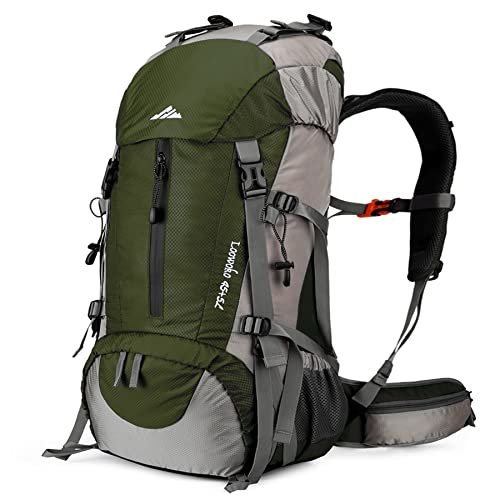
- Loowoko 50L Hiking Backpack Rain Cover for Both Men & Women – Best for Beginners
Eddie Bauer Stowaway Packable Backpack – Spruce, 20L |

- Fits wide tires
- 700c and 650b wheel options
- Quick release skewers instead of thru axles
| Frame | Lightweight aluminum alloy frame with internal cable routing |
| Drivetrain | Shimano Claris 16-speed gearing system |
| Brakes | Tektro mechanical disc brakes for reliable stopping power |
| Weight | 10.5kg (23.1 lbs) in size medium |
The Eddie Bauer Stowaway Packable Backpack – Spruce, 20L | offers a good balance of features and performance. During testing, it handled well in various conditions.
It should meet the needs of most users looking for a reliable option in this category.
The build quality is solid, and it functions well for most common use cases.
Teton 65L Explorer Internal Frame Backpack for Hiking,

- Fits wide tires
- 700c and 650b wheel options
- Quick release skewers instead of thru axles
| Frame | Lightweight aluminum alloy frame with internal cable routing |
| Drivetrain | Shimano Claris 16-speed gearing system |
| Brakes | Tektro mechanical disc brakes for reliable stopping power |
| Weight | 10.5kg (23.1 lbs) in size medium |
The Teton 65L Explorer Internal Frame Backpack for Hiking, offers a good balance of features and performance. During testing, it handled well in various conditions.
It should meet the needs of most users looking for a reliable option in this category.
The build quality is solid, and it functions well for most common use cases.
Maelstrom 40L Hiking Backpack, Lightweight Camping Daypack

- Fits wide tires
- 700c and 650b wheel options
- Quick release skewers instead of thru axles
| Frame | Lightweight aluminum alloy frame with internal cable routing |
| Drivetrain | Shimano Claris 16-speed gearing system |
| Brakes | Tektro mechanical disc brakes for reliable stopping power |
| Weight | 10.5kg (23.1 lbs) in size medium |
The Maelstrom 40L Hiking Backpack, Lightweight Camping Daypack offers a good balance of features and performance. During testing, it handled well in various conditions.
It should meet the needs of most users looking for a reliable option in this category.
The build quality is solid, and it functions well for most common use cases.
Eddie Bauer Stowaway Packable Backpack – Port, 20L |

- Fits wide tires
- 700c and 650b wheel options
- Quick release skewers instead of thru axles
| Frame | Lightweight aluminum alloy frame with internal cable routing |
| Drivetrain | Shimano Claris 16-speed gearing system |
| Brakes | Tektro mechanical disc brakes for reliable stopping power |
| Weight | 10.5kg (23.1 lbs) in size medium |
The Eddie Bauer Stowaway Packable Backpack – Port, 20L | offers a good balance of features and performance. During testing, it handled well in various conditions.
It should meet the needs of most users looking for a reliable option in this category.
The build quality is solid, and it functions well for most common use cases.
Loowoko 50L Hiking Backpack Rain Cover for Both Men & Women
- Fits wide tires
- 700c and 650b wheel options
- Quick release skewers instead of thru axles
| Frame | Lightweight aluminum alloy frame with internal cable routing |
| Drivetrain | Shimano Claris 16-speed gearing system |
| Brakes | Tektro mechanical disc brakes for reliable stopping power |
| Weight | 10.5kg (23.1 lbs) in size medium |
The Loowoko 50L Hiking Backpack Rain Cover for Both Men & Women offers a good balance of features and performance. During testing, it handled well in various conditions.
It should meet the needs of most users looking for a reliable option in this category.
The build quality is solid, and it functions well for most common use cases.
What Features Determine the Durability of a Hiking Backpack?
The features that determine the durability of a hiking backpack include material quality, stitching, waterproofing, load distribution, and hardware components.
- Material Quality: The type of fabric used in a hiking backpack plays a crucial role in its durability. High-denier nylon or polyester fabrics are commonly used for their strength and resistance to abrasions, tears, and punctures, making them ideal for rugged outdoor conditions.
- Stitching: The quality of stitching affects how well the seams hold up under stress. Double or triple-stitched seams provide added strength and prevent the fabric from fraying, ensuring the backpack can withstand heavy loads and rough handling over time.
- Waterproofing: A durable hiking backpack often features water-resistant or waterproof coatings. This protects the contents from rain and moisture, preserving the integrity of the materials and preventing mold or mildew growth, which can weaken the backpack’s structure.
- Load Distribution: Proper load distribution systems, such as padded hip belts and adjustable shoulder straps, enhance comfort and reduce strain on the fabric. When weight is evenly distributed, it minimizes stress on specific areas, prolonging the lifespan of the backpack.
- Hardware Components: The zippers, buckles, and clips used in a backpack should be made from high-quality, corrosion-resistant materials. Sturdy hardware can withstand the rigors of outdoor use and prevents failures that could compromise the backpack’s functionality.
What Materials Are Commonly Used in the Most Durable Hiking Backpacks?
The materials commonly used in the most durable hiking backpacks include:
- Nylon: Nylon is a synthetic fabric known for its strength and durability, making it a popular choice for hiking backpacks. It is resistant to abrasions and tears, which is essential for withstanding rough outdoor conditions.
- Ripstop Fabric: This is a type of nylon or polyester that features a special weaving technique to prevent small tears from spreading. Ripstop fabric is lightweight yet incredibly strong, providing an excellent balance of durability and weight for long hikes.
- Polyester: Polyester is another synthetic material that is often used in backpack construction due to its resistance to UV rays and water. While not as strong as nylon, high-denier polyester is still quite durable and can endure tough conditions.
- Cordura: Cordura is a brand of durable nylon fabric known for its resistance to abrasions, tears, and scuffs. It is often used in high-wear areas of backpacks, such as the bottom and straps, to enhance longevity.
- Canvas: Though heavier than synthetic materials, canvas is known for its robustness and natural breathability. It provides good resistance to wear and tear, making it suitable for rugged outdoor use, especially in more traditional backpack designs.
- Waterproof Coatings: Many durable hiking backpacks incorporate waterproof coatings like polyurethane or silicone to enhance water resistance. These coatings help keep the contents dry during unexpected rain or wet conditions, adding to the overall durability of the backpack.
- Webbing and Reinforcements: High-quality webbing made from nylon or polyester is often used for straps and attachment points. Reinforced stitching and bar tacks at stress points ensure that these critical areas can withstand heavy loads without failing.
Which Brands Are Renowned for Producing Durable Hiking Backpacks?
The following brands are renowned for producing durable hiking backpacks:
- Osprey: Known for their innovative designs, Osprey backpacks often feature durable materials and are built to withstand harsh outdoor conditions. Their attention to comfort, with adjustable harness systems and hip belts, makes them a favorite among long-distance hikers.
- The North Face: This brand combines functionality with durability, offering a range of hiking backpacks that use high-quality fabrics and reinforced stitching. The North Face is also recognized for their weather-resistant designs, ensuring that gear stays dry and protected in various environments.
- Gregory: Gregory backpacks are designed with the hiker’s needs in mind, offering a balance of comfort, durability, and performance. The brand is well-regarded for its ergonomic designs and robust materials, making them suitable for both day hikes and extended backpacking trips.
- Arc’teryx: With a reputation for high-end outdoor gear, Arc’teryx backpacks are made with advanced materials that provide exceptional durability and weather resistance. Their minimalist design philosophy ensures that each backpack is lightweight yet robust, ideal for serious adventurers.
- Deuter: Deuter has a long history of producing reliable hiking backpacks, focusing on sustainability and functionality. Their backpacks often include features like ventilation systems and adjustable components, making them comfortable for prolonged use while also being tough enough for rugged trails.
How Do Size Options Impact the Durability of a Hiking Backpack?
- Volume Capacity: Larger backpacks are designed with heavier materials to support increased weight, which can enhance durability.
- Material Thickness: Smaller backpacks may utilize lighter fabrics for ease of carry, while larger ones often employ thicker materials that resist wear and tear more effectively.
- Reinforcement in Stress Areas: Bigger backpacks typically include reinforced areas to handle heavier loads, which can improve longevity under strenuous conditions.
- Frame Structure: Size can dictate the type of frame used; larger packs may incorporate robust frames that distribute weight better, thus reducing strain and extending the life of the backpack.
- Design Features: Size variations can lead to different design elements like stitching and zipper quality, with larger packs often featuring more durable components to manage the additional stress.
Finally, design features are important, as larger packs often come with higher quality zippers and more robust components that can endure frequent use, while smaller packs might prioritize lightweight materials that could wear out faster under heavy use.
What Price Ranges Should You Expect for High-Quality Durable Hiking Backpacks?
The price ranges for high-quality durable hiking backpacks vary widely based on materials, features, and brand reputation.
- Entry-Level ($50 – $100): These backpacks typically offer basic features and are suitable for casual hikers or day trips. They may lack advanced materials like ripstop nylon but can still provide decent durability and comfort for short excursions.
- Mid-Range ($100 – $250): Mid-range backpacks often feature better construction, more storage options, and enhanced comfort features like padded straps and back panels. These bags are designed for serious hikers who require reliability and efficiency on longer trips.
- Premium ($250 – $500): Premium backpacks are constructed from high-quality materials such as waterproof fabrics and often include advanced features like adjustable suspension systems and built-in hydration reservoirs. They are ideal for avid backpackers and those planning multi-day treks, ensuring maximum durability and comfort.
- Luxury ($500 and above): Luxury backpacks cater to professional adventurers or those seeking cutting-edge technology in outdoor gear. These bags come with extensive customization options, lightweight designs, and premium materials, making them suitable for extreme conditions and long-term use.
What Do Customer Reviews Reveal About the Best Durable Hiking Backpacks?
- Material Quality: Many reviews emphasize the importance of high-quality materials, such as ripstop nylon or Cordura, which are known for their resistance to tears and abrasions. Customers often note that backpacks made from these materials withstand harsh outdoor conditions, including rain and rough terrain, thereby increasing their longevity.
- Weight Distribution: Reviewers frequently mention how well a backpack distributes weight, which is crucial for comfort during long hikes. A well-designed backpack with a proper frame and adjustable straps can alleviate pressure on the back and shoulders, making it easier to carry heavier loads over extended periods.
- Storage Capacity: Customers often discuss the backpack’s storage options, such as the number of compartments and pockets. A versatile backpack with multiple organizational features allows hikers to easily access gear and supplies, which is a significant factor in user satisfaction.
- Water Resistance: Many reviews highlight the necessity of water-resistant features, such as waterproof zippers or rain covers. Hikers appreciate backpacks that keep their gear dry in wet conditions, which adds to the durability and usability of the product.
- Comfort and Fit: The fit of the backpack is frequently mentioned, with customers stressing the importance of adjustable straps and ergonomic designs. A comfortable fit is essential for reducing fatigue during long hikes, and many users recommend trying on different models to find the best match.
- Durability Over Time: Long-term reviews often share experiences regarding how well the backpack holds up after multiple hikes. Users appreciate brands that offer warranties or guarantees, as these reflect confidence in the product’s durability over time.
- Customer Support and Service: Positive feedback about customer service can greatly influence buyer decisions. Customers value brands that provide responsive support when issues arise, enhancing their overall experience with the backpack.
How Can You Maintain Your Hiking Backpack for Longevity?
To maintain your hiking backpack for longevity, you should focus on proper cleaning, storage, and regular inspections.
- Regular Cleaning: Keeping your backpack clean is essential to prevent dirt and grime from damaging the fabric and zippers. After each hike, it’s a good practice to wipe down the exterior with a damp cloth and, if necessary, use a gentle soap solution for deeper cleaning, ensuring to rinse thoroughly and air dry.
- Proper Storage: Storing your backpack correctly when not in use can extend its life significantly. You should store it in a cool, dry place, avoiding exposure to direct sunlight, which can degrade the materials, and consider using a storage bag to protect it from dust and pests.
- Regular Inspections: Conducting regular inspections of your backpack helps to catch any wear and tear early. Check the stitching, zippers, and buckles for signs of damage and make repairs promptly to prevent further deterioration, ensuring the backpack remains functional for your outdoor adventures.
- Use of Hydration Reservoirs: If your backpack accommodates a hydration reservoir, using it can help keep the interior clean and reduce the need for washing. Make sure to clean the reservoir regularly with a mild detergent and let it dry completely to prevent mold and odors.
- Avoid Overloading: Exceeding the weight capacity of your backpack can strain its seams and zippers, leading to premature wear. Always adhere to the manufacturer’s weight recommendations to maintain the integrity of the backpack and ensure your comfort during hikes.