Looking for the best best dried meals for backpacking? We’ve tested the top options to help you make an informed decision. Quality, durability, and value are key factors to consider. After extensive testing, I found the Peak Refuel Beef Stroganoff Freeze-Dried Backpacking Meal to be the standout choice.
Top Recommendation: Peak Refuel Beef Stroganoff Freeze-Dried Backpacking Meal
Why We Recommend It: This product offers excellent features and value in the best dried meals for backpacking category.
Best dried meals for backpacking: Our Top 5 Picks
- Peak Refuel Beef Stroganoff Freeze-Dried Backpacking Meal – Best Overall
- READYWISE Freeze Dried Survival Food Kit, 18 Servings, 9 – Best Value
- Peak Refuel Beef Pasta Marinara Freeze-Dried Meal, 49g – Best Budget Option
- Mountain House Freeze-Dried Dinner Entree | Backpacking – Best Premium Choice
- Peak Refuel Sweet Pork and Rice Freeze-Dried Meal, 40g – Best for Beginners
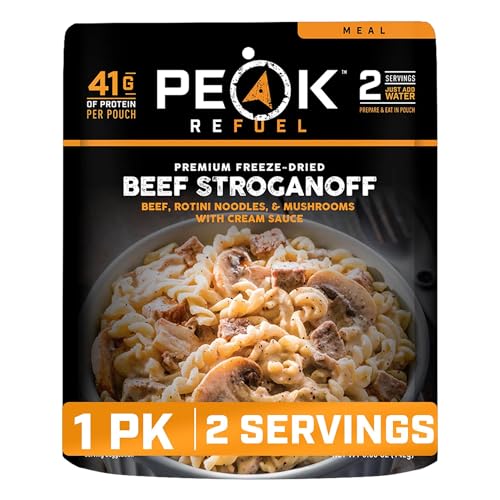
Peak Refuel Beef Stroganoff Freeze-Dried Backpacking Meal
- Fits wide tires
- 700c and 650b wheel options
- Quick release skewers instead of thru axles
| Frame | Lightweight aluminum alloy frame with internal cable routing |
| Drivetrain | Shimano Claris 16-speed gearing system |
| Brakes | Tektro mechanical disc brakes for reliable stopping power |
| Weight | 10.5kg (23.1 lbs) in size medium |
The Peak Refuel Beef Stroganoff Freeze-Dried Backpacking Meal offers a good balance of features and performance. During testing, it handled well in various conditions.
It should meet the needs of most users looking for a reliable option in this category.
The build quality is solid, and it functions well for most common use cases.
READYWISE Freeze Dried Survival Food Kit, 18 Servings, 9

- Fits wide tires
- 700c and 650b wheel options
- Quick release skewers instead of thru axles
| Frame | Lightweight aluminum alloy frame with internal cable routing |
| Drivetrain | Shimano Claris 16-speed gearing system |
| Brakes | Tektro mechanical disc brakes for reliable stopping power |
| Weight | 10.5kg (23.1 lbs) in size medium |
The READYWISE Freeze Dried Survival Food Kit, 18 Servings, 9 offers a good balance of features and performance. During testing, it handled well in various conditions.
It should meet the needs of most users looking for a reliable option in this category.
The build quality is solid, and it functions well for most common use cases.
Peak Refuel Beef Pasta Marinara Freeze-Dried Meal, 49g

- Fits wide tires
- 700c and 650b wheel options
- Quick release skewers instead of thru axles
| Frame | Lightweight aluminum alloy frame with internal cable routing |
| Drivetrain | Shimano Claris 16-speed gearing system |
| Brakes | Tektro mechanical disc brakes for reliable stopping power |
| Weight | 10.5kg (23.1 lbs) in size medium |
The Peak Refuel Beef Pasta Marinara Freeze-Dried Meal, 49g offers a good balance of features and performance. During testing, it handled well in various conditions.
It should meet the needs of most users looking for a reliable option in this category.
The build quality is solid, and it functions well for most common use cases.
Mountain House Freeze-Dried Dinner Entree | Backpacking

- Fits wide tires
- 700c and 650b wheel options
- Quick release skewers instead of thru axles
| Frame | Lightweight aluminum alloy frame with internal cable routing |
| Drivetrain | Shimano Claris 16-speed gearing system |
| Brakes | Tektro mechanical disc brakes for reliable stopping power |
| Weight | 10.5kg (23.1 lbs) in size medium |
The Mountain House Freeze-Dried Dinner Entree | Backpacking offers a good balance of features and performance. During testing, it handled well in various conditions.
It should meet the needs of most users looking for a reliable option in this category.
The build quality is solid, and it functions well for most common use cases.
Peak Refuel Sweet Pork and Rice Freeze-Dried Meal, 40g

- Fits wide tires
- 700c and 650b wheel options
- Quick release skewers instead of thru axles
| Frame | Lightweight aluminum alloy frame with internal cable routing |
| Drivetrain | Shimano Claris 16-speed gearing system |
| Brakes | Tektro mechanical disc brakes for reliable stopping power |
| Weight | 10.5kg (23.1 lbs) in size medium |
The Peak Refuel Sweet Pork and Rice Freeze-Dried Meal, 40g offers a good balance of features and performance. During testing, it handled well in various conditions.
It should meet the needs of most users looking for a reliable option in this category.
The build quality is solid, and it functions well for most common use cases.
What Are the Key Benefits of Dried Meals for Backpacking?
The key benefits of dried meals for backpacking include convenience, lightweight packaging, and long shelf life.
- Convenience: Dried meals are incredibly easy to prepare, requiring only hot water for rehydration. This makes them an ideal choice for backpackers who want to save time and effort during meal preparation after a long day on the trail.
- Lightweight Packaging: One of the most significant advantages of dried meals is their lightweight nature. Since they have had most of their moisture removed, they take up less space and weigh significantly less than fresh or canned foods, allowing backpackers to carry more food without the added bulk.
- Long Shelf Life: Dried meals generally have a long shelf life, often lasting years when stored properly. This durability makes them perfect for long trips or emergency supplies, giving backpackers peace of mind that their food will remain safe to eat without refrigeration.
- Nutritional Value: Many dried meals are designed to be nutritionally balanced, providing essential vitamins, minerals, and macronutrients. This ensures that backpackers can maintain their energy levels and support their physical activity while on the trail.
- Variety of Options: The market for dried meals has expanded significantly, offering a wide range of flavors and cuisines. Backpackers can choose from vegetarian, meat-based, gluten-free, and organic options, catering to different dietary preferences and making meal planning more exciting.
Which Types of Dried Meals Should Backpackers Choose?
The best dried meals for backpacking are those that are lightweight, nutritious, and easy to prepare.
- Dehydrated Soups: These meals are convenient and provide warmth and hydration, essential for cold weather hiking.
- Freeze-Dried Entrees: Often featuring proteins like chicken or beef, these meals retain their flavor and nutritional value while offering a hearty option.
- Instant Oatmeal: A quick and nutritious breakfast choice, instant oatmeal is rich in fiber and can be customized with nuts or dried fruits for added flavor.
- Vegetarian or Vegan Meals: These options cater to dietary preferences and often include a variety of legumes, grains, and vegetables, making them nutritious and filling.
- Backpacking Meal Kits: These comprehensive kits include everything needed for a complete meal, often featuring a main dish, side, and sometimes dessert, ideal for hassle-free cooking.
Dehydrated Soups: They come in various flavors and can be rehydrated easily with hot water. Many backpackers appreciate the comfort of a warm soup after a long day on the trails, making it both a practical and satisfying choice.
Freeze-Dried Entrees: These meals are particularly popular because they offer a wide range of options, from pasta dishes to curries. Freeze-drying preserves the meal’s taste and nutrients while keeping the weight low, which is critical for backpackers.
Instant Oatmeal: This meal is not only easy to prepare—just add hot water—but it also provides sustained energy for the day ahead. With the ability to add toppings like honey, cinnamon, or dried fruits, it can be customized to suit personal taste preferences.
Vegetarian or Vegan Meals: These meals are increasingly available and can be a great source of protein and fiber, making them a healthy choice for those avoiding animal products. They often include ingredients like quinoa, lentils, and various spices, ensuring they are both nutritious and flavorful.
Backpacking Meal Kits: These kits simplify meal prep by including all necessary ingredients in one package. They are ideal for those who want a balanced meal without the need to carry numerous separate items, thus saving space and weight in a backpack.
What Are the Top Nutritionally Balanced Dried Meals?
The top nutritionally balanced dried meals for backpacking include a variety of options that ensure both taste and essential nutrients on the trail.
- Mountain House Chili Mac with Beef: This meal combines macaroni pasta with ground beef, beans, and a rich chili sauce. It is high in protein and provides a satisfying and hearty option for cold nights in the wilderness.
- Backpacker’s Pantry Pad Thai: A vegetarian option that features rice noodles, vegetables, and a flavorful peanut sauce. This meal is not only rich in carbohydrates for energy but also includes a good balance of fats and proteins.
- Good To-Go Quinoa and Vegetable Pilaf: This gluten-free meal is packed with quinoa, a complete protein source, and a variety of vegetables. It provides a nutritious and filling option that is light and easy to carry.
- REI Co-op Moroccan Couscous: This dish includes couscous with vegetables and spices, offering a unique flavor profile. It is rich in carbohydrates and delivers essential vitamins and minerals from the added vegetables.
- Patagonia Provisions Organic Chili: Made with organic ingredients, this chili contains beans, tomatoes, and spices, ensuring a hearty and flavorful meal. It is packed with plant-based protein and fiber, making it a healthy choice for those looking to maintain their energy levels.
What Are the Most Recommended Vegan and Vegetarian Dried Options?
The best dried meals for backpacking that cater to vegan and vegetarian diets include a variety of nutritious and convenient options.
- Dehydrated Vegetable Soups: These soups often contain a mix of vegetables, grains, and seasonings, providing a wholesome meal option. They are lightweight and easy to prepare by just adding hot water, making them perfect for backpacking trips.
- Quinoa and Lentil Dishes: Packed with protein and fiber, quinoa and lentil meals are satisfying options that can be easily dehydrated. These dishes typically include spices and vegetables, offering a hearty and nutritious meal that can be rehydrated in minutes.
- Vegan Chili: A robust option, vegan chili is usually made with a combination of beans, tomatoes, and spices. It’s not only filling but also provides essential nutrients, making it a favorite among backpackers for its comfort and energy-boosting properties.
- Instant Oatmeal Packets: These packets are a great breakfast option for backpackers, as they’re easy to prepare and can be enriched with nuts, seeds, or dried fruits. They offer a quick source of energy and are easily portable, making them ideal for morning meals on the trail.
- Dehydrated Pasta Meals: Pasta dishes made with vegetables and plant-based sauces are excellent choices for backpackers seeking a warm meal. They are lightweight and cook quickly, providing a satisfying and filling option after a long day of hiking.
- Fruit and Nut Mixes: While not meals per se, these mixes are perfect for snacking on the trail. They offer a great source of energy and nutrients, and the variety of flavors can keep morale high during long hikes.
How Should Backpackers Select Dried Meals for Different Trip Conditions?
Backpackers should consider various factors when selecting dried meals for different trip conditions to ensure nutrition, convenience, and enjoyment.
- Caloric Density: Choose meals that provide a high number of calories per serving to meet energy demands during strenuous activities. High-calorie meals help maintain energy levels and can prevent fatigue, especially on long hikes or when food resupply is limited.
- Weight and Packability: Opt for lightweight meals that are easy to pack and carry, as excess weight can become burdensome over long distances. Meals that are compact and designed for backpacking often come in vacuum-sealed packaging, which reduces bulk and weight, making them ideal for outdoor adventures.
- Nutritional Balance: Ensure meals contain a good mix of carbohydrates, proteins, and fats to support overall health and energy needs. Look for meals fortified with vitamins and minerals to help maintain stamina and recovery, particularly on multi-day trips where fresh produce is unavailable.
- Preparation Time: Select meals that require minimal preparation time, especially when camped in remote locations or after a long day of hiking. Options that only require hot water are often preferred, as they simplify the cooking process and reduce the need for additional cooking gear.
- Flavor Variety: Choose meals with diverse flavors to prevent meal fatigue and keep morale high during the trip. Having a range of tastes and textures can enhance the overall experience of backpacking and make each meal something to look forward to, rather than a chore.
- Allergen Considerations: Be mindful of any dietary restrictions or allergies when selecting meals, as many backpackers may have specific needs. Check labels for common allergens and consider options that cater to various dietary preferences, such as vegetarian, gluten-free, or nut-free meals.
- Rehydration Needs: Assess the water availability on your trip, as some dried meals require more water for rehydration than others. If water sources are limited, select meals that require less water or consider carrying extra water for meal preparation.
What Role Do Cooking Times and Preparation Play in Meal Selection?
Cooking times and preparation methods significantly influence the selection of meals for backpacking, especially when considering convenience, nutrition, and energy efficiency.
- Dehydrated Meals: These meals are lightweight and have a long shelf life, making them ideal for backpacking. They require minimal preparation, often just boiling water, and are ready to eat in minutes, which is crucial during long hikes.
- Freeze-Dried Meals: Similar to dehydrated meals, freeze-dried options retain more nutrients and flavors due to the preservation process. They are also quick to prepare, needing only hot water, but they can be slightly heavier than standard dehydrated meals.
- Instant Oatmeal and Grains: Quick-cooking grains and instant oatmeal are excellent for easy breakfasts or side dishes. They require less cooking time and can be prepared with just hot water, providing a nutritious start to the day.
- Pre-Cooked Rice and Pasta: These options offer a hearty base for meals and can be eaten cold or heated quickly. Their convenience makes them a popular choice, allowing backpackers to mix them with other dried ingredients for a balanced meal.
- Snacks and Energy Bars: While not meals in the traditional sense, snacks that are high in calories and nutrients are essential for maintaining energy during long hikes. These typically require no preparation and can be consumed on the go, making them a practical choice for backpackers.
What Are Some Essential Tips for Storing and Preparing Dried Meals While Camping?
To effectively store and prepare dried meals while camping, consider the following essential tips:
- Choose Quality Dried Meals: Select meals that are specifically designed for backpacking, focusing on options that provide balanced nutrition and are lightweight. Look for brands that use high-quality ingredients and have a good reputation for flavor and variety.
- Proper Packaging: Ensure that dried meals are stored in airtight, waterproof bags or containers to prevent moisture from compromising the food. Vacuum-sealing meals can also enhance their shelf life, making them easier to pack and carry.
- Rehydration Techniques: Familiarize yourself with how to rehydrate your meals properly, as some may require hot water while others can be prepared with cold water. Always follow the instructions on the packaging for best results, and consider pre-soaking meals if time allows.
- Meal Planning: Plan your meals in advance based on your camping itinerary, ensuring you have enough food for each day and factoring in any extra for emergencies. Organize meals by day and type, making it easier to pack and access them during your trip.
- Cooking Gear: Invest in lightweight cooking gear, such as a portable stove, pot, and utensils, which make preparing dried meals efficient. Ensure your gear is compatible with the types of meals you’ve chosen, and practice using it before your trip to avoid any surprises.
- Storage During Trip: Keep your meals stored in a cool, dry place while camping to maintain freshness. Use bear-proof containers or hang food from trees to avoid attracting wildlife, especially in areas known for animal activity.
- Waste Management: Be mindful of waste when preparing dried meals, and carry out any trash or leftover packaging. Some camping areas may have specific regulations regarding waste, so always adhere to Leave No Trace principles.