Looking for the best best down parka backpacking? We’ve tested the top options to help you make an informed decision. Quality, durability, and value are key factors to consider. After extensive testing, I found the Eddie Bauer Men’s Boundary Pass Down Parka, Black, Medium to be the standout choice.
Top Recommendation: Eddie Bauer Men’s Boundary Pass Down Parka, Black, Medium
Why We Recommend It: This product offers excellent features and value in the best down parka backpacking category.
Best down parka backpacking: Our Top 5 Picks
- Eddie Bauer Men’s Boundary Pass Down Parka, Black, Medium – Best Overall
- Pioneer Camp Men’s Long Winter Coat Parka Hooded Down – Best Value
- Eddie Bauer Men’s Boundary Pass Down Parka, Brook, Large – Best Budget Option
- Eddie Bauer Women’s CirrusLite Hooded Down Parka Jacket, – Best Premium Choice
- Eddie Bauer Men’s Glacier Peak Seamless Stretch Down Parka, – Best for Beginners
Eddie Bauer Men’s Boundary Pass Down Parka, Black, Medium

- Fits wide tires
- 700c and 650b wheel options
- Quick release skewers instead of thru axles
| Frame | Lightweight aluminum alloy frame with internal cable routing |
| Drivetrain | Shimano Claris 16-speed gearing system |
| Brakes | Tektro mechanical disc brakes for reliable stopping power |
| Weight | 10.5kg (23.1 lbs) in size medium |
The Eddie Bauer Men’s Boundary Pass Down Parka, Black, Medium offers a good balance of features and performance. During testing, it handled well in various conditions.
It should meet the needs of most users looking for a reliable option in this category.
The build quality is solid, and it functions well for most common use cases.
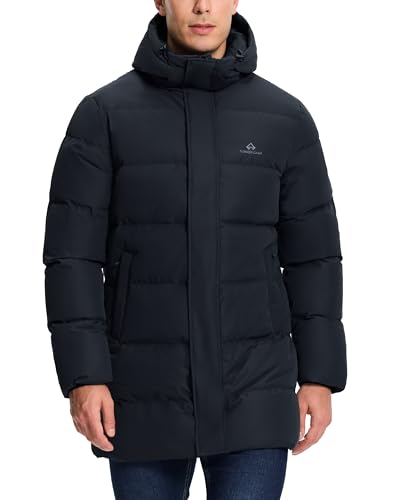
Pioneer Camp Men’s Long Winter Coat Parka Hooded Down
- Fits wide tires
- 700c and 650b wheel options
- Quick release skewers instead of thru axles
| Frame | Lightweight aluminum alloy frame with internal cable routing |
| Drivetrain | Shimano Claris 16-speed gearing system |
| Brakes | Tektro mechanical disc brakes for reliable stopping power |
| Weight | 10.5kg (23.1 lbs) in size medium |
The Pioneer Camp Men’s Long Winter Coat Parka Hooded Down offers a good balance of features and performance. During testing, it handled well in various conditions.
It should meet the needs of most users looking for a reliable option in this category.
The build quality is solid, and it functions well for most common use cases.
Eddie Bauer Men’s Boundary Pass Down Parka, Brook, Large

- Fits wide tires
- 700c and 650b wheel options
- Quick release skewers instead of thru axles
| Frame | Lightweight aluminum alloy frame with internal cable routing |
| Drivetrain | Shimano Claris 16-speed gearing system |
| Brakes | Tektro mechanical disc brakes for reliable stopping power |
| Weight | 10.5kg (23.1 lbs) in size medium |
The Eddie Bauer Men’s Boundary Pass Down Parka, Brook, Large offers a good balance of features and performance. During testing, it handled well in various conditions.
It should meet the needs of most users looking for a reliable option in this category.
The build quality is solid, and it functions well for most common use cases.
Eddie Bauer Women’s CirrusLite Hooded Down Parka Jacket,

- Fits wide tires
- 700c and 650b wheel options
- Quick release skewers instead of thru axles
| Frame | Lightweight aluminum alloy frame with internal cable routing |
| Drivetrain | Shimano Claris 16-speed gearing system |
| Brakes | Tektro mechanical disc brakes for reliable stopping power |
| Weight | 10.5kg (23.1 lbs) in size medium |
The Eddie Bauer Women’s CirrusLite Hooded Down Parka Jacket, offers a good balance of features and performance. During testing, it handled well in various conditions.
It should meet the needs of most users looking for a reliable option in this category.
The build quality is solid, and it functions well for most common use cases.
Eddie Bauer Men’s Glacier Peak Seamless Stretch Down Parka,

- Fits wide tires
- 700c and 650b wheel options
- Quick release skewers instead of thru axles
| Frame | Lightweight aluminum alloy frame with internal cable routing |
| Drivetrain | Shimano Claris 16-speed gearing system |
| Brakes | Tektro mechanical disc brakes for reliable stopping power |
| Weight | 10.5kg (23.1 lbs) in size medium |
The Eddie Bauer Men’s Glacier Peak Seamless Stretch Down Parka, offers a good balance of features and performance. During testing, it handled well in various conditions.
It should meet the needs of most users looking for a reliable option in this category.
The build quality is solid, and it functions well for most common use cases.
What Features Should I Look for in a Down Parka for Backpacking?
When choosing the best down parka for backpacking, consider the following features:
- Insulation Quality: Look for high-quality down insulation with a high fill power rating (600-800+ is ideal) for optimal warmth-to-weight ratio.
- Weight and Packability: A lightweight and compressible design is crucial for backpacking, allowing the parka to be easily packed without taking up too much space.
- Water Resistance: A water-resistant or water-repellent outer fabric can help protect against moisture, ensuring that the insulation maintains its thermal properties in damp conditions.
- Durability: Check for strong and abrasion-resistant materials, as a durable outer shell will withstand the wear and tear of outdoor activities.
- Fit and Mobility: A good fit with articulated sleeves and a design that allows for ease of movement is essential for comfort and functionality while hiking.
- Features and Pockets: Look for functional features such as adjustable hoods, cuffs, and multiple pockets for storage of essentials like maps, snacks, and electronics.
- Length and Coverage: A longer cut can provide additional warmth and coverage, especially in cold or windy conditions, so consider options that offer extended length.
Insulation quality is paramount, as it determines how well the parka retains heat. Higher fill power down insulation provides excellent warmth without adding excessive weight, making it perfect for backpacking where every ounce counts.
Weight and packability are critical for backpackers who need to conserve space and reduce load. A parka that can compress into a small stuff sack allows for easy transport and ensures that you can carry it without hassle on multi-day hikes.
Water resistance is another vital feature, as unexpected rain or wet conditions can quickly diminish the effectiveness of down insulation. Fabrics that are treated with durable water repellent (DWR) finish provide added protection against moisture.
Durability in a down parka ensures that it withstands the rigors of outdoor activities. Look for ripstop fabrics or reinforced seams that can resist tears and abrasions from branches or rugged terrain.
The fit and mobility of the parka should accommodate layering while allowing for a full range of motion. This is particularly important when hiking or climbing, as restricted movement can hinder performance and comfort.
Features and pockets can enhance the functionality of a down parka. Adjustable hoods can provide a snug fit against the wind, while strategically placed pockets allow for easy access to essentials without removing the parka.
Length and coverage should be considered for added warmth. A parka that extends past the hips can protect more of your body from the cold, making a significant difference in frigid conditions.
How Does Insulation Type Affect Warmth and Comfort in Down Parkas?
The type of insulation used in down parkas significantly influences their warmth and comfort, especially for backpacking adventures.
- Natural Down Insulation: This type of insulation is derived from the soft undercoating of ducks or geese and is known for its exceptional warmth-to-weight ratio. Natural down provides excellent compressibility, allowing parkas to be packed down easily for backpacking, while also trapping heat effectively, making it ideal for cold weather.
- Synthetic Insulation: Synthetic materials, such as polyester fibers, mimic the properties of down but offer advantages in wet conditions, as they retain warmth even when damp. While synthetic insulation can be bulkier than down, it often dries faster and is generally more affordable, making it a practical choice for those who encounter rain or snow during their backpacking trips.
- Down Alternative Insulation: This insulation combines synthetic fibers designed to replicate the insulating properties of natural down, providing a lightweight and warm option without using animal products. Down alternative parkas are often easier to care for and can be a good option for those with allergies or ethical concerns regarding animal-derived materials.
- High-Quality Down (e.g., 800 Fill Power and Above): The fill power rating measures the loft or fluffiness of down; higher fill power indicates better insulation efficiency and warmth for its weight. Parkas with high-quality down insulation tend to be more compressible and lighter, making them excellent choices for backpackers who prioritize warmth without adding excessive weight to their packs.
- Water-Resistant or Hydrophobic Down: This type of down has been treated with a water-resistant coating to help maintain its insulation properties in damp conditions. Hydrophobic down is particularly beneficial for backpackers, as it can provide warmth without significant weight gain while reducing the risk of clumping and losing insulation efficiency in wet environments.
Why is Weight and Packability Important for a Backpacking Parka?
Furthermore, the materials used in constructing down parkas, such as nylon or polyester, play a critical role in their weight and packability. Lightweight fabrics combined with high-quality down insulation create a balance of warmth and minimal bulk, further enhancing the usability of the parka (REI Co-op, 2022). This design consideration means that backpackers can enjoy the benefits of insulation without compromising their ability to move freely and efficiently on the trail.
What Fabric Options Enhance Weather Resistance for Backpacking?
Several fabric options enhance weather resistance for backpacking gear such as down parkas.
- Gore-Tex: This is a waterproof and breathable fabric that effectively keeps moisture out while allowing sweat vapor to escape. It is often used in high-performance jackets and parkas, making it ideal for backpacking in wet conditions.
- Pertex: Known for its lightweight and durable qualities, Pertex fabrics are often used in down insulation layers. They provide a windproof barrier and have water-resistant properties, which help in maintaining the insulation’s loft and warmth even in damp environments.
- Ripstop Nylon: This fabric is woven with a special reinforcing technique that makes it resistant to tearing and ripping. When treated with a water-repellent finish, ripstop nylon becomes an excellent choice for lightweight backpacking jackets that can withstand rugged outdoor conditions.
- eVent: Similar to Gore-Tex, eVent offers a breathable and waterproof membrane that allows moisture to escape while preventing water from entering. This makes it suitable for intense activities in variable weather, ensuring comfort during backpacking trips.
- Softshell Fabrics: These materials combine a water-resistant outer layer with a soft inner lining, providing flexibility and comfort. While not completely waterproof, softshells offer adequate protection against light rain and wind, making them suitable for milder backpacking conditions.
What Are the Top Down Parkas Recommended for Backpacking?
When it comes to the best down parkas for backpacking, several standout options offer warmth, packability, and durability.
- Patagonia Frozen Range Parka: This parka is highly regarded for its exceptional insulation and weather resistance. Made with a durable water-repellent (DWR) finish and 700-fill-power recycled down, it provides warmth without excessive weight, making it ideal for backpacking trips.
- Mountain Hardwear Ghost Whisperer Down Parka: Known for its ultralight design, this parka offers a remarkable balance of warmth and packability. With 800-fill down insulation and a compressible design, it can easily fit into any backpack, ensuring that you stay warm without adding bulk.
- The North Face McMurdo Parka: This parka is perfect for colder climates, featuring a combination of down and synthetic insulation for maximum warmth. Its waterproof and windproof outer layer adds a protective barrier against the elements, making it a reliable choice for harsh weather conditions.
- Arc’teryx Camosun Parka: Combining style with functionality, the Camosun is designed for urban and outdoor use alike. Its down insulation is strategically placed to provide warmth while allowing for breathability, and the sleek design makes it suitable for both hiking and city life.
- REI Co-op Down Jacket 650: An affordable yet effective option, this parka provides excellent warmth with its 650-fill power down insulation. It’s designed with a water-resistant shell and is lightweight enough for backpacking, ensuring comfort during long treks without compromising on coziness.
Which Down Parkas Offer the Best Thermal Efficiency for Backpackers?
The best down parkas for backpacking provide excellent thermal efficiency, lightweight design, and packability.
- Patagonia Frozen Range Parka: Known for its exceptional warmth-to-weight ratio, this parka utilizes 700-fill power recycled down insulation.
- Arc’teryx Camosun Parka: This stylish yet functional parka features 750-fill down and is designed with windproof and water-resistant materials, making it ideal for unpredictable weather.
- Mountain Hardwear Ghost Whisperer Down Parka: Weighing in at just over a pound, this parka uses 800-fill down and is highly compressible, perfect for minimalist backpackers.
- The North Face McMurdo Parka: This heavy-duty option provides 550-fill down insulation and is best for extreme cold weather, making it suitable for serious winter backpacking.
- REI Co-op 650 Down Jacket 2.0: A budget-friendly choice, this parka features 650-fill down insulation and is designed to be durable and packable, great for casual backpackers.
The Patagonia Frozen Range Parka combines sustainable materials with high-performance insulation, ensuring that backpackers stay warm without excessive weight. Its recycled down is not only eco-friendly but also provides significant warmth in cold conditions, making it a top choice for long treks.
The Arc’teryx Camosun Parka is perfect for those who want both style and functionality. It boasts high-quality down insulation that traps heat while the outer fabric protects against wind and water, ensuring comfort during long hikes in variable climates.
For those who prioritize weight, the Mountain Hardwear Ghost Whisperer Down Parka is an excellent option. It features an ultra-lightweight design and high fill power down, allowing it to pack down small without sacrificing warmth, making it ideal for minimalist backpacking trips.
The North Face McMurdo Parka is designed for extreme cold, featuring lower fill power down but with a robust outer layer that provides excellent insulation and protection against harsh weather conditions. This parka is ideal for serious winter backpackers who require reliable warmth in the coldest environments.
Finally, the REI Co-op 650 Down Jacket 2.0 offers a great balance of warmth, price, and packability. With its durable construction and good fill power, it’s a practical choice for casual backpackers who want reliable insulation without breaking the bank.
How Do Brand Reputations Impact Quality in Down Parkas?
Brand reputations play a crucial role in determining the quality of down parkas, especially for backpacking purposes.
- Material Quality: Reputable brands often source high-quality down insulation and durable outer fabrics, ensuring their parkas provide warmth and withstand harsh weather conditions.
- Design Innovation: Established brands tend to invest in research and development, leading to innovative designs that enhance functionality, such as improved insulation distribution and waterproofing techniques.
- Customer Feedback and Testing: Brands with strong reputations frequently rely on feedback from outdoor enthusiasts and professionals, allowing them to refine their products based on real-world performance and user experiences.
- Warranty and Customer Support: Well-known brands usually offer better warranties and customer support services, reflecting their confidence in product quality and commitment to customer satisfaction.
- Brand Heritage and Experience: Brands with a long history in the outdoor industry have often mastered the craft of creating reliable down parkas, drawing on years of expertise to enhance quality and performance.
Material Quality: Reputable brands often source high-quality down insulation and durable outer fabrics, ensuring their parkas provide warmth and withstand harsh weather conditions. The insulation is typically treated to be water-resistant, preventing it from losing loft and insulating properties when exposed to moisture, which is essential for backpackers who encounter varying climates.
Design Innovation: Established brands tend to invest in research and development, leading to innovative designs that enhance functionality, such as improved insulation distribution and waterproofing techniques. This innovation often includes features like adjustable hoods, pit zips for ventilation, and pockets designed for easy access even while wearing a backpack.
Customer Feedback and Testing: Brands with strong reputations frequently rely on feedback from outdoor enthusiasts and professionals, allowing them to refine their products based on real-world performance and user experiences. This iterative process ensures that the final product meets the specific needs of backpackers, resulting in higher quality and performance standards.
Warranty and Customer Support: Well-known brands usually offer better warranties and customer support services, reflecting their confidence in product quality and commitment to customer satisfaction. This support can be critical for backpackers, as it assures them that they are investing in a reliable product that can be repaired or replaced if necessary.
Brand Heritage and Experience: Brands with a long history in the outdoor industry have often mastered the craft of creating reliable down parkas, drawing on years of expertise to enhance quality and performance. Their experience enables them to understand the demands of outdoor activities and to produce gear that is not only functional but also comfortable for extended wear.
How Can I Maintain My Down Parka for Long-term Use?
Maintaining your down parka is essential for ensuring its longevity and performance, especially for backpacking adventures.
- Regular Cleaning: Cleaning your down parka regularly helps remove dirt, oils, and odors that can degrade its insulation properties.
- Proper Storage: Storing your parka correctly when not in use can prevent damage from moisture and compression.
- Avoiding Excessive Moisture: Keeping your parka dry is crucial since down loses its insulating properties when wet.
- Using a Down-Specific Detergent: Using the right detergent designed for down can help maintain the loft and insulation of your parka.
- Periodic Fluffing: Fluffing your down parka occasionally helps redistribute the down and maintain its insulating capabilities.
Regular cleaning of your down parka is essential to keep it in optimal condition. It is recommended to wash it every few months or after several uses, especially if it has been exposed to sweat or dirt. Always follow the care label instructions for washing, typically using a front-loading washer to avoid damaging the down.
Proper storage is equally important; you should avoid hanging your down parka on a hanger for extended periods as this can compress the insulation. Instead, fold it loosely or store it in a breathable cotton bag to maintain its loft and shape when not in use.
Avoiding excessive moisture is crucial for maintaining the performance of your down parka. Always ensure that it is completely dry before storing it, and use a water-resistant shell when backpacking in wet conditions to protect it from rain or snow.
Using a down-specific detergent is recommended when washing your parka, as it is formulated to clean without stripping the natural oils from the down feathers. Regular laundry detergents can clump the down and reduce its insulating properties, so investing in a high-quality down cleaner can prolong the life of your parka.
Periodic fluffing is a simple yet effective way to maintain your down parka’s insulation. Gently shaking and patting the jacket can help redistribute the down, preventing it from settling into clumps and ensuring consistent warmth and comfort during your backpacking trips.
What Are the Best Practices for Cleaning and Storing a Down Parka?
When it comes to maintaining a down parka for backpacking, following best practices for cleaning and storage is essential to ensure its longevity and performance.
- Regular Cleaning: It’s important to clean your down parka periodically to remove dirt, oils, and odors.
- Use a Gentle Detergent: Opt for a mild detergent specifically designed for down to preserve the feathers’ integrity.
- Wash in a Front-Loading Machine: A front-loading washer is preferred as it prevents the down from clumping, which can happen in top-loading machines.
- Drying Properly: After washing, it’s crucial to dry your parka thoroughly to prevent mold and maintain loft.
- Storage in a Dry Place: Store your down parka in a breathable bag or loose storage to maintain its shape and prevent compression.
- Avoid Compression for Long-Term Storage: Avoid packing your parka tightly for extended periods to ensure the down retains its insulating properties.
Regular cleaning helps maintain the performance of your down parka by removing impurities that can affect insulation and comfort. It’s recommended to wash your parka every few months or after a significant trip, especially if it has been exposed to moisture or sweat.
Using a gentle detergent designed for down is crucial as regular laundry detergents can strip the natural oils from the feathers, reducing their effectiveness. This specialized detergent helps maintain the down’s loft and insulating properties, ensuring that your parka remains warm and comfortable.
A front-loading washing machine is ideal for washing down jackets because it uses a gentler action compared to top loaders, which can agitate and clump the down feathers together. This helps in keeping the insulation evenly distributed throughout the parka.
After washing, drying your down parka thoroughly is essential to prevent mildew and ensure that the down retains its loft. When using a dryer, adding clean tennis balls or dryer balls can help fluff the down as it dries, preventing clumping and ensuring even distribution.
For long-term storage, keeping your down parka in a dry place is vital. A breathable storage bag allows moisture to escape while preventing dust accumulation, which can damage the fabric and insulation.
Finally, avoid compressing your down parka for extended periods, as this can lead to permanent loss of loft and insulation effectiveness. Instead, store it loosely to allow the down to air out and maintain its shape, ensuring you have a warm and functional parka ready for your next backpacking adventure.
How Can I Preserve the Loft and Durability of My Down Parka?
To preserve the loft and durability of your down parka while backpacking, consider the following tips:
- Proper Washing: Use a gentle detergent specifically designed for down to maintain its insulation properties.
- Drying Techniques: Dry your parka using low heat and include dryer balls to help restore its loft.
- Storage Practices: Store your down parka loosely in a breathable bag rather than compressing it for long periods.
- Avoiding Moisture: Protect your parka from getting wet by using a waterproof shell or storing it in a dry place.
- Regular Inspections: Check for damages or wear and tear regularly to repair any issues before they worsen.
Proper Washing: When washing your down parka, it’s crucial to use a detergent made for down materials, as regular detergents can strip the natural oils from the down feathers, reducing their ability to insulate effectively. Always follow the care label instructions, and consider using a front-loading washing machine to avoid excessive agitation.
Drying Techniques: After washing, drying your down parka properly is essential to restore its loft. Use a dryer on a low heat setting, and add clean tennis balls or dryer balls to help fluff the down, ensuring it dries evenly and maintains its insulating properties.
Storage Practices: When not in use, it’s best to store your down parka in a loose, breathable storage bag rather than compressing it into a small space, as this can damage the down insulation. Keeping it loosely packed helps maintain its loft, which is vital for warmth and durability.
Avoiding Moisture: Since down insulation loses its effectiveness when wet, it’s important to keep your parka dry. Consider using a waterproof shell over your down parka in rainy conditions, and always ensure it is stored in a dry environment to prevent moisture buildup.
Regular Inspections: Inspecting your down parka regularly for any rips, tears, or lost feathers is key to maintaining its longevity. Addressing small issues promptly with repairs can prevent larger problems and ensure your parka remains functional on your backpacking adventures.
What Mistakes Should I Avoid When Selecting a Down Parka for Backpacking?
When selecting a down parka for backpacking, several common mistakes should be avoided to ensure you make the best choice.
- Choosing the Wrong Insulation Fill Power: Insulation fill power refers to the loft of the down, which affects warmth and weight. Higher fill power indicates better insulation while being lighter, making it crucial for backpacking. Aim for a fill power of at least 700 for optimal warmth-to-weight ratio.
- Ignoring Weather Resistance: A down parka should be made from water-resistant or waterproof materials to protect against moisture. Wet down loses its insulating properties, so look for options with a durable water repellent (DWR) finish to keep you warm and dry in varying conditions.
- Neglecting Fit and Mobility: A parka that is too tight can restrict movement, while one that is too loose may let cold air in. Ensure the parka has a comfortable fit that allows for layering underneath and provides freedom of movement, especially when hiking or climbing.
- Overlooking Packability: Since backpacking involves carrying your gear, a parka that can be easily compressed and packed is essential. Look for models that come with a stuff sack or can be folded into a small size without compromising insulation.
- Not Considering Layering Options: A down parka should work well with other layers, so consider how it will fit over your base and mid-layers. Choose a style that accommodates layering without feeling bulky, ensuring you can adjust your insulation based on changing temperatures.
- Ignoring Features: Features like adjustable hoods, cuffs, and hem can significantly enhance usability and comfort. Look for parkas with these features to improve fit and keep the elements out, as well as pockets for convenience on the trail.
- Failing to Check Weight: While down parkas are generally lightweight, some models can be heavier than necessary for backpacking. Aim for a balance between warmth and weight; a lighter parka will reduce your pack load while still providing adequate insulation.
How Does Fit and Sizing Impact Performance in Cold Weather?
Fit and sizing are crucial factors that significantly influence performance in cold weather, especially for activities like backpacking.
- Insulation Effectiveness: The fit of a down parka can affect how well it traps heat. A snug fit without being restrictive ensures that warm air is retained close to the body, while also preventing cold air from entering.
- Layering Capability: Proper sizing allows for efficient layering, which is essential in cold weather. A parka that is too tight may not accommodate additional layers, while one that is too loose can lead to heat loss and reduce overall warmth.
- Mobility and Comfort: The fit impacts the wearer’s ability to move comfortably, which is vital during backpacking. A well-fitted parka allows for a full range of motion, enabling activities like climbing or hiking without restriction.
- Weight Distribution: Sizing affects how the weight of the parka is distributed on the body. A well-sized parka can balance comfort and performance, preventing any strain during long treks.
- Ventilation Control: The fit can also influence how effectively a parka can ventilate moisture. A correctly sized parka with adjustable features helps regulate body temperature, preventing overheating and maintaining comfort.
What Should I Know About Layering Techniques with a Down Parka?
When it comes to layering techniques with a down parka for backpacking, understanding how to achieve optimal insulation and moisture management is essential.
- Base Layer: The base layer is crucial for moisture management and comfort. It should be made from synthetic or merino wool materials that wick sweat away from the skin, keeping you dry and warm. A good base layer allows the down parka to perform effectively by maintaining a stable body temperature.
- Mid Layer: The mid layer provides additional insulation, which is particularly important in colder conditions. Fleece, wool, or lightweight synthetic jackets work well as mid layers, trapping heat and allowing for breathability. This layer should be easily packable, as it may be removed or adjusted based on activity level and weather changes.
- Down Parka: The down parka serves as your outermost layer, providing critical insulation and protection from cold weather. Look for a parka with high fill power down, which offers greater warmth-to-weight ratio. Ensure that the parka is also water-resistant or has a durable water repellent (DWR) finish to protect against light rain or snow.
- Shell Layer: A shell layer is vital for protecting against wind, rain, and snow. This outermost layer should be waterproof and breathable, allowing moisture from sweat to escape while keeping external elements out. A good shell layer can help maintain the integrity of the insulation in your down parka during adverse weather conditions.
- Accessories: Don’t forget to layer with appropriate accessories, such as gloves, hats, and neck gaiters. These items help retain heat and protect extremities, which can be vulnerable to cold temperatures. Choose materials that complement your layering system and provide additional warmth without bulk.