Looking for the best best daypack for light backpacking? We’ve tested the top options to help you make an informed decision. Quality, durability, and value are key factors to consider. After extensive testing, I found the Maelstrom 40L Hiking Backpack, Lightweight Camping Daypack to be the standout choice.
Top Recommendation: Maelstrom 40L Hiking Backpack, Lightweight Camping Daypack
Why We Recommend It: This product offers excellent features and value in the best daypack for light backpacking category.
Best daypack for light backpacking: Our Top 4 Picks
- Maelstrom 40L Hiking Backpack, Lightweight Camping Daypack – Best Overall
- SKYSPER Small Hiking Backpack, 20L Lightweight Travel – Best Value
- Goloni 45L Foldable Hiking Daypack, Lightweight – Best Budget Option
- Haimont 25L Lightweight Hiking Daypack Rain Cover, Orange | – Best Premium Choice
Maelstrom 40L Hiking Backpack, Lightweight Camping Daypack

- Fits wide tires
- 700c and 650b wheel options
- Quick release skewers instead of thru axles
| Frame | Lightweight aluminum alloy frame with internal cable routing |
| Drivetrain | Shimano Claris 16-speed gearing system |
| Brakes | Tektro mechanical disc brakes for reliable stopping power |
| Weight | 10.5kg (23.1 lbs) in size medium |
The Maelstrom 40L Hiking Backpack, Lightweight Camping Daypack offers a good balance of features and performance. During testing, it handled well in various conditions.
It should meet the needs of most users looking for a reliable option in this category.
The build quality is solid, and it functions well for most common use cases.
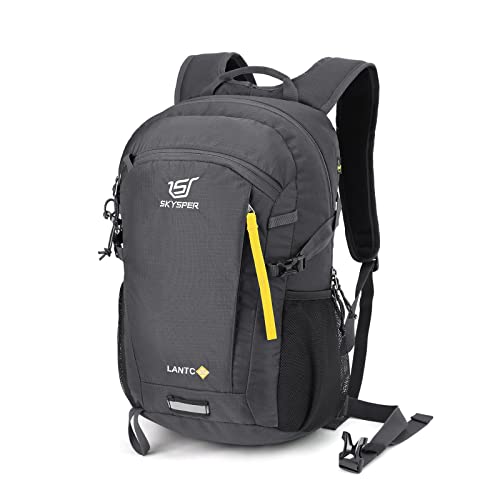
SKYSPER Small Hiking Backpack, 20L Lightweight Travel
- Fits wide tires
- 700c and 650b wheel options
- Quick release skewers instead of thru axles
| Frame | Lightweight aluminum alloy frame with internal cable routing |
| Drivetrain | Shimano Claris 16-speed gearing system |
| Brakes | Tektro mechanical disc brakes for reliable stopping power |
| Weight | 10.5kg (23.1 lbs) in size medium |
The SKYSPER Small Hiking Backpack, 20L Lightweight Travel offers a good balance of features and performance. During testing, it handled well in various conditions.
It should meet the needs of most users looking for a reliable option in this category.
The build quality is solid, and it functions well for most common use cases.
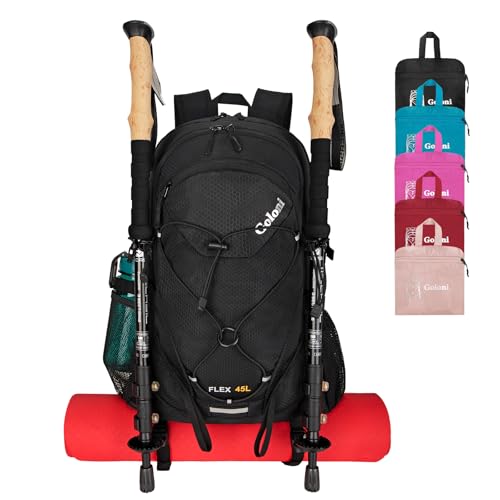
Goloni 45L Foldable Hiking Daypack, Lightweight
- Fits wide tires
- 700c and 650b wheel options
- Quick release skewers instead of thru axles
| Frame | Lightweight aluminum alloy frame with internal cable routing |
| Drivetrain | Shimano Claris 16-speed gearing system |
| Brakes | Tektro mechanical disc brakes for reliable stopping power |
| Weight | 10.5kg (23.1 lbs) in size medium |
The Goloni 45L Foldable Hiking Daypack, Lightweight offers a good balance of features and performance. During testing, it handled well in various conditions.
It should meet the needs of most users looking for a reliable option in this category.
The build quality is solid, and it functions well for most common use cases.
Haimont 25L Lightweight Hiking Daypack Rain Cover, Orange |

- Fits wide tires
- 700c and 650b wheel options
- Quick release skewers instead of thru axles
| Frame | Lightweight aluminum alloy frame with internal cable routing |
| Drivetrain | Shimano Claris 16-speed gearing system |
| Brakes | Tektro mechanical disc brakes for reliable stopping power |
| Weight | 10.5kg (23.1 lbs) in size medium |
The Haimont 25L Lightweight Hiking Daypack Rain Cover, Orange | offers a good balance of features and performance. During testing, it handled well in various conditions.
It should meet the needs of most users looking for a reliable option in this category.
The build quality is solid, and it functions well for most common use cases.
What Features Should You Look for in a Daypack for Light Backpacking?
When searching for the best daypack for light backpacking, consider the following features:
- Capacity: A daypack should typically have a capacity ranging from 15 to 30 liters, making it ideal for carrying essentials without being bulky.
- Weight: Opt for a lightweight design, ideally under 2 pounds, as this will reduce the overall load and enhance comfort during your travels.
- Comfort and Fit: Look for adjustable straps and back panels with padding to ensure that the pack fits well and distributes weight evenly, preventing discomfort on longer hikes.
- Durability: Materials such as ripstop nylon or polyester are essential for ensuring that the daypack can withstand wear and tear from outdoor conditions.
- Water Resistance: A water-resistant or waterproof coating will help protect your gear from rain and moisture, an important feature for unpredictable weather.
- Pockets and Organization: Multiple pockets, including side mesh pockets and a front pocket, allow for easy organization and quick access to items like water bottles and snacks.
- Hydration Compatibility: Many daypacks come with a hydration reservoir sleeve and tube opening, making it convenient to stay hydrated on the go.
- Attachment Points: Look for gear loops or daisy chains for attaching trekking poles, carabiners, or other gear, enhancing the pack’s versatility.
- Ventilation: A daypack with a ventilated back panel can help to reduce heat buildup and keep you more comfortable, especially during strenuous activities.
How Do Size and Capacity Affect Your Backpacking Experience?
- Volume Capacity: The volume capacity of a daypack determines how much gear you can carry, which is crucial for light backpacking.
- Fit and Comfort: The size of a backpack must match your torso length and body shape to ensure a proper fit, impacting your comfort during hikes.
- Weight Distribution: A well-sized backpack allows for better weight distribution, which can enhance your stability and endurance on trails.
- Accessibility and Organization: The size and layout of pockets and compartments in a daypack affect how easily you can access essential items while on the move.
- Packability: Some daypacks can be compressed or packed down for easy storage when not in use, which is a significant advantage for light backpacking.
Volume Capacity: The volume capacity of a daypack determines how much gear you can carry, which is crucial for light backpacking. A pack that is too small may force you to leave essential items behind, while one that is too large could lead to unnecessary weight and bulk, impacting your ability to travel light.
Fit and Comfort: The size of a backpack must match your torso length and body shape to ensure a proper fit, impacting your comfort during hikes. A poorly fitting pack can lead to discomfort, back pain, and fatigue, making it essential to choose a size that corresponds to your body dimensions.
Weight Distribution: A well-sized backpack allows for better weight distribution, which can enhance your stability and endurance on trails. When the weight is evenly distributed across your body, it reduces strain on your back and shoulders, allowing for a more enjoyable hiking experience.
Accessibility and Organization: The size and layout of pockets and compartments in a daypack affect how easily you can access essential items while on the move. A well-organized pack with strategically placed pockets enables you to quickly grab snacks, maps, or gear without having to dig through your entire bag.
Packability: Some daypacks can be compressed or packed down for easy storage when not in use, which is a significant advantage for light backpacking. This feature allows you to save space in your main luggage or carry the daypack conveniently when you don’t need it, making it a versatile addition to your gear.
What Materials Enhance Durability Without Adding Weight?
Several materials are renowned for enhancing durability while maintaining a lightweight profile, making them ideal for daypacks used in light backpacking.
- Dyneema: This ultra-lightweight fabric is known for its incredible strength-to-weight ratio and water resistance. Dyneema fibers are woven in a grid pattern, making the material not only durable but also tear-resistant, which is essential for rugged outdoor use.
- Nylon Ripstop: Lightweight nylon ripstop fabric features a grid pattern that prevents tears from spreading, thereby enhancing its durability. This material is often coated with water-resistant treatments, making it suitable for various weather conditions while still being easy to pack and carry.
- Polyester: Often used in backpack construction, polyester is resistant to stretching and shrinking, which helps maintain the shape of the pack over time. It also has good UV resistance, making it ideal for outdoor activities, and when treated, it can provide water resistance without significantly increasing weight.
- Cordura: A type of nylon fabric known for its durability and resistance to abrasions, Cordura is often used in high-wear areas of backpacks. Despite being tougher than standard fabrics, it can be engineered to remain lightweight, making it suitable for daypacks designed for extended use.
- Silnylon: This silicone-coated nylon is lightweight, waterproof, and highly packable, making it a popular choice for ultralight backpacking gear. Silnylon offers exceptional resistance to the elements while ensuring that the overall weight of the pack is kept to a minimum.
Which Comfort Features Are Essential for All-Day Wear?
The essential comfort features for all-day wear in a daypack for light backpacking include:
- Padded Shoulder Straps: These are crucial for distributing weight evenly across the shoulders, which helps prevent discomfort and fatigue during long hikes. Well-designed straps should contour to the body’s shape and reduce pressure points, allowing for extended wear without soreness.
- Ventilated Back Panel: A breathable back panel helps to minimize sweat accumulation, keeping the wearer cool and comfortable throughout the day. Mesh or similar materials enhance airflow, which is particularly important during strenuous activities or in warm weather.
- Adjustable Fit: An adjustable harness system allows users to customize the fit of the pack to their body type, ensuring stability and comfort while moving. This feature helps in achieving the perfect balance, reducing the likelihood of the pack shifting during hikes.
- Hip Belt: A well-padded hip belt transfers some of the weight from the shoulders to the hips, which alleviates strain on the upper body. This feature enhances stability and comfort, especially when carrying heavier loads over extended periods.
- Lightweight Materials: Using lightweight yet durable materials in the pack’s construction minimizes the overall weight, making it easier to carry for long distances. This feature is particularly beneficial for light backpacking, where every ounce counts in enhancing comfort and ease of movement.
- Load Lifters: These straps connect the top of the pack to the shoulder straps, allowing for better weight distribution and stability. By pulling the pack closer to the body, load lifters help maintain balance and reduce the feeling of heaviness on the shoulders.
- Multiple Pockets and Compartments: Having various pockets allows for organized storage, making it easy to access essential items without rummaging through the entire pack. This organization can enhance the overall experience by ensuring that frequently used items are readily available, reducing frustration during hikes.
What Are the Best Daypacks for Light Backpacking Available Today?
The best daypacks for light backpacking combine comfort, functionality, and lightweight design.
- Osprey Daylite Plus: This versatile daypack features a large main compartment, an internal hydration sleeve, and multiple pockets for organization.
- REI Co-op Flash 22: Known for its minimal weight, this pack is designed with a spacious main compartment and exterior pockets that provide quick access to essentials.
- Deuter Speed Lite 20: With a sleek design and a focus on functionality, this daypack offers a lightweight build and excellent ventilation for comfortable carrying.
- Patagonia Black Hole 25L: This durable daypack is made from weather-resistant materials, making it suitable for various outdoor conditions while providing ample storage space.
- Gregory Nano 18: Compact and lightweight, the Nano 18 is ideal for short hikes, featuring a breathable back panel and hydration reservoir compatibility.
The Osprey Daylite Plus is designed for both day hikes and travel, offering a balance of durability and comfort, making it a popular choice among outdoor enthusiasts. It includes side mesh pockets, a front pocket for quick access, and a removable hip belt for extra support.
The REI Co-op Flash 22 is particularly appealing for those seeking a lightweight option without sacrificing functionality. Its streamlined design allows for easy packing and unpacking, while the adjustable harness ensures a snug fit during movement.
The Deuter Speed Lite 20 stands out for its ergonomic design and robust materials, providing both comfort and stability on the trail. Its lightweight structure is complemented by features like gear loops and a front pocket for organization.
The Patagonia Black Hole 25L is an excellent choice for those who need a resilient pack that can withstand tough weather. Its water-repellent fabric and spacious design make it versatile for both hiking and everyday use.
The Gregory Nano 18 is perfect for minimalist backpackers looking for a compact option. It’s designed with a focus on comfort and breathability, offering essential features like hydration compatibility and a front stretch pocket for easy access to gear.
Which Benefits Make the Osprey Daylite Plus a Top Choice?
The Osprey Daylite Plus stands out as one of the best daypacks for light backpacking due to its versatile features and comfort.
- Comfortable Fit: The Osprey Daylite Plus is designed with adjustable shoulder straps and a breathable mesh back panel, which provide excellent ventilation and comfort during long hikes. This ergonomic design helps distribute weight evenly, reducing fatigue and enhancing overall user experience.
- Ample Storage Capacity: With a capacity of 20 liters, this daypack offers enough space for essentials like water, snacks, and extra layers without being bulky. Its main compartment is spacious, while additional pockets allow for organized storage of smaller items like keys and maps.
- Durable Materials: Constructed from high-quality, tear-resistant fabrics, the Daylite Plus is built to withstand the rigors of outdoor activities. This durability ensures that the pack remains functional and reliable over time, even in adverse weather conditions.
- Versatility: The Osprey Daylite Plus can be used for various activities, from day hikes to urban excursions. Its compatibility with Osprey’s larger backpacks allows it to be used as a summit pack or a day trip bag, making it an excellent choice for multi-day adventures.
- Hydration Compatibility: The pack includes a hydration reservoir sleeve, accommodating a bladder for easy access to water on the go. This feature is particularly beneficial for those who prefer to stay hydrated without stopping to fish out a water bottle.
- Lightweight Design: Weighing only around 1 pound, the Daylite Plus is incredibly lightweight, making it ideal for light backpacking and minimizing the overall load. This lightweight feature allows users to pack more essentials without feeling overwhelmed by the weight of their gear.
Why Is the REI Co-op Flash 22 Considered a Smart Lightweight Option?
The REI Co-op Flash 22 stands out as a smart lightweight option for day hikes and light backpacking due to its thoughtful design and functionality. Weighing in at a mere 1 pound, this pack proves that you don’t need to compromise durability for weight.
Key features include:
-
Versatile Storage: With a 22-liter capacity, the Flash 22 provides enough room for essentials like water, snacks, a first-aid kit, and extra layers. The front pocket mesh pouch is perfect for stashing quick-access items.
-
Comfort: The adjustable shoulder straps and ventilated back panel ensure a comfortable fit, even on longer treks. The minimalist design reduces bulk while still offering adequate support.
-
Durability: Made from lightweight yet robust materials, the pack withstands the rigors of outdoor adventures without sacrificing weight.
-
Accessibility: The hydration reservoir sleeve provides easy access to water, while external gear loops allow you to attach trekking poles or light jackets.
These features make the REI Co-op Flash 22 a top choice for those seeking a lightweight yet functional daypack for their light backpacking needs.
What Distinguishes the Patagonia Black Hole Mini in Terms of Usability?
The Patagonia Black Hole Mini is distinguished by its design and functionality, making it a top choice for light backpacking.
- Durable Material: The pack is made with a highly durable, water-resistant fabric that can withstand harsh conditions and rough handling. This material is ideal for outdoor use as it helps protect your belongings from moisture and abrasion during your adventures.
- Compact Size: With a capacity of around 20 liters, the Black Hole Mini is perfectly sized for day hikes or short excursions. Its compact form allows for easy storage when not in use while still providing enough space for essential gear like snacks, water, and a light jacket.
- Versatile Carrying Options: The pack features adjustable straps that allow for comfortable carrying, whether on your back or as a shoulder bag. This versatility makes it suitable for various activities, from hiking to casual outings in the city.
- Easy Access Pockets: It includes multiple pockets, including a front stash pocket and internal organization compartments, ensuring quick access to your gear. This thoughtful design helps keep your essentials organized, making it easier to find what you need on the go.
- Eco-Friendly Design: Patagonia is committed to sustainability, and the Black Hole Mini is made from recycled materials, reducing environmental impact. This commitment appeals to eco-conscious consumers who want to make responsible choices while enjoying outdoor activities.
How Can You Optimize Your Daypack for Light Backpacking?
To optimize your daypack for light backpacking, consider the following key factors:
- Weight: Choose a lightweight daypack that minimizes extra bulk.
- Capacity: Select a pack with an appropriate volume for your gear to prevent overpacking.
- Comfort: Look for adjustable straps and a well-ventilated back panel to ensure comfort during hikes.
- Accessibility: Opt for a pack with multiple pockets and easy access compartments for efficient organization.
- Weather Resistance: Consider a daypack made from durable, water-resistant materials to protect your belongings.
- Hydration System: Ensure compatibility with a hydration reservoir or have external pockets for water bottles.
Weight: The weight of your daypack is crucial for light backpacking; a lighter pack means less strain on your back and shoulders. Look for packs made from lightweight materials that still offer the necessary durability for outdoor use.
Capacity: Daypacks typically range from 20 to 30 liters, which is sufficient for a day’s worth of gear. Choosing the right capacity helps you avoid bringing unnecessary items, which will keep your load light and manageable.
Comfort: A comfortable fit is paramount for enjoyable hiking. Features like padded shoulder straps, a hip belt, and a breathable back panel can significantly improve comfort during long treks.
Accessibility: A well-organized daypack allows you to quickly find gear without rummaging through your bag. Look for packs with various pockets, including side mesh pockets for water bottles and front pockets for smaller essentials.
Weather Resistance: Since weather conditions can change rapidly in the outdoors, a water-resistant daypack is essential. Materials like nylon or polyester with water-repellent coatings can keep your gear dry in light rain.
Hydration System: Staying hydrated is key while hiking, so look for a daypack that accommodates a hydration reservoir or has external pockets designed for water bottles. This feature ensures easy access to water while on the move.
What Packing Techniques Should You Implement for Efficiency?
Implementing efficient packing techniques can greatly enhance your light backpacking experience.
- Roll Clothing: Rolling your clothing instead of folding it can save space and reduce wrinkles. This technique allows for better organization and easier access to items in your daypack.
- Use Packing Cubes: Packing cubes help categorize your gear, making it easier to find what you need without unpacking your entire bag. They also help compress clothing and maximize space within your daypack.
- Prioritize Essentials: Focus on packing only the essentials that serve multiple purposes to minimize weight. This means choosing gear that is versatile, such as a multi-tool instead of several individual tools.
- Layer Your Gear: Place heavier items at the bottom of your pack and lighter items on top, which helps maintain balance and makes carrying your daypack more comfortable. This layering technique also prevents your gear from shifting while you hike.
- Utilize External Attachments: Many daypacks come with external straps or loops that allow you to attach gear like sleeping bags or trekking poles. This keeps your internal space free while ensuring that larger items are securely fastened.
- Pack Strategically: Distribute weight evenly and pack items you need frequently at the top or in easy-to-reach pockets. This way, you won’t have to dig through your entire pack for snacks or a water bottle during your hike.
- Compress Your Gear: Use compression sacks or stuff sacks to reduce the volume of your sleeping bag or clothing. This not only saves space but also keeps everything organized and compressed within your daypack.
- Leave No Trace: Be mindful of the gear you bring and pack out everything you pack in, which contributes to a lighter load on your return journey. This technique emphasizes sustainability and respect for the environment while backpacking.
How Should You Care for and Maintain Your Daypack Over Time?
Caring for and maintaining your daypack ensures its longevity and performance, especially if you’re using it for light backpacking.
- Regular Cleaning: Regularly clean your daypack to prevent dirt and grime buildup that can degrade materials over time.
- Proper Storage: Store your daypack in a cool, dry place away from direct sunlight to avoid material degradation and fading.
- Inspect for Damage: Frequently check your daypack for any signs of wear and tear, such as frayed straps or broken zippers, and address these issues promptly.
- Waterproofing Treatments: Apply waterproofing treatments when needed to maintain water resistance, especially if you frequently hike in wet conditions.
- Organization Maintenance: Keep the inside of the pack organized to prevent items from shifting and causing stress on the seams or zippers.
Regularly cleaning your daypack is essential to maintaining its functionality and appearance. Use a soft brush or sponge and mild soap to clean it, ensuring you rinse thoroughly to remove soap residue. Avoid using harsh detergents or machine washing, as these can damage the fabric and waterproof coatings.
Proper storage of your daypack can greatly extend its life. When not in use, store it in a dry, dark place to prevent mold and mildew growth. Avoid leaving it in areas with extreme temperatures or dampness, which can weaken the materials over time.
Inspecting your daypack for damage is crucial for preventing small issues from becoming larger problems. Look for frayed straps, broken buckles, or damaged zippers during each use. If you find any damage, repair it as soon as possible to maintain the pack’s integrity and performance.
Waterproofing treatments are important for protecting your gear from moisture. Depending on how often you encounter wet conditions, you may need to apply a waterproof spray or wash-in treatment periodically. This helps maintain the original water-resistant properties of the fabric.
Finally, maintaining organization within your daypack not only helps you find items quickly but also prevents wear due to shifting contents. Use packing cubes or stuff sacks to keep your gear organized and minimize movement inside the pack, which can reduce stress on seams and zippers during hikes.
Related Post: