Looking for the best best comfortable hiking backpack? We’ve tested the top options to help you make an informed decision. Quality, durability, and value are key factors to consider. After extensive testing, I found the Maelstrom 40L Hiking Backpack, Lightweight Camping Daypack to be the standout choice.
Top Recommendation: Maelstrom 40L Hiking Backpack, Lightweight Camping Daypack
Why We Recommend It: This product offers excellent features and value in the best comfortable hiking backpack category.
Best comfortable hiking backpack: Our Top 3 Picks
- Maelstrom 40L Hiking Backpack, Lightweight Camping Daypack – Best Overall
- Loowoko 50L Hiking Backpack Rain Cover for Both Men & Women – Best Value
- Deuter Kid Comfort Child Carrier and Backpack for Travel & – Best Budget Option
Maelstrom 40L Hiking Backpack, Lightweight Camping Daypack

- Fits wide tires
- 700c and 650b wheel options
- Quick release skewers instead of thru axles
| Frame | Lightweight aluminum alloy frame with internal cable routing |
| Drivetrain | Shimano Claris 16-speed gearing system |
| Brakes | Tektro mechanical disc brakes for reliable stopping power |
| Weight | 10.5kg (23.1 lbs) in size medium |
The Maelstrom 40L Hiking Backpack, Lightweight Camping Daypack offers a good balance of features and performance. During testing, it handled well in various conditions.
It should meet the needs of most users looking for a reliable option in this category.
The build quality is solid, and it functions well for most common use cases.
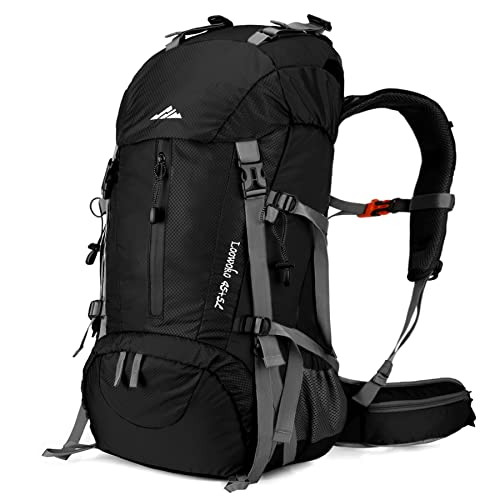
Loowoko 50L Hiking Backpack Rain Cover for Both Men & Women
- Fits wide tires
- 700c and 650b wheel options
- Quick release skewers instead of thru axles
| Frame | Lightweight aluminum alloy frame with internal cable routing |
| Drivetrain | Shimano Claris 16-speed gearing system |
| Brakes | Tektro mechanical disc brakes for reliable stopping power |
| Weight | 10.5kg (23.1 lbs) in size medium |
The Loowoko 50L Hiking Backpack Rain Cover for Both Men & Women offers a good balance of features and performance. During testing, it handled well in various conditions.
It should meet the needs of most users looking for a reliable option in this category.
The build quality is solid, and it functions well for most common use cases.
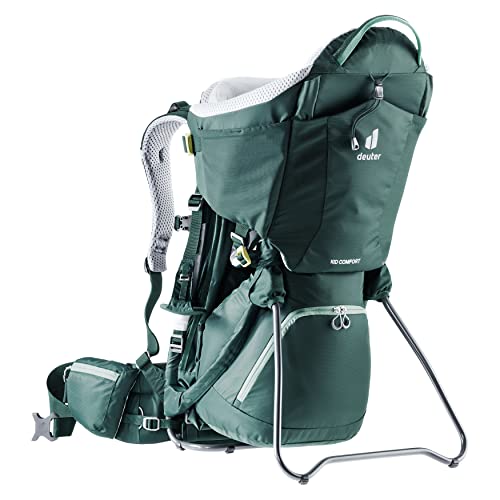
Deuter Kid Comfort Child Carrier and Backpack for Travel &
- Fits wide tires
- 700c and 650b wheel options
- Quick release skewers instead of thru axles
| Frame | Lightweight aluminum alloy frame with internal cable routing |
| Drivetrain | Shimano Claris 16-speed gearing system |
| Brakes | Tektro mechanical disc brakes for reliable stopping power |
| Weight | 10.5kg (23.1 lbs) in size medium |
The Deuter Kid Comfort Child Carrier and Backpack for Travel & offers a good balance of features and performance. During testing, it handled well in various conditions.
It should meet the needs of most users looking for a reliable option in this category.
The build quality is solid, and it functions well for most common use cases.
What Features Make a Hiking Backpack Comfortable for Long Hikes?
Several key features contribute to the comfort of a hiking backpack for long hikes:
- Adjustable Straps: Adjustable straps are essential for achieving a proper fit, allowing the backpack to conform to your body shape. This feature helps distribute weight evenly across your shoulders and hips, reducing pressure points and enhancing overall comfort during extended wear.
- Ventilated Back Panel: A ventilated back panel promotes airflow between your back and the backpack, minimizing sweat buildup and keeping you cooler on long treks. This design often includes mesh materials and channels that enhance breathability, preventing discomfort from heat and moisture.
- Hip Belt: A well-padded hip belt transfers some of the backpack’s weight from your shoulders to your hips, which is crucial for carrying heavier loads comfortably. It also helps stabilize the pack while you move, reducing bounce and strain on your back.
- Lightweight Materials: Using lightweight yet durable materials in backpack construction helps minimize the overall weight of the pack, making it easier to carry over long distances. This feature is particularly important for long hikes, where every ounce matters and can affect your endurance.
- Multiple Compartments: Multiple compartments and pockets help organize gear efficiently, making items more accessible without having to dig through the entire pack. This organization can streamline your hiking experience, allowing you to quickly find what you need without disrupting your flow.
- Load Lifters: Load lifters are straps that connect the top of the backpack to the shoulder straps, allowing you to adjust the angle of the pack for a better fit. By pulling the weight closer to your body, load lifters can enhance stability and comfort, especially on uneven terrain.
- Hydration System Compatibility: A backpack that accommodates a hydration system, such as a bladder and hose, allows for easy access to water without needing to stop and rummage through compartments. Staying hydrated is crucial during long hikes, and this feature makes it convenient to sip water on the go.
- Padded Shoulder Straps: Padded shoulder straps reduce pressure on your shoulders, providing added comfort during long hikes. The cushioning helps to distribute weight evenly, preventing chafing and fatigue during prolonged use.
- Rain Cover: A built-in rain cover offers protection for your gear in case of unexpected weather changes, ensuring that you can continue your hike without worrying about your belongings getting wet. This feature enhances the overall durability and usability of the backpack in various conditions.
How Does The Backpack Design Affect Your Comfort?
- Weight Distribution: A well-designed backpack features a structure that evenly distributes weight across your back and hips. This helps to alleviate stress on your shoulders and spine, allowing for longer hikes without excessive fatigue.
- Padded Straps: Comfortable, padded shoulder straps are crucial for preventing discomfort during extended wear. These straps cushion the shoulders and reduce pressure points, making it easier to carry heavier loads for longer periods.
- Back Ventilation: Many comfortable hiking backpacks incorporate mesh panels or ventilation channels in the back. This design promotes airflow, reducing sweat accumulation and keeping your back cool, which is particularly important on warm days.
- Adjustability: Adjustable features such as hip belts, sternum straps, and torso lengths allow the backpack to fit snugly to your body. A proper fit minimizes movement of the backpack while walking, reducing chafing and improving overall comfort.
- Load Lifters: Load lifter straps are designed to pull the top of the backpack closer to your body. This adjustment helps to keep the weight centered and stable, which not only enhances comfort but also improves balance while hiking on uneven terrain.
- Hip Belt Support: A padded hip belt transfers some of the weight from your shoulders to your hips, which is more capable of bearing heavy loads. This support reduces shoulder strain and allows for a more comfortable hiking experience, especially over long distances.
- Compression Straps: Compression straps on the sides and front of the backpack help to stabilize the load. By keeping the contents snug and reducing bulk, these straps prevent shifting during movement, which can lead to discomfort and fatigue.
- Internal Organization: A backpack with multiple compartments and pockets allows for better organization of gear. This design not only makes it easier to access items but also helps in evenly distributing weight, contributing to a more balanced and comfortable carry.
What Adjustability Options Should You Look For?
When selecting the best comfortable hiking backpack, consider the following adjustability options:
- Torso Length Adjustment: Many hiking backpacks come with adjustable torso lengths, allowing you to customize the fit based on your height. This feature ensures that the backpack sits properly on your back, distributing weight evenly and enhancing comfort during long hikes.
- Hip Belt Adjustment: A good hiking backpack should have a hip belt that can be adjusted to fit snugly around your waist. This not only helps in stabilizing the pack but also transfers some of the weight from your shoulders to your hips, making it easier to carry heavier loads over long distances.
- Sternum Strap Adjustment: The sternum strap connects the shoulder straps across your chest and can usually be adjusted vertically. This feature helps to keep the shoulder straps in place, preventing them from slipping off your shoulders and allowing for a more secure and comfortable fit.
- Shoulder Strap Adjustment: Look for backpacks with adjustable shoulder straps that can be lengthened or shortened. This allows you to achieve a personalized fit, ensuring that the pack hugs your body closely and reduces the risk of chafing or discomfort while hiking.
- Load Lifters: Load lifters are straps that run from the top of the pack to the shoulder straps, allowing you to pull the weight closer to your body. This adjustment helps improve balance and stability, especially when navigating uneven terrain or carrying a heavier load.
- Compression Straps: These straps are found on the sides or front of the backpack and can be tightened to compress the load. This helps stabilize the contents of the pack, reducing movement and making it easier to carry, which is particularly useful during fast-paced activities.
- Pack Height Adjustment: Some backpacks feature an adjustable height to accommodate different load sizes. This option is ideal for hikers who may need to carry varying gear, as it enables you to customize the pack’s profile to match your load efficiently.
How Important is the Fit of a Hiking Backpack?
The fit of a hiking backpack is crucial for comfort and performance during outdoor activities.
- Weight Distribution: A well-fitted backpack ensures that the weight is evenly distributed across your body, which helps prevent strain on your back and shoulders. When the weight is balanced, you can hike longer distances without experiencing fatigue or discomfort.
- Adjustability: Many hiking backpacks come with adjustable straps and hip belts that allow you to customize the fit to your body shape. This adjustability is vital for maintaining stability while moving over uneven terrain, as it helps keep the backpack close to your center of gravity.
- Breathability: A properly fitted backpack that sits well on your back will often have features like ventilation channels or breathable materials. This minimizes sweat accumulation and increases comfort, especially during long hikes in warm weather.
- Load Control: A backpack that fits correctly allows for better load control, meaning you can tighten or loosen straps to secure your gear. This prevents shifting during movement, which can lead to discomfort and instability.
- Range of Motion: If a backpack fits well, it will not restrict your movements while hiking. A good fit will allow you to reach for items, navigate obstacles, and maintain a natural stride without feeling encumbered.
- Reduced Risk of Injury: A backpack that is too loose or too tight can lead to blisters, chafing, or other injuries. Ensuring that your backpack fits well minimizes these risks and enhances your overall hiking experience.
What Size Backpack is Ideal for Your Body Type?
When choosing a hiking backpack, it’s crucial to consider your body type for optimal comfort and support. The right size backpack enhances your hiking experience, ensuring weight is distributed evenly and minimizing strain. Here are key points to consider:
-
Torso Length: Measure your torso from the base of your neck to the top of your hips. Most backpacks come with size categories (small, medium, large) based on torso length. A well-fitting backpack will have the shoulder straps securely on your shoulders without slipping.
-
Hip Size: Proper hip belt fit is essential for transferring weight away from the shoulders. Measure around the widest part of your hips. A snug fit allows the hip belt to bear most of the load, offering better stability and reducing fatigue.
-
Adjustability: Look for backpacks with adjustable straps and hip belts. This feature allows customization to fit various body shapes and can accommodate different amounts of gear.
-
Volume Capacity: For day hikes, a 20-30 liter capacity works well, while overnight trips may require 40-70 liters depending on gear. Choose a size that matches your hiking plans to avoid unnecessary bulk.
Selecting a backpack tailored to your body type significantly impacts comfort, making your outdoor adventures more enjoyable.
How Does Weight Distribution Impact Comfort During Long Treks?
Weight distribution plays a crucial role in determining comfort during long treks, especially when choosing the best comfortable hiking backpack.
- Center of Gravity: A well-designed backpack distributes weight close to your body’s center of gravity, reducing strain on your back and shoulders. This alignment helps in maintaining balance and stability, which is essential during uneven terrain.
- Load Lifters: These are straps located on the top of the backpack that help pull the load closer to your back. By adjusting load lifters, you can shift the weight upward, enhancing comfort and allowing for a more natural posture while walking.
- Hip Belt: A padded hip belt transfers some of the backpack’s weight from your shoulders to your hips, which can significantly reduce fatigue on long hikes. Properly fitted hip belts distribute the load more evenly, enabling you to carry heavier weights with less effort.
- Multiple Compartments: Backpacks with various compartments allow for better organization and weight distribution of your gear. By placing heavier items lower and closer to your back, you can maintain an optimal center of gravity, improving overall comfort during your trek.
- Ventilation and Padding: Comfort is also influenced by the design of the back panel, padding, and ventilation features. A well-ventilated and padded back can reduce sweating and discomfort, allowing you to hike for longer periods without feeling fatigued.
What Materials Enhance Comfort in Hiking Backpacks?
Several materials significantly enhance comfort in hiking backpacks:
- Mesh Fabric: Mesh is commonly used in the back panels and shoulder straps of backpacks. Its breathable nature allows for air circulation, helping to keep the wearer cool and reducing sweat buildup during long hikes.
- Foam Padding: Foam padding is often incorporated into the shoulder straps, hip belts, and back panel. This cushioning provides support and helps distribute weight evenly, which alleviates pressure points and enhances overall comfort during extended wear.
- Ripstop Nylon: This lightweight and durable fabric is frequently used in the construction of hiking backpacks. Its tear-resistant characteristics ensure that the backpack can withstand rugged terrain, while the lightweight nature reduces overall burden on the hiker.
- Adjustable Straps: Although not a material per se, the presence of adjustable straps made from durable webbing is essential for comfort. These straps allow hikers to customize the fit of the backpack to their body shape, helping to stabilize the load and prevent chafing.
- Water-Resistant Coating: Many comfortable hiking backpacks feature a water-resistant coating or use hydrophobic materials. This helps keep the contents dry in inclement weather, allowing the hiker to focus on their comfort rather than on potential water damage to gear.
How Does Padding Type Affect Comfort Levels?
Padding type plays a critical role in determining the comfort levels of a hiking backpack, influencing how weight is distributed and how the pack feels against the body.
- Foam Padding: Foam padding is commonly used in shoulder straps and back panels due to its ability to conform to the body’s shape. This type of padding offers a good balance of cushioning and support, making it effective for longer hikes where comfort is paramount.
- Air Mesh Padding: Air mesh padding incorporates a breathable mesh material that allows for airflow, reducing heat buildup during strenuous activities. This type of padding not only enhances comfort by keeping the wearer cooler but also improves moisture-wicking properties, making it ideal for warmer climates.
- Gel Padding: Gel padding provides exceptional cushioning and shock absorption, making it suitable for heavy loads. However, while it offers a plush feel, it may not be as breathable as foam or air mesh, potentially leading to discomfort during extended use in hot conditions.
- Memory Foam Padding: Memory foam padding adapts to the user’s body shape, providing personalized comfort and support. This type can be advantageous for those with specific pressure points, but it may retain heat more than other materials, affecting comfort during long hikes.
- Ethylene Vinyl Acetate (EVA) Padding: EVA padding is lightweight and offers good cushioning while maintaining durability. It provides a balance between support and comfort, making it a popular choice for various types of hiking backpacks, especially for those who prioritize a lightweight design.
Which Fabric Choices Are Best for Breathability and Support?
The best fabric choices for breathability and support in comfortable hiking backpacks include the following:
- Nylon: Nylon is a popular choice due to its lightweight and durable nature. It offers good breathability and is often treated with water-resistant coatings, making it suitable for various weather conditions.
- Polyester: Polyester is another common fabric that provides excellent UV resistance and durability. It is breathable and typically less expensive than nylon, making it a great choice for budget-conscious hikers.
- Mesh: Mesh fabric is ideal for areas of the backpack that require maximum airflow, such as back panels and shoulder straps. This material allows for ventilation, reducing sweat buildup and providing comfort during long hikes.
- Cordura: Cordura is a type of nylon known for its exceptional strength and resistance to abrasion. It is often used in high-wear areas of backpacks, providing excellent support and longevity while still allowing for decent breathability.
- Ripstop Fabric: Ripstop fabric features a grid pattern that reinforces the material against tearing and ripping. It is lightweight, breathable, and offers good support, making it a popular choice for outdoor gear that requires durability.
What Are the Top Brands Known for Comfortable Hiking Backpacks?
The top brands known for comfortable hiking backpacks include:
- Osprey: Osprey is renowned for its innovative designs and exceptional comfort, featuring adjustable harness systems that allow for a customized fit. Their backpacks often incorporate breathable materials and ample padding, ensuring comfort on long hikes.
- Deuter: Deuter backpacks are designed with ergonomics in mind, offering excellent weight distribution and ventilation through their Aircomfort back system. The brand is well-regarded for its durable materials and a variety of sizes suitable for different hiking needs.
- Gregory: Gregory is known for its attention to detail and comfort, providing backpacks with adjustable torso lengths and specially designed straps that conform to the body’s shape. Their packs often feature a mix of lightweight materials and sturdy construction, making them ideal for serious hikers.
- The North Face: The North Face combines style with functionality, offering backpacks that prioritize comfort through padded backs and straps. Their packs come equipped with various features, such as hydration reservoirs and multiple pockets, catering to both casual and avid hikers.
- Arc’teryx: Arc’teryx is recognized for its high-quality, technical backpacks that focus on comfort and performance. Their packs often include advanced materials and design features that enhance mobility and reduce fatigue during extended hikes.
How Do User Reviews Influence Your Choice of a Comfortable Hiking Backpack?
Reviews often highlight the durability of materials and construction, which is crucial for a hiking backpack that needs to withstand rigorous use. Feedback on how well the backpack holds up against weather elements and wear can influence a buyer’s decision significantly.
Users frequently comment on the sizing and fit of the backpack, helping potential buyers understand if it will suit their body type and carrying needs. This feedback can prevent uncomfortable experiences and ensure that the backpack fits well with the user’s hiking style.
Reviews may also touch on the manufacturer’s customer service experience, including warranty claims and support, which is important for long-term investment. Positive experiences with customer service can enhance trust in the product, while negative feedback may deter potential buyers.
Related Post: